
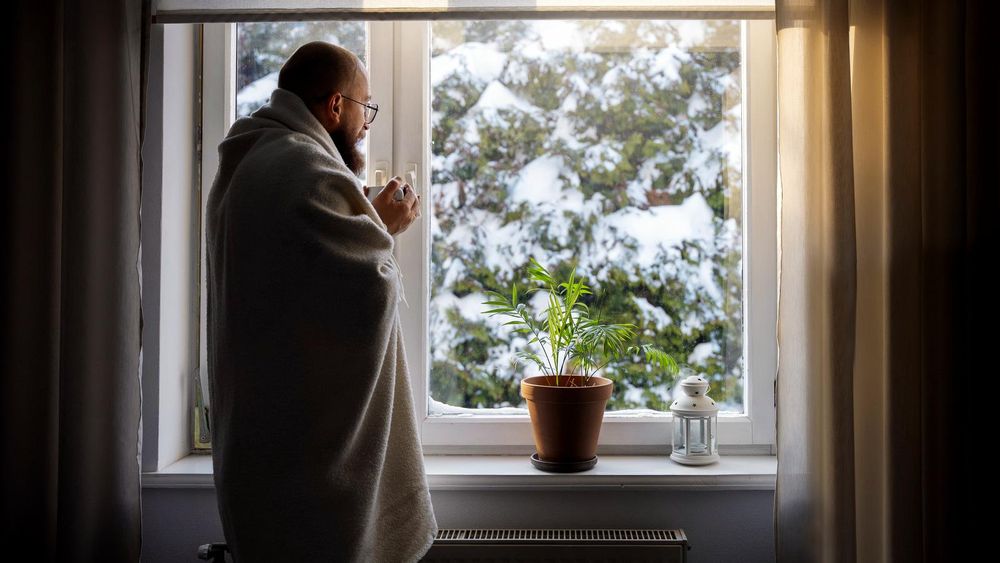
As the chill of winter settles over South Africa, many families prepare for the inevitable spike in their heating expenses. While it’s easy to focus on the obvious costs associated with heating—like electricity bills, gas refills, or the purchase of heaters—there are often hidden expenses lurking in our homes that can significantly inflate our winter energy costs. Surprisingly, households might be losing out on over R1,200 a month without even realizing it.
Understanding the Hidden Costs
When we think about heating our homes, the immediate concerns tend to revolve around the direct costs of the heating appliances we use. However, a deeper dive reveals that many of the expenses tied to keeping warm in winter stem from inefficiencies and habits that are often overlooked. Recent analyses of a standard three-bedroom, 150m² home have shown that common sources of heat loss can lead to a staggering increase in energy bills.
Let’s break down what these hidden costs look like. For instance, many households may be heating rooms that go unused, such as spare bedrooms or home offices. A typical 400W panel heater running for eight hours each night in a room that remains unoccupied can rack up monthly charges of around R307. Similarly, a home office heater that’s left running for an additional four hours a day can contribute an extra R154 to your electricity expenses. Combined, these two scenarios alone can inflate a household’s winter heating costs by more than R460.
Another factor that exacerbates heating costs in modern South African homes is the trend towards open-plan layouts. While these designs promote spaciousness and natural light, they also create larger areas that require heating. For example, a 2kW oil heater in a 30m² lounge may need to work for longer periods if doors are opened to adjoining spaces, potentially increasing the area that needs to be heated to as much as 50m². This could lead to an additional R384 in electricity costs if the heater runs for just a couple of extra hours a day.
Key Points to Consider
1. **Unused Spaces**: Assess your home for rooms that aren’t frequently used and consider whether it’s necessary to heat them.
2. **Open-Plan Implications**: If you have an open-plan design, be mindful of how heat is distributed throughout the space and how that affects your heating strategy.
3. **Heating Efficiency**: Opt for energy-efficient heating solutions and be conscious of how long and how often you run these appliances.
4. **Window Insulation**: Pay attention to heat loss through windows, which can be a significant source of energy waste during winter months.
Insights for Traders and Investors
For those involved in real estate or energy sectors, understanding these hidden costs can provide valuable insights into consumer behavior and market demand. As more people become aware of their winter heating expenses, there may be an increased demand for energy-efficient products and services. Investing in home improvement solutions that focus on insulation, energy-efficient heating systems, and smart home technologies could yield significant returns.
Moreover, real estate investors should consider how the design of homes impacts energy costs. Properties that are designed with energy efficiency in mind may have higher resale values and attract more environmentally-conscious buyers.
Conclusion
As winter grips South Africa, it is crucial for homeowners to recognize the often-ignored factors contributing to their heating expenses. By addressing inefficiencies and being mindful of energy use, households can significantly reduce their winter heating costs. Understanding these dynamics not only helps individual families save money, but it also opens up opportunities for investors and businesses focused on energy efficiency. Whether you’re a homeowner looking to cut costs or an investor eyeing the market, the key takeaway is clear: it pays to be aware of the hidden costs associated with winter heating and to take proactive steps toward greater efficiency.