
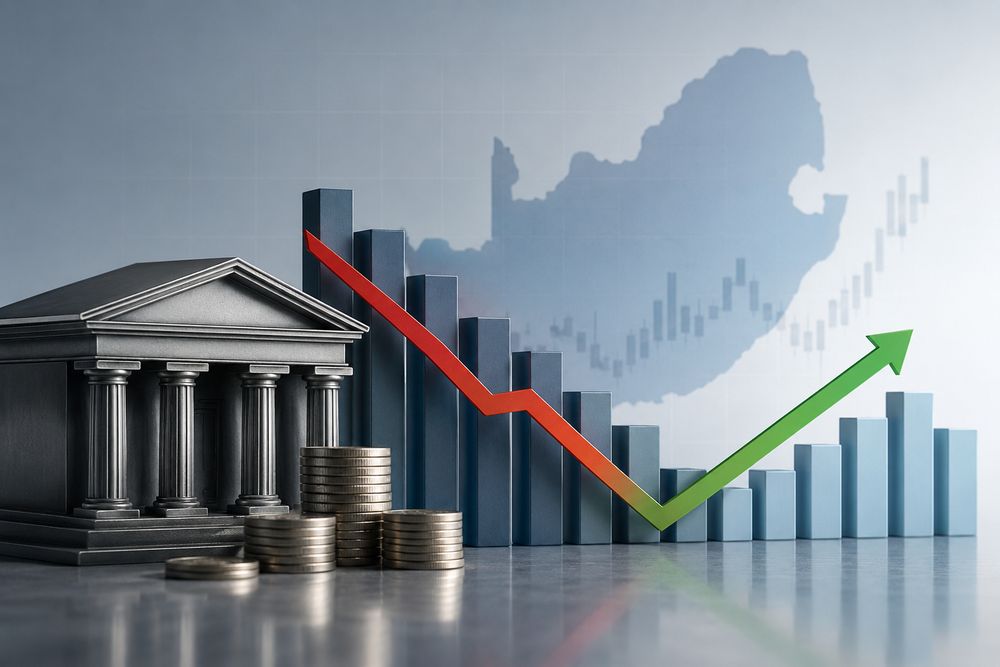
In the wake of a turbulent economic landscape, South Africa’s credit market is showing signs of recovery, with several indicators suggesting a positive shift. As the nation’s largest banks report improvements in lending conditions, it is crucial to delve deeper into the factors driving this change and what it means for consumers and investors alike. This blog post will explore the recent findings from BDO’s latest Tier 1 Banking Report, highlighting key trends in credit loss ratios, consumer debt, and the overall outlook for the South African financial sector.
Recent reports indicate that South Africa’s credit market is experiencing a much-needed turnaround after a period of uncertainty. According to BDO South Africa’s Tier 1 Banking Report, there has been a noticeable improvement in credit conditions, attributed largely to conservative lending practices and enhanced risk management strategies. The report indicates that non-performing loans, which had surged during the second half of 2024, have now stabilized, leading to a reduction in credit loss ratios. Kevin Hoff, the director of BDO South Africa and the lead for banking sector financial services, emphasized that the credit cycle has definitively turned, suggesting a more favorable environment for both lenders and borrowers.
One of the primary factors contributing to this positive trend is the easing of inflationary pressures and the recent initiation of interest rate cuts. As inflation cools, consumers find themselves in a better position to service their debts, which subsequently lowers credit costs and opens the door for increased lending. The report indicates that credit loss ratios are trending toward the lower end of historical averages, thanks to improved risk modeling and proactive debt collection strategies. These measures have effectively curtailed the migration of loans into non-performing status, underscoring the importance of a disciplined approach to lending.
Key takeaways from the BDO report reveal several encouraging signs for the South African credit landscape. For instance, Experian’s Consumer Default Index has shown a year-on-year improvement, dropping from 4.04 to 3.68 between December 2024 and December 2025. Home loan defaults have decreased by 20%, while vehicle finance defaults have improved by 12%. These statistics indicate that consumers, particularly those in the mid to high-income brackets, are starting to recover from the financial strain that characterized previous years. This recovery is particularly significant for high-end credit products, which had seen a marked increase in defaults.
However, while these figures paint a picture of improvement, it is essential to note the underlying challenges that remain. DebtBusters, a company specializing in debt management, reported that consumers seeking debt counseling in early 2026 required 64% of their take-home pay to manage their debts, down from a peak of 73% in 2021. This reduction is encouraging, yet it highlights that a substantial portion of disposable income is still tied up in debt service, leaving little room for savings or investment. Additionally, the average number of credit agreements per applicant has reached its highest level since 2017, indicating that consumers are increasingly reliant on credit to manage their financial commitments.
The Eighty20/XDS Credit Stress Report further illustrates the complexities of the current landscape, revealing that overdue debt increased by 13.9% year-on-year. This rise is primarily driven by growing arrears on credit cards, vehicle finance, and personal loans, with 35% of loans reported to be in arrears during the quarter. Despite the positive shifts in credit loss ratios and defaults, the report warns that external factors, such as geopolitical tensions like the ongoing conflict in the Middle East, could hinder the optimistic outlook for the credit market.
For traders and investors, the current state of South Africa’s credit market presents both opportunities and risks. On one hand, improved credit conditions can lead to increased lending activity, potentially benefiting banks and financial institutions. On the other hand, the lingering high levels of consumer debt and the potential for economic shocks necessitate a cautious approach when evaluating investments in the financial sector.
In conclusion, South Africa’s credit market is indeed witnessing a resurgence, marked by improved loan performance and a decrease in credit loss ratios. While the data suggests a positive trend, it is essential for consumers and investors to remain vigilant. The interplay of various economic factors, including inflation rates and global events, will undoubtedly shape the future of lending and borrowing in the country. As we move forward, maintaining a balanced perspective on both the opportunities and the challenges ahead will be crucial for navigating this evolving financial landscape.