
As winter descends, many households face the annual dilemma of rising energy costs associated with heating their homes. With plunging temperatures, the threat of exorbitant electricity bills becomes a reality for countless families. However, a closer examination of heating options reveals that many may be misattributing their increased costs to electric blankets, when in fact, the real culprits may be larger, more energy-intensive appliances.
Electric blankets are often the first suspects when chilly nights lead to unexpected spikes in utility bills. Yet, the financial impact of using these cozy devices may not be as daunting as many believe. To illustrate this point, let’s delve deeper into the costs associated with different heating appliances and how they can significantly influence our monthly energy expenses.
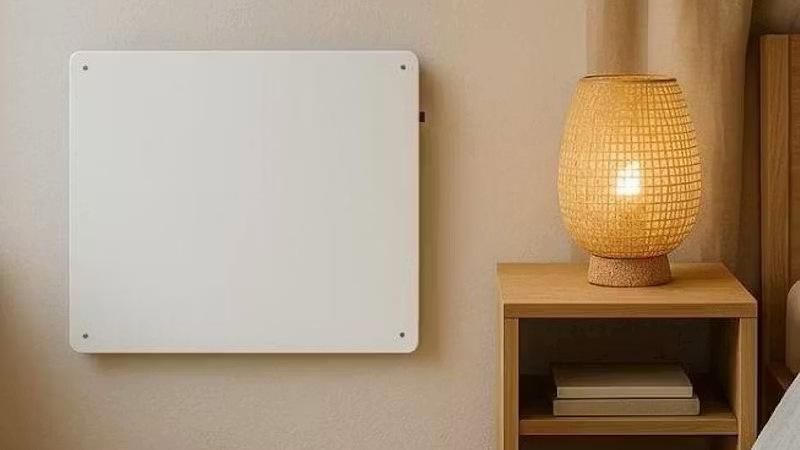
A typical electric blanket uses about R21 per month if operated for just two hours each night. For a household utilizing three electric blankets, the monthly total only amounts to R63, which is comparatively minimal. In stark contrast, the cost of running a single 400W wall-panel heater non-stop can skyrocket to around R1,000 each month. When multiple heaters are involved, particularly in larger homes with several rooms, the financial burden amplifies rapidly. For instance, if a family employs four of these heaters—one in each bedroom and another in a living area—the total could easily reach R4,000 monthly.
Additionally, households that incorporate supplementary heating devices, such as an 800W fan heater used for four hours daily, could find their overall heating expenses exceeding R4,400. This alarming figure highlights the importance of understanding the true cost of heating choices, especially during the coldest months of the year.
In Johannesburg, for example, the pricing structure for residential prepaid electricity is tiered. The first 350 kilowatt-hours (kWh) consumed each month are charged at R2.6645 per kWh, followed by R3.0564 for the next 150 units, and R3.4826 for any units beyond 500 kWh. This progressive pricing system means that as electricity usage increases, households quickly transition into higher tariff brackets, resulting in even steeper costs. Therefore, a family that spends around R4,400 on heating could find a significant portion of their electricity consumption falling into the most expensive tariff category.
The situation is not limited to Johannesburg; it reflects a broader trend across South Africa, where over 85% of municipalities utilize block or step tariffs. This means that as usage rises, so do the costs, creating a scenario where households that rely heavily on heating appliances can face sky-high bills.
Moreover, for residents living in sectional-title complexes or estates, the situation may be exacerbated by additional fees imposed by private metering companies. These may include fixed charges or percentage-based administration fees that can further inflate monthly electricity expenses. Consequently, what starts as a cold-weather necessity can evolve into an overwhelming financial strain for families.
Key takeaways from this analysis suggest that while electric blankets are often blamed for rising winter heating costs, they are, in fact, among the least expensive options available. The real challenge lies in understanding the costs associated with larger heating appliances and the pricing structures that govern electricity consumption.
For traders and investors, this information could influence decisions in the energy sector. Understanding consumer behavior regarding heating choices can lead to smarter investments in energy-efficient technologies and sustainable heating solutions. Companies focusing on developing innovative heating products or energy management systems may find a growing market as consumers seek to mitigate their winter energy costs.
In conclusion, as temperatures drop and the demand for heating solutions rises, households must remain vigilant about understanding the true costs of their choices. Electric blankets, often unfairly accused of driving up bills, are actually a cost-effective means of staying warm. In contrast, larger heating appliances, with their higher energy consumption and progressive pricing structures, are the real culprits behind soaring winter electricity costs. By being informed and strategic about heating methods, families can not only stay cozy during the cold months but also protect their budgets from unnecessary strain.