
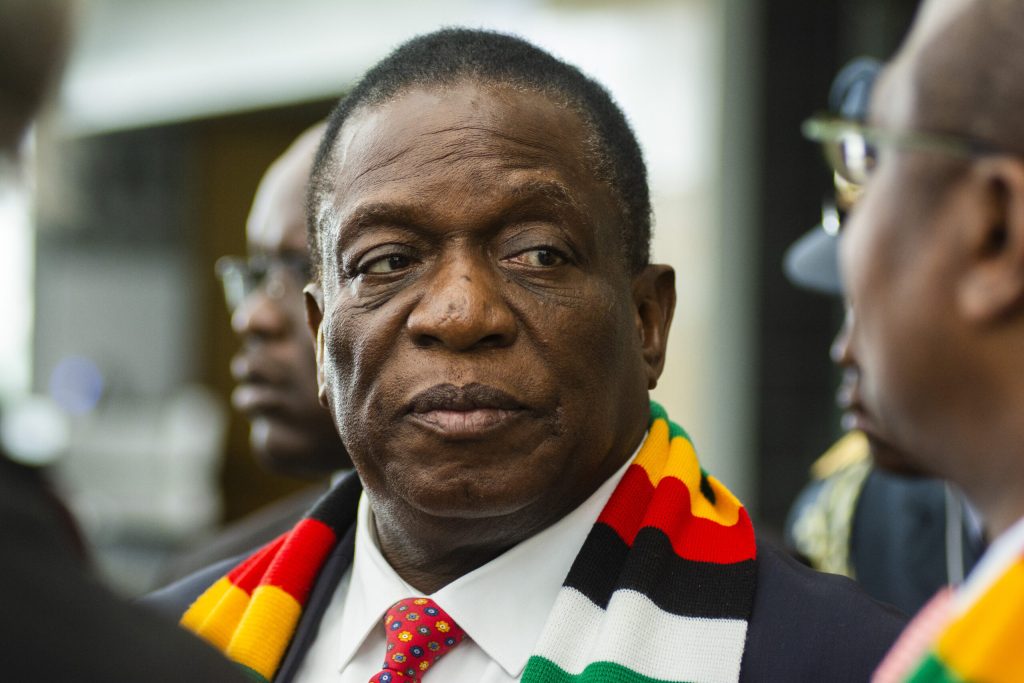
In a significant political development, Zimbabwe’s president has recently signed a constitutional amendment that will extend his presidency by an additional two years. This alteration to the country’s constitution, announced through an official Government Gazette, has stirred both domestic and international reactions. The decision follows a parliamentary vote that took place last month, reflecting the legislative body’s support for the extension of President Emmerson Mnangagwa’s rule. Since assuming office in 2017 after the ousting of long-standing leader Robert Mugabe, Mnangagwa’s current term was originally set to conclude in 2028. This amendment raises crucial questions about the future political landscape in Zimbabwe, as well as its implications for the economy and investment opportunities.
Understanding the Context of the Constitutional Amendment
To fully appreciate the ramifications of this constitutional change, it is essential to understand the political backdrop of Zimbabwe. The nation’s governance has been fraught with challenges, including economic instability, corruption, and widespread public dissent. Mnangagwa’s ascent to power was initially met with optimism; many hoped for a break from the oppressive regime of Mugabe. However, the subsequent years have seen continued struggles, with issues such as hyperinflation and a lack of sustainable economic policies persisting.
The recent amendment has drawn attention not only for its immediate impact on governance but also for its potential long-term effects. Extending the presidential term raises concerns about democratic principles and the checks and balances that are essential in a healthy political system. Supporters of the amendment argue that a stable government is necessary to navigate economic recovery, while critics fear that it may lead to further entrenchment of power and diminish democratic participation.
Key Points to Consider
1. **Political Stability vs. Democratic Principles**: The extension of the presidential term can be viewed as a double-edged sword. On one hand, it may provide a semblance of stability amid economic turmoil; on the other hand, it could undermine democratic processes and lead to increased disenchantment among the populace.
2. **Investors’ Confidence**: Political uncertainty often translates into economic instability. Investors typically seek environments where governance is predictable and transparent. The extension of Mnangagwa’s rule may either reassure investors about continuity or raise alarms about potential autocratic tendencies, thus influencing investment decisions.
3. **Economic Implications**: Zimbabwe has faced severe economic challenges, including hyperinflation and currency devaluation. The need for urgent reforms remains critical. An extended presidency could either facilitate necessary changes or exacerbate existing issues, depending on the government’s approach to policy-making.
4. **Public Response**: The reaction from the Zimbabwean public will play a significant role in shaping the future political landscape. Discontent could manifest in protests or calls for reform, which would further complicate the investment climate.
Insights for Traders and Investors
For traders and investors looking at Zimbabwe, this constitutional amendment presents a complex landscape of opportunities and risks. Understanding the political environment is crucial when making investment decisions. Here are a few insights:
– **Risk Assessment**: Investors should conduct thorough risk assessments. Political instability can lead to sudden changes in market conditions, affecting sectors such as mining, agriculture, and finance, which are pivotal to Zimbabwe’s economy.
– **Sector Focus**: Certain sectors may benefit from a stable government focused on economic recovery. Investors should identify industries that are likely to thrive under political continuity and stability, such as infrastructure development and renewable energy.
– **Engagement with Local Stakeholders**: Building relationships with local businesses and political figures can provide valuable insights into the evolving landscape. Engaging with stakeholders can also help investors navigate potential pitfalls and seize opportunities.
Conclusion
The recent constitutional amendment in Zimbabwe marks a pivotal moment in the nation’s political journey. While it promises a degree of stability, the implications for democracy and economic recovery are still uncertain. Investors must navigate this complex environment with caution, balancing the potential for opportunity against the backdrop of political risk. As Zimbabwe continues to grapple with its past and strive for a sustainable future, the international community will be watching closely, assessing how this development shapes the country’s trajectory moving forward. Understanding these dynamics will be essential for anyone looking to invest in Zimbabwe’s challenging yet potentially rewarding landscape.