
In the complex world of international relations, the relationship between the United States and Iran has long been fraught with tension. Recently, these tensions have escalated dramatically, raising concerns about the potential for renewed military conflict and its implications for global oil markets. As President Donald Trump signaled the end of a tentative ceasefire with Iran, the ripple effects were felt not only in the political arena but also in the volatile world of energy prices. In this blog post, we will delve into the recent developments in US-Iran relations, the factors leading to renewed hostilities, and what this means for traders and investors watching the energy sector.
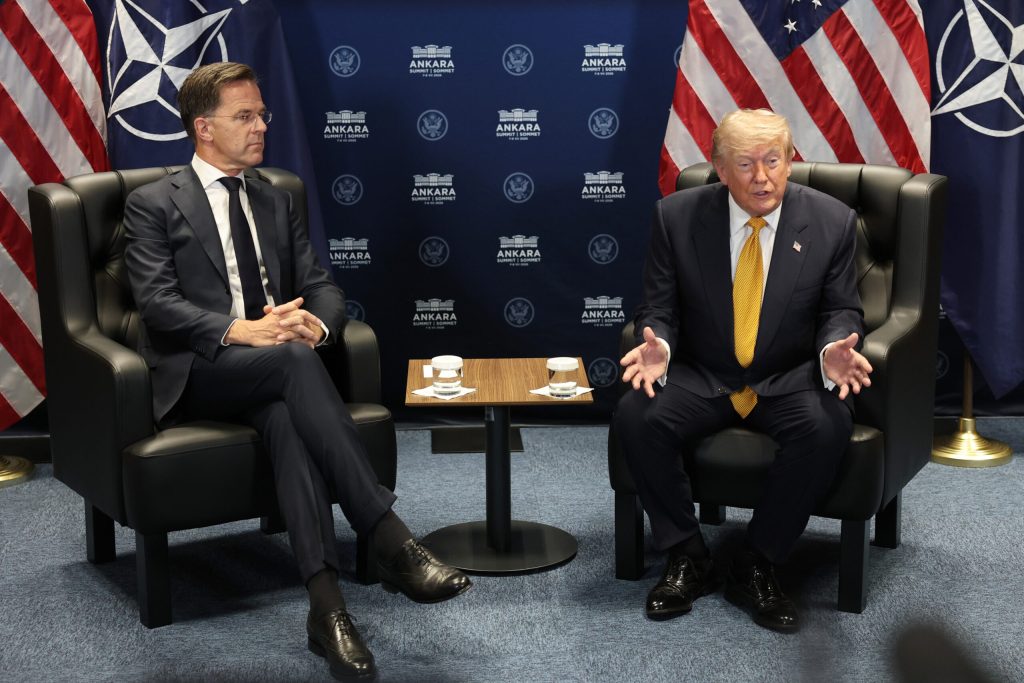
The backdrop of this renewed tension can be traced back to a series of events that have unfolded over the past few months. The US and Iran had previously entered into a tentative ceasefire following a series of military confrontations, but President Trump’s recent comments in Ankara indicated a shift in sentiment. During a NATO summit, he declared the ceasefire “over,” describing negotiations with Iran as a “waste of time.” This abrupt change in tone came shortly after the US launched airstrikes against Iranian targets and revoked a waiver that had allowed Iran to sell its oil, actions that were described as retaliatory measures following attacks on commercial vessels in the strategic Strait of Hormuz.
The Strait of Hormuz is crucial to global energy flows, accounting for a significant percentage of the world’s oil supply. Thus, any instability in this region has far-reaching implications for energy prices. Following the US strikes and the revocation of the oil waiver, oil prices surged, reflecting the market’s immediate reaction to the uncertainty surrounding Iran’s ability to export oil and the potential for further military escalation. The price of oil, which had previously stabilized after peaking near $125 a barrel earlier in the year, saw volatility return, causing concern among traders.
Key points to consider in this unfolding situation include several critical factors that could influence both political outcomes and market dynamics. First, the U.S. administration has made it clear that it holds Iran responsible for the recent attacks on shipping. Conversely, Iran has accused the U.S. of violating agreements that were previously made to ensure peace in the region. The two nations have been at loggerheads over multiple sticking points, including the future of oil transit through Hormuz, the unfreezing of Iranian assets, and Iran’s nuclear ambitions.
Traders and investors must keep a close eye on these developments, as they have the potential to significantly impact oil supply and pricing structures. Given that oil is a global commodity, disruptions in supply can lead to price spikes that affect not only energy markets but also broader economic conditions. Traders should be prepared for increased volatility in oil prices as geopolitical tensions rise or fall, and they should consider hedging strategies to mitigate risk.
Moreover, the ongoing negotiations between the U.S. and Iran, despite President Trump’s pessimistic remarks, suggest that there may still be a pathway to de-escalation. While talks were temporarily suspended due to Iran’s period of mourning for its Supreme Leader, the prospect of future negotiations always looms. It is essential for investors to stay informed about any potential diplomatic breakthroughs that could stabilize the situation and lead to a more secure environment for oil trading.
In conclusion, the relationship between the United States and Iran is at a critical juncture that poses substantial risks and opportunities for traders and investors in the energy sector. The recent escalation of military tensions, coupled with the complexities of negotiating a lasting peace agreement, creates a volatile backdrop that could lead to significant fluctuations in oil prices. As the situation continues to develop, it is crucial for market participants to remain vigilant, adapt their strategies accordingly, and stay informed about the geopolitical landscape that influences the global energy market. Understanding these dynamics will be key to navigating the uncertainties ahead and positioning oneself effectively in the marketplace.