
In the ever-evolving landscape of international relations, few events have the capacity to disrupt global markets quite like military confrontations. Recently, President Donald Trump indicated that the United States may escalate its military actions against Iran, prompting concerns over the potential for a full-scale conflict. This situation not only impacts geopolitical stability but also has significant ramifications for financial markets, particularly in the oil sector. As investors and traders navigate this complex environment, understanding the implications of such tensions becomes paramount.
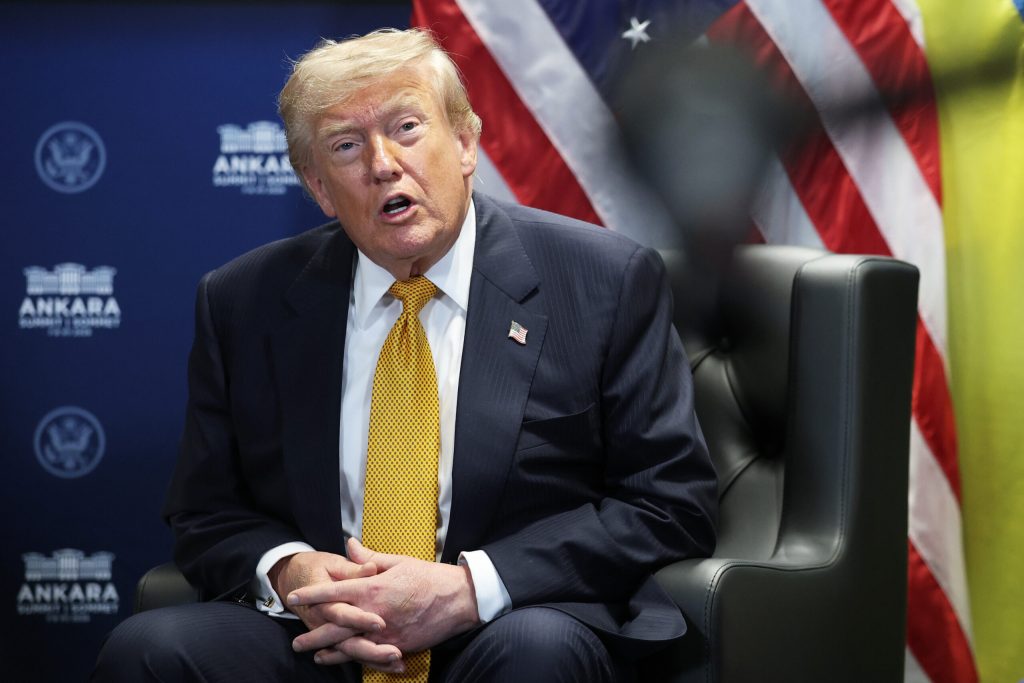
The backdrop to this heightened tension is the ongoing conflict between the US and Iran, which has seen various confrontations escalate in recent weeks. Trump’s comments came during a NATO summit in Ankara, where he confirmed that the US had launched strikes against Iranian targets and revoked a waiver that previously allowed Iran to sell its oil on the international market. The rationale behind these actions was framed as a response to a series of attacks on commercial vessels in the strategically crucial Strait of Hormuz, which the US government attributed to Iranian forces.
The Strait of Hormuz is a vital maritime corridor through which a significant percentage of the world’s oil supply is transported. Any instability in this region can have immediate and far-reaching consequences for global oil prices. In fact, following the announcement of these military actions, oil futures experienced a notable spike, reflecting investor fears of potential supply disruptions. As the situation continues to develop, traders must weigh both the immediate market reactions and the longer-term implications of sustained hostilities.
Key points to consider in this evolving scenario include:
1. **Impact on Oil Prices**: The oil market is particularly sensitive to geopolitical tensions, especially those involving major producers like Iran. Any military actions that threaten the stability of the Strait of Hormuz can lead to increased prices due to concerns over supply shortages. Investors should closely monitor price fluctuations as new developments unfold.
2. **Market Volatility**: The potential for conflict often leads to increased volatility in financial markets. Traders should be prepared for rapid price swings as news breaks regarding military engagements or diplomatic efforts. This volatility can present both risks and opportunities for savvy investors.
3. **Long-Term Economic Consequences**: Sustained military action could have broader economic implications, including disruptions to global trade and potential sanctions on Iranian oil exports. Historically, such actions have led to economic downturns not only in the affected regions but also in countries reliant on oil imports.
4. **Shifts in Investor Sentiment**: The geopolitical climate can significantly influence investor behavior. Uncertainty often drives investors towards safe-haven assets such as gold and US Treasury bonds, while riskier assets may experience sell-offs. Keeping an eye on shifts in investor sentiment can provide valuable insights into market trends.
For traders and investors, the current situation requires a careful assessment of both the risks and opportunities that arise from these geopolitical tensions. Active monitoring of news related to US-Iran relations will be crucial, as the narrative can change rapidly. Additionally, employing risk management strategies, such as setting stop-loss orders and diversifying portfolios, can help mitigate potential losses in a tumultuous environment.
In conclusion, the recent escalation in tensions between the United States and Iran presents a complex landscape for investors and traders alike. With military strikes and the revocation of oil waivers, the situation poses significant risks to geopolitical stability and the global oil market. By understanding the implications of these developments, market participants can make informed decisions and navigate the potential volatility that lies ahead. As the world watches closely, the unfolding events will undoubtedly shape the financial landscape for the foreseeable future.