
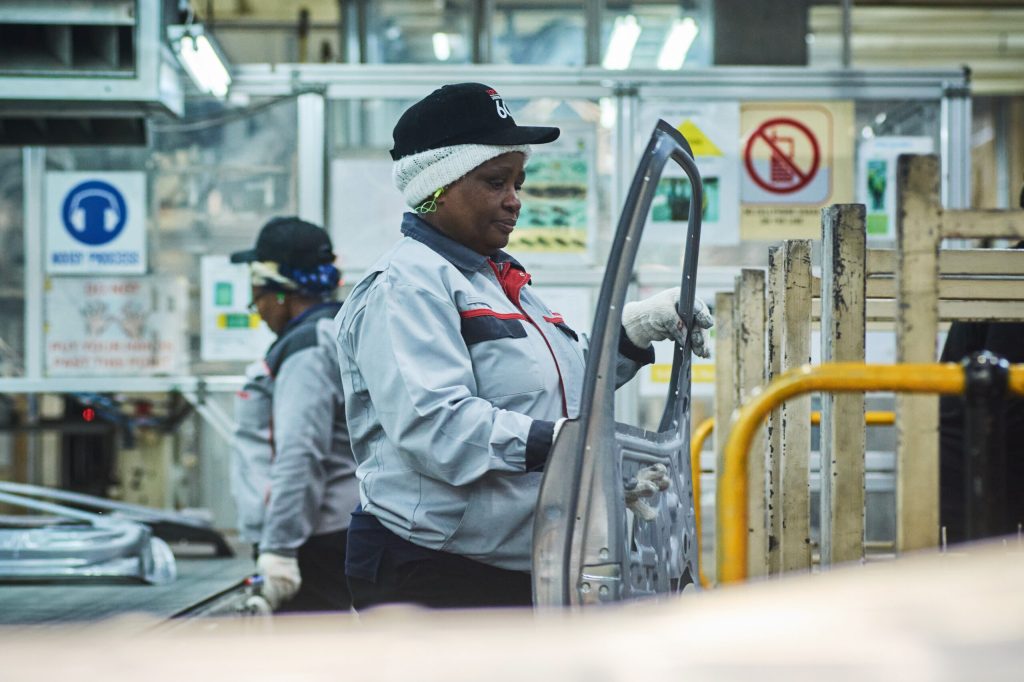
South Africa stands at a pivotal moment in its journey toward economic revitalization and industrialization. The nation is actively seeking to bolster its manufacturing capabilities, particularly in the automotive sector, which has historically played a crucial role in the country’s economy. Recent developments, including the announcement by Chery Group to establish production facilities in South Africa, highlight the importance of this industry. In this blog post, we will delve into the incentives offered by the South African government to attract investment in the automotive sector, examine their implications for economic growth, and provide insights for traders and investors keen on understanding this evolving landscape.
To comprehend the significance of the automotive industry in South Africa, it is essential to recognize its complexity and the potential benefits it brings to the economy. The government’s incentive structure for this sector is designed to stimulate local manufacturing, create jobs, and foster a skilled workforce. The underlying philosophy is that by developing a robust automotive industry, South Africa can enhance its supply chains, reduce dependency on imports, and ultimately create a more self-sufficient economy.
The incentives provided by the South African government are multifaceted, aimed at attracting both domestic and foreign investors. These include import duty relief, direct investment transfers, and various forms of financial support tailored to manufacturers. These incentives are not merely temporary measures; they are part of a broader strategy to transform the automotive landscape in South Africa and develop a sustainable manufacturing base. The goal is to create an environment where local production becomes increasingly viable, reducing the reliance on imported vehicles and components.
However, the reality is that these incentives come at a cost. According to figures released by the National Treasury, the government allocated approximately R42 billion (around $2.8 billion) in support for the automotive industry last year alone. This funding is crucial in maintaining the attractiveness of the sector, but it also raises questions about long-term sustainability and fiscal responsibility. As the government continues to invest heavily in the automotive sector, it must balance these expenditures with broader economic priorities and budgetary constraints.
A key takeaway from this analysis is that while the incentives are designed to stimulate growth and investment, they must also be carefully managed. The original vision behind these incentives was to create a thriving automotive industry that would generate high-quality jobs and foster a skilled labor force. However, the ongoing nature of these subsidies suggests that achieving this vision has been more challenging than initially anticipated. The government needs to assess whether the benefits derived from these incentives align with the financial commitments made to support them.
From a trader or investor perspective, understanding the dynamics of the South African automotive sector is crucial. The influx of companies like Chery Group indicates a growing interest in local manufacturing, which could lead to a more competitive market. This development may present opportunities for investment in related sectors, such as logistics, supply chains, and skilled labor training programs.
Moreover, as the automotive sector evolves, investors should keep an eye on consumer trends, particularly the shift toward electric vehicles (EVs) and new energy vehicles (NEVs). The South African government has shown a commitment to supporting this transition, which could lead to significant growth in the market for EVs. Investors who position themselves strategically in anticipation of these trends may reap substantial rewards as the industry transforms.
In conclusion, South Africa’s journey toward industrialization and economic growth hinges on the success of its automotive sector. The government’s incentive structure plays a crucial role in attracting investment, fostering local production, and creating jobs. However, the sustainability of these incentives remains a concern, requiring careful management and strategic planning. For traders and investors, the evolving landscape presents both challenges and opportunities, particularly as the market shifts toward more sustainable vehicle options. As South Africa continues to navigate its economic path, the automotive industry will undoubtedly be at the forefront of this transformation.