
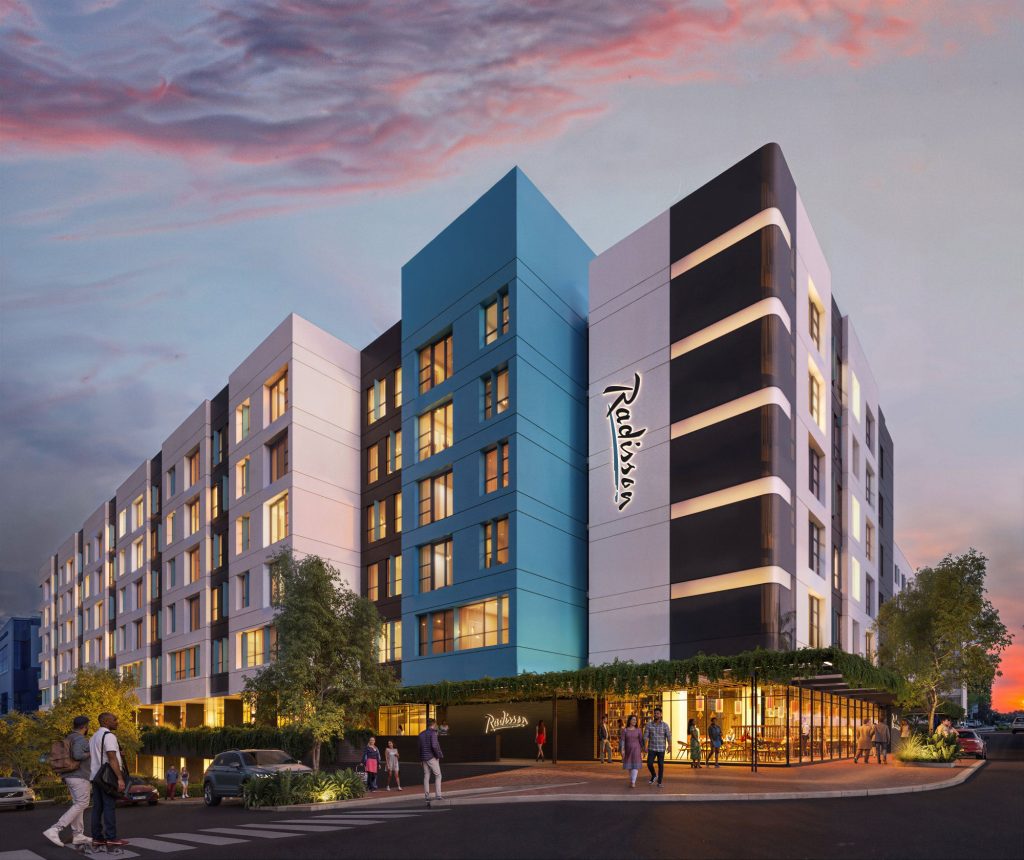
In the fast-evolving landscape of global hospitality, trends often shift, creating new opportunities for both investors and travelers. One of the most promising developments comes from the Radisson Hotel Group, which has identified KwaZulu-Natal (KZN) as the next frontier for serviced apartments in South Africa. With the hospitality industry in the region poised for substantial growth, Radisson’s recent commitment to the R750 million Radisson Serviced Apartments Umhlanga project signals a significant move that could reshape the market.
As one of the largest hospitality groups in the world, Radisson operates over 1,500 hotels across 100 countries, emphasizing its capacity to impact the local economy wherever it establishes a presence. The launch of the Radisson Serviced Apartments in Umhlanga is not just another project; it is a strategic endeavor to capitalize on a burgeoning segment of the market that has gained momentum in recent years. This blog post will explore the implications of this development, the appeal of serviced apartments, and what investors and traders can glean from this emerging trend.
The serviced apartment sector is swiftly becoming one of the most dynamic aspects of the hospitality industry. Unlike traditional hotels, serviced apartments offer a unique blend of home-like comfort and hotel-like amenities, making them attractive to a diverse clientele. They cater to various groups, including long-stay corporate guests, relocating professionals, families on holiday, and even the growing number of digital nomads. This versatility positions serviced apartments as a vital player within the hospitality landscape, especially as travel patterns continue to evolve.
The Radisson Serviced Apartments Umhlanga will comprise 183 units, with a mix of studio apartments starting at R1.75 million for a 29m² space and R2.41 million for a larger, 39m² one-bedroom unit. These units are structured as sectional title properties, an attractive feature for potential investors because they will incur no transfer duty upon acquisition. The development aims to offer an expected average yield of 12.7% by year five, making it a compelling opportunity for investors looking to capitalize on the growing demand for serviced accommodations.
The momentum building around KZN’s hospitality sector is undeniable, with several prominent players announcing significant projects in the area. Notable developments from brands such as Club Med, Southern Sun, and Radisson Blu point toward a burgeoning hub for tourism and hospitality in South Africa. This trend is further underscored by the strategic location of the Radisson Serviced Apartments near the Gateway Theatre of Shopping, ensuring accessibility to a wide array of amenities for residents and visitors alike.
The partnership between Avoca Developments and Radisson Hotel Group is a testament to the strategic foresight of both entities. Chris Horn, director of Avoca, highlights their familiarity with the KZN market, citing a previous successful launch of 230 residential units in the region. The current project aligns with the increasing demand for serviced apartments witnessed in other parts of the country, particularly in Cape Town and the Western Cape. This insight reinforces the notion that KZN is not only an emerging destination but also a strategic investment opportunity.
Andrew McLachlan, the appointed hotel development advisor for the project, brings over 35 years of hospitality experience to the table. His insights into the serviced apartment sector illuminate the potential of this market. According to McLachlan, the growth of serviced apartments outpaces many traditional accommodation types, driven by the changing preferences of today’s travelers who seek both comfort and the flexibility to blend business with leisure.
For traders and investors, understanding the dynamics of the serviced apartment market is key to leveraging opportunities like the Radisson Serviced Apartments Umhlanga. As the sector continues to expand, the potential for high returns on investment becomes increasingly evident. The appeal of serviced apartments is likely to grow, especially in regions that are investing in infrastructure and tourism, such as KZN.
In conclusion, the Radisson Hotel Group’s investment in KwaZulu-Natal’s serviced apartment market represents more than just a new development; it signifies an evolving landscape in hospitality that favors flexibility, comfort, and accessibility. As KZN positions itself as a new hub in South Africa’s hospitality sector, potential investors and industry stakeholders should take note of the significant opportunities this growth presents. Understanding the demand for serviced apartments and the benefits they offer will be crucial in navigating this promising market, offering both stability and potential for lucrative returns in the years to come.