
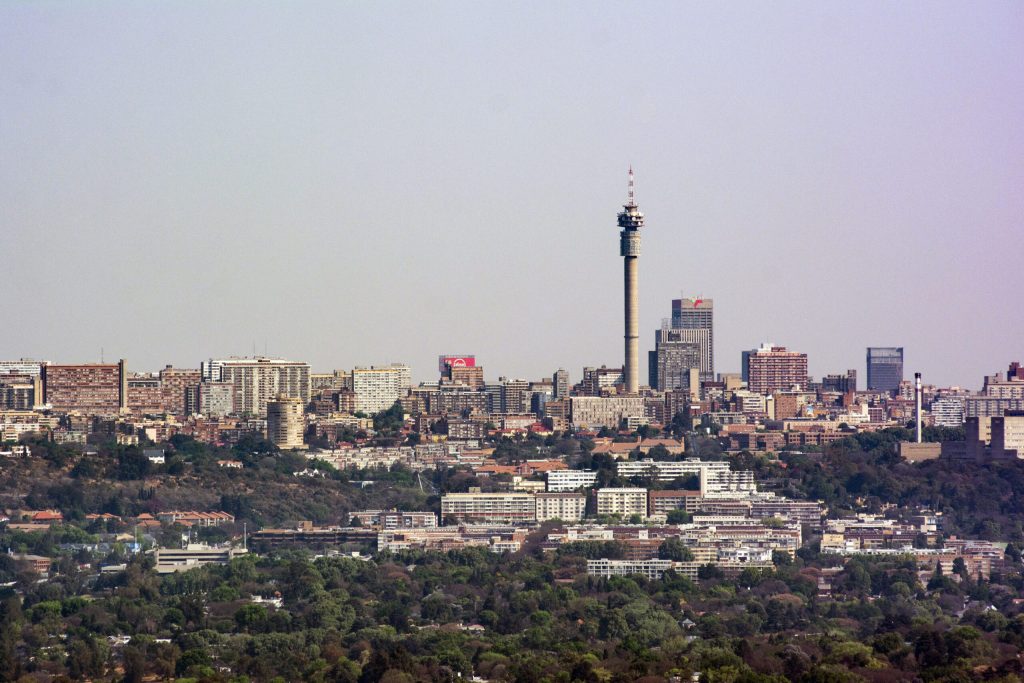
In a bold move to stabilize its finances and revitalize its infrastructure, the City of Johannesburg is taking significant steps to regain access to R3.6 billion in government funding. Mayor Dada Morero recently announced plans to settle outstanding debts with creditors, including major utility providers, as part of a broader strategy to instill fiscal responsibility within the municipal government. This initiative comes in response to a recent decision by the National Treasury to withhold substantial funds from municipalities that are perceived to be struggling with their financial management.
The financial landscape for municipalities in South Africa has become increasingly complex, and Johannesburg is no exception. The National Treasury’s recent action to withhold R13.5 billion from 69 municipalities serves as a wake-up call for local governments to adopt stricter fiscal discipline. The intention behind this measure is to curb unnecessary spending and ensure that officials are held accountable for their financial decisions. As Johannesburg navigates this challenging environment, the city’s leadership is focused on both settling debts and seeking additional funding avenues to support much-needed infrastructure upgrades.
At the heart of Johannesburg’s financial strategy is a commitment to pay almost R2.4 billion to key creditors, including Rand Water and Eskom, by mid-July. Mayor Morero emphasized the city’s determination to comply fully with the requirements set forth by the National Treasury. The willingness to address outstanding debts is crucial for Johannesburg to regain the trust of financial institutions and secure the reinstatement of government funding.
Moreover, the city is exploring the possibility of issuing bonds to finance repairs and upgrades to its aging infrastructure. This bond issuance would not only provide immediate funds but also reflect the city’s proactive approach to addressing its financial challenges. Mayor Morero stated that discussions are underway to appoint the appropriate transaction advisors and prepare for potential market engagement. This strategic move could potentially enhance Johannesburg’s financial position and facilitate the necessary improvements to its infrastructure.
The National Treasury has indicated that the release of the withheld funds will hinge on municipalities submitting concrete plans to manage their debts effectively. According to Ogalaletseng Gaarekwe, the deputy director-general of intergovernmental relations at the Treasury, municipalities must demonstrate their commitment to reducing unauthorized and wasteful expenditures by at least 25% by the end of September. This requirement underscores the need for municipalities to adopt more stringent financial practices and better align with Treasury guidelines.
In light of recent financial challenges, Johannesburg’s administration is revising its approach to curtail unauthorized and irregular expenditures. Mayor Morero has noted that City Power’s substantial overspend of R2.1 billion on bulk electricity purchases will be a focal point for future spending analysis. By identifying the key drivers of excess expenditures, the city aims to create a more sustainable financial framework.
It is essential to recognize that the financial pressures faced by Johannesburg are not unique. Other municipalities are grappling with similar issues, and Finance Minister Enoch Godongwana has previously warned of the potential consequences of unsustainable wage agreements with municipal workers. The city’s recent pact with labor unions, which added R10.3 billion to its wage bill over two years, has drawn scrutiny and highlighted the delicate balance between providing fair wages and maintaining fiscal responsibility.
Despite these challenges, the National Treasury has reassured citizens that the withholding of funds is not expected to disrupt service delivery significantly. Most local governments, including Johannesburg, generate their revenue from local sources, which should mitigate the immediate impact on essential services.
For traders and investors, Johannesburg’s financial maneuvers present a mixed bag of opportunities and risks. On one hand, the proposed bond issuance could attract interest from investors looking for stable returns in a recovering market. On the other hand, the city’s fiscal challenges and potential volatility in the political landscape could deter risk-averse investors.
In conclusion, Johannesburg’s proactive measures to settle debts and seek funding for infrastructure upgrades signal a critical turning point for the city’s financial management. As the local government works to regain access to vital funding, the emphasis on fiscal discipline and accountability will be paramount. The city’s ability to navigate these challenges successfully will not only determine its financial stability but also shape the future of urban infrastructure and service delivery for its residents. Stakeholders, including investors and local citizens, will be watching closely as Johannesburg embarks on this journey toward financial recovery and revitalization.