
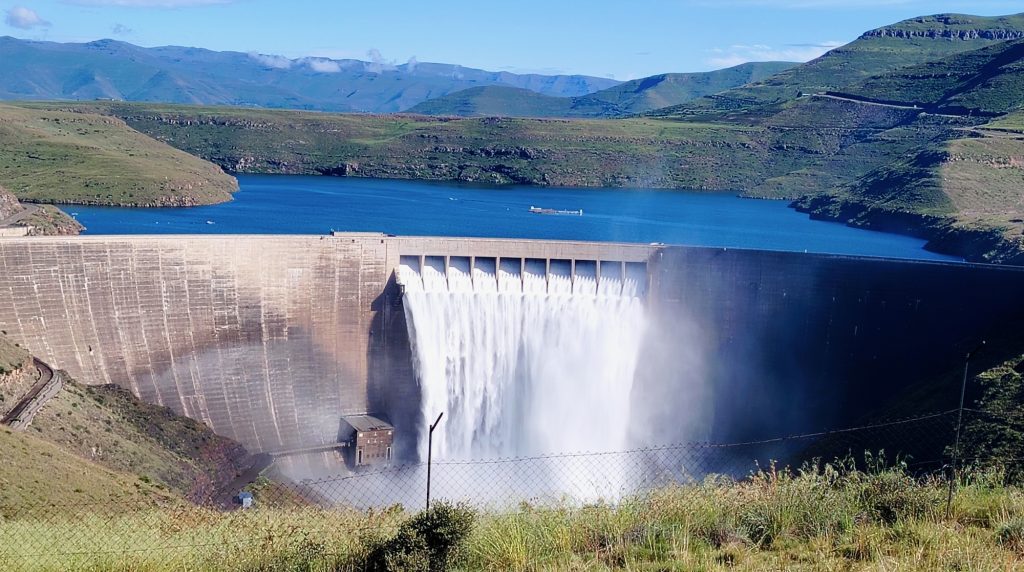
In recent weeks, a significant ruling from the High Court of Lesotho has left thousands of villagers and businesses feeling disheartened as they seek justice for grievances related to the Lesotho Highlands Water Project (LHWP). This landmark decision has not only underscored the complexities of legal redress within such large-scale infrastructure projects but has also highlighted the pressing need for communities affected by such developments to understand their rights and the available recourse.
The Lesotho Highlands Water Project, one of Africa’s largest water transfer schemes, has been a source of economic opportunity and development for some, but for many local residents, it has brought about displacement, loss of livelihoods, and a sense of injustice. The recent ruling by the Constitutional Court of Lesotho mandates that the claims of approximately 3,000 individuals and 889 businesses must be channeled through the high court, rather than being addressed as a constitutional matter. This decision raises important questions about the adequacy of existing legal frameworks in addressing the grievances of affected communities.
At the heart of the dispute is the assertion by local communities that they have faced years of inadequate compensation for their lost land and livelihoods due to the construction of the Katse, Mohale, and Polihali dams. Many residents argue that the compensation they received was either delayed or insufficient, leaving them struggling to rebuild their lives. Additionally, businesses have claimed exclusion from compensation schemes and have pointed to unfulfilled promises of community development funds that were supposed to improve their circumstances following the project’s implementation.
The plaintiffs, represented by various community trusts and individual members, sought a declaration from the court that the actions of the Lesotho Highlands Development Authority (LHDA) violated their constitutional rights. They requested a ruling that would compel the LHDA to provide the overdue compensation and development funds, as well as to address grievances related to the arrests and prosecutions of some community members.
However, the LHDA has firmly contested these claims, arguing that the legal approach taken by the plaintiffs was misguided. The authority’s chief executive, Tente Tente, characterized the application as an “irregular constitutional petition,” asserting that ample legal avenues already exist for affected individuals to pursue their claims. The court concurred with this stance, deciding not to engage with the constitutional questions raised by the plaintiffs. Instead, it highlighted that existing laws, including the LHDA Act and the Land Act, provide structured methods for seeking compensation and addressing grievances.
This ruling brings to light several key takeaways for those involved in similar disputes. First, it underscores the importance of understanding the legal frameworks that govern compensation and land rights in the context of large development projects. A thorough knowledge of available legal remedies can significantly impact the effectiveness of any claim made by affected parties. Moreover, the ruling serves as a reminder that courts may prioritize existing legal processes over constitutional claims when alternative remedies are perceived to be sufficient.
For traders and investors, the implications of this ruling extend beyond immediate legal concerns. The resolution of compensation disputes can affect the stability of investment environments and the reputation of entities involved in large infrastructure projects. Investors must be aware of the socio-economic ramifications of their initiatives and engage in proactive dialogue with local communities to mitigate the risk of disputes arising from perceived injustices.
In conclusion, the High Court of Lesotho’s ruling concerning the compensation claims related to the Lesotho Highlands Water Project represents a considerable setback for thousands of affected individuals and businesses. The decision emphasizes the necessity for a comprehensive understanding of legal options available to communities impacted by large-scale projects. While the court’s ruling may not address the underlying issues of compensation and community development directly, it serves as a crucial reminder that navigating the complexities of legal disputes requires not only awareness of rights but also strategic engagement with existing legal mechanisms. As communities and investors alike grapple with the implications of this ruling, the broader conversation around equitable compensation and community engagement in infrastructure development remains more relevant than ever.