
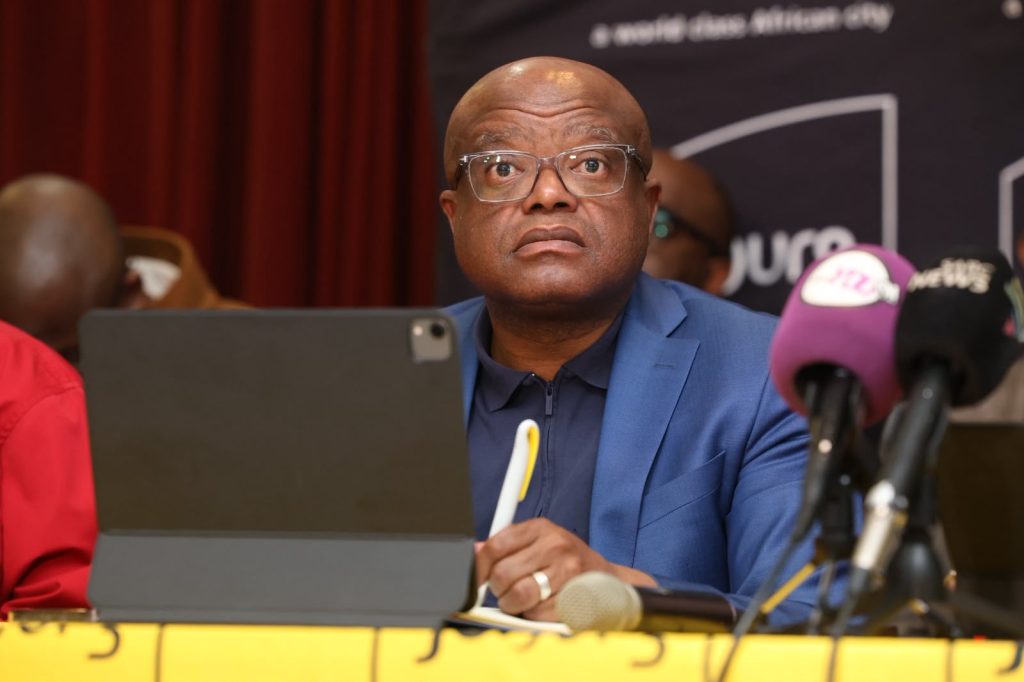
As Johannesburg grapples with its financial hurdles, Mayor Dada Morero’s recent reassurances may come as a relief to residents and businesses alike. Amidst the backdrop of fiscal scrutiny from the National Treasury, Morero’s confident stance suggests a commitment to revitalizing the city’s economic stability. This blog post will explore the current financial landscape of Johannesburg, the implications of recent governmental actions, and the road ahead for the city as it seeks to regain its financial footing.
The financial health of Johannesburg, one of South Africa’s largest cities, has been a topic of significant concern. Recently, the National Treasury’s decision to withhold funds from around 70 municipalities, including Joburg, sent shockwaves through local governance. This action is part of a broader initiative to address the alarming levels of municipal debt and poor financial management that have plagued various local governments across the nation. The total amount withheld reached a staggering R13.5 billion, underscoring the urgency of rectifying fiscal mismanagement.
Mayor Morero has responded to this challenging situation by emphasizing that there is no cause for alarm. He argues that the city is poised to make a comeback, buoyed by a favorable outlook from Moody’s Investors Service, which recently affirmed Johannesburg’s Ba3 long-term issuer rating. This rating had been under review for downgrade, and its retention signals a potential for recovery and stability.
The Mayor recognizes the need for improvement in several key areas. He has committed to enhancing the internal controls surrounding financial reporting, bolstering the budgetary process, and increasing the city’s cash reserves. As it stands, Johannesburg’s cash/cost coverage ratio is notably low at just 12 days, far below the National Treasury’s recommended benchmark of 30 to 90 days. This shortfall presents a critical challenge for the municipality, which is responsible for roughly 15% of South Africa’s GDP.
Key points to consider include the following:
1. **Financial Management Reforms**: Morero’s administration is focusing on strengthening financial oversight to improve accountability and transparency. These reforms are essential for restoring public trust and ensuring the city’s financial viability.
2. **Debt Resolution**: The persistent issue of municipal debt remains a top priority for the National Treasury. Joburg, like many other municipalities, must develop comprehensive plans to manage and reduce debt to avoid further financial penalties and disruptions.
3. **Political Dynamics**: The upcoming local government elections in November could significantly impact the political landscape in Johannesburg. Political analysts predict that the ruling ANC may face repercussions for the city’s financial woes, yet Morero believes that the party’s track record will still resonate positively with voters.
4. **Community Impact**: The financial distress faced by the city has direct implications for residents and local businesses. As funds are withheld, the delivery of essential services may falter, leading to dissatisfaction among constituents.
For traders and investors, Johannesburg’s financial situation presents both risks and opportunities. The city’s vast economic potential cannot be overlooked, especially considering its role as a hub for commerce and industry in South Africa. Investors may find value in municipal bonds or local businesses that could benefit from improved fiscal management and potential recovery initiatives. However, it is crucial to remain vigilant about the risks associated with investing in a municipality facing financial scrutiny.
In conclusion, while Johannesburg currently faces significant financial challenges, Mayor Dada Morero’s confidence and commitment to reform offer a glimmer of hope. The path to recovery will require diligent financial management, community engagement, and strategic political maneuvering as the city prepares for upcoming elections. For residents, investors, and stakeholders, the coming months will be critical in determining whether Johannesburg can stabilize its finances and emerge stronger from this tumultuous period. The focus now shifts to the implementation of effective policies that will not only address current issues but also lay the groundwork for a sustainable future for one of Africa’s most vibrant cities.