
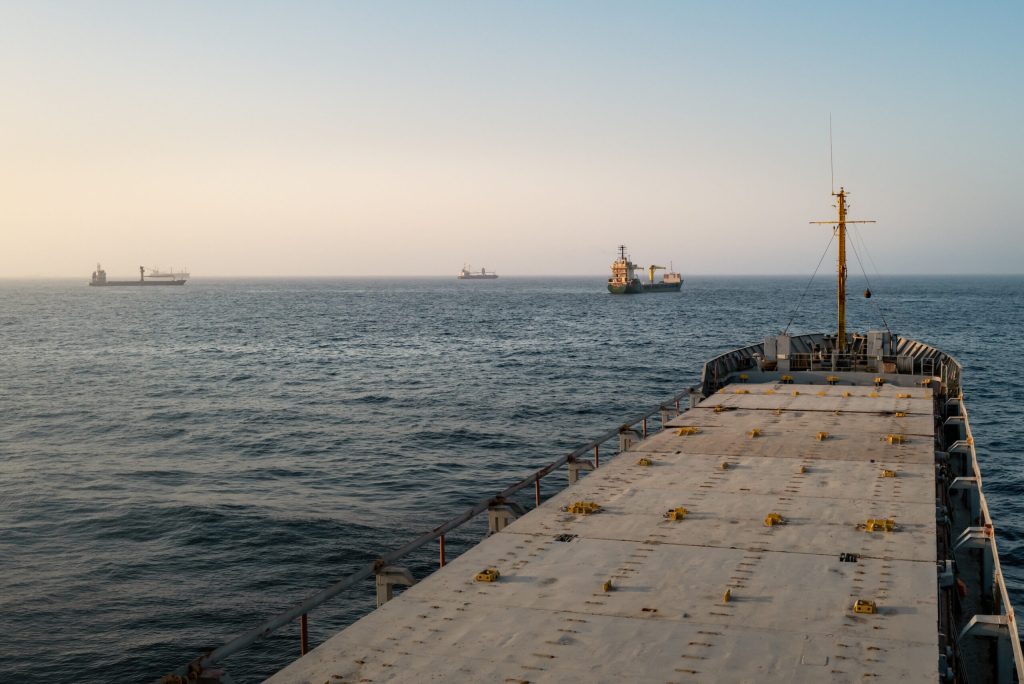
The Strait of Hormuz, a narrow waterway that serves as a crucial artery for global oil and gas shipments, has recently become a focal point of geopolitical tension. With the ongoing clashes between the United States and Iran intensifying, maritime traffic through this vital conduit has faced significant disruptions. Understanding the implications of these developments is essential for investors and traders who are closely monitoring energy markets and geopolitical risks.
As tensions escalated, the Strait of Hormuz experienced a dramatic slowdown in maritime traffic, particularly on a Thursday when the U.S. launched strikes against Iranian targets for the second consecutive day. This deterioration in the relationship between the two nations has raised concerns over the stability of one of the world’s most important energy routes. The Strait is known for its strategic significance, as it connects the Persian Gulf with the Gulf of Oman, and is responsible for approximately 20% of global oil trade.
In the wake of these hostilities, vessel movements have dwindled, particularly along the U.S.-approved Omani corridor, while ships approved by Iran have continued their passage in a more limited capacity. Ship-tracking data indicates a stark reduction in the number of commodity carriers traversing the strait, with only 14 vessels recorded crossing in both directions on a recent Wednesday. This figure represents the lowest daily transit count since the interim peace agreement reached in mid-June, marking a notable shift from the more robust activity observed prior to the recent escalation.
Further exacerbating the situation, reports have surfaced regarding electronic interference affecting navigation systems in the region. Ship clusters have been observed forming, which may indicate that some vessels are navigating with their transponders switched off, a tactic often employed to avoid detection in high-risk areas. The potential for electronic interference raises alarms as it complicates tracking and may signal heightened military readiness among regional players.
Key points from this situation highlight the precarious balance of maritime safety and geopolitical stability in the Strait of Hormuz. The recent attacks on vessels, purportedly carried out by Iranian forces, have prompted a swift military response from the United States, signaling a deterioration of the previously tentative ceasefire. The significant reduction in oil tanker traffic through the strait could have profound implications for energy markets, contributing to price volatility and uncertainties in supply chains.
For traders and investors, the unfolding scenario presents both risks and opportunities. The history of the Strait of Hormuz shows that geopolitical uncertainties often lead to sharp price fluctuations in the oil markets. With tensions escalating, it is crucial for market participants to remain vigilant and informed about developments that could affect supply routes.
Investors should consider diversifying their portfolios to mitigate potential risks associated with energy market volatility. This could involve exploring alternative energy investments or commodities that may be less impacted by the disruptions in the Strait of Hormuz. Additionally, keeping abreast of geopolitical news and analysis can provide insights into potential shifts in market dynamics.
In conclusion, the situation in the Strait of Hormuz underscores the intricate relationship between geopolitics and global energy supply. As the United States and Iran continue to engage in military posturing, the implications for maritime traffic and energy markets are significant. For traders and investors, understanding the risks and opportunities presented by these developments is essential for navigating the evolving landscape of energy investments. The need for strategic foresight has never been more critical as the world watches this vital chokepoint and its impact on the broader economic landscape.