
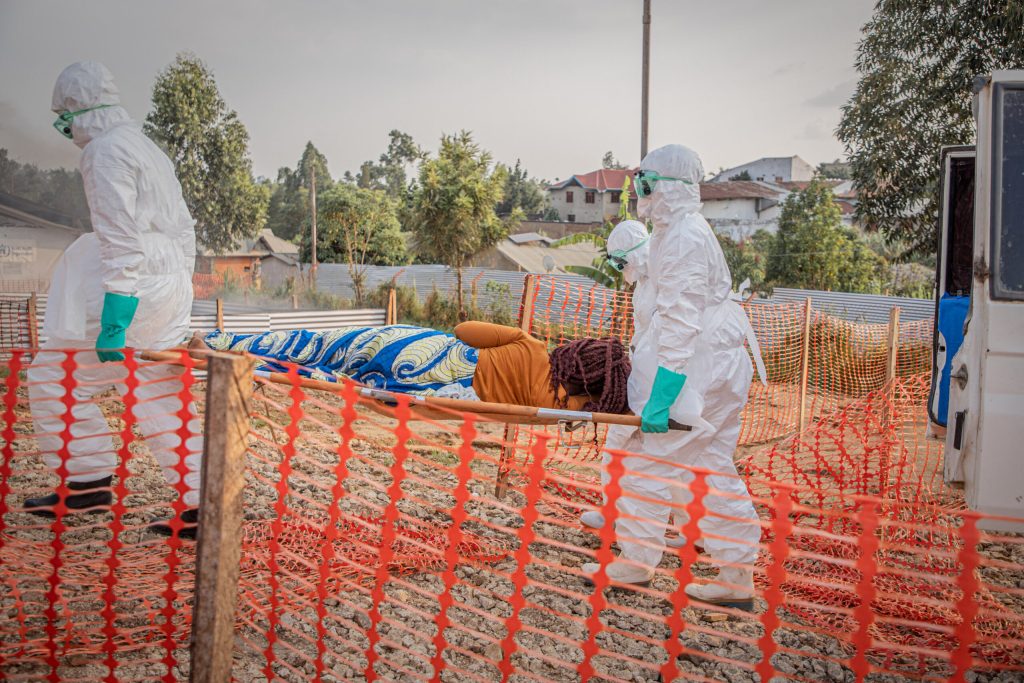
The ongoing Ebola outbreak in the eastern regions of the Democratic Republic of Congo (DRC) has taken a dire turn, recently exacerbated by strikes from health workers fighting the virus. As the country grapples with over 1,700 confirmed cases and a tragic death toll exceeding 600, the walkouts have created a significant barrier to effective containment strategies. This blog post will delve into the current situation, the underlying issues sparking the strikes, and what this means for both public health and the economy of the region.
The situation in eastern DRC’s Ituri province has been precarious, with the capital city of Bunia and the nearby town of Rwampara emerging as epicenters of the outbreak. The National Institute of Public Health has reported that approximately 847 confirmed cases have been documented in these health zones alone—nearly half of the total cases in the country. The healthcare system, already fragile due to years of conflict and neglect, is now facing overwhelming pressure. As treatment centers have reached their capacity, the possibility of an uncontrolled spread of the virus looms larger.
What has triggered the health workers’ strike? A combination of unpaid wages, deteriorating working conditions, and insufficient supplies have left health responders frustrated and demoralized. Reports indicate that some medical professionals have not received payments since the onset of the outbreak. This situation is compounded by the lack of adequate protective equipment, which is critical for their safety while caring for infected patients. The walkout, which began earlier this week, is an alarming sign of the deeper systemic issues plaguing the healthcare sector in the DRC.
The healthcare landscape in eastern Congo has been beleaguered by years of neglect, with Médecins Sans Frontières (Doctors Without Borders) warning that nearly 40% of health workers have abandoned their posts due to the dire conditions. Many healthcare facilities have either closed or suffered damage, leading to a critical shortage of medical resources. Without a robust healthcare infrastructure, the ability to contain outbreaks like Ebola becomes increasingly complex and challenging.
Key points to consider:
1. **Healthcare Workers’ Struggles**: The strike highlights the crucial role of healthcare workers in managing outbreaks and the need for their fair compensation and support. Without incentivizing these frontline responders, containment efforts suffer.
2. **Impact of Strikes on Public Health**: The walkout is occurring at a time when treatment centers are overwhelmed with patients, leading to potential indirect mortality rates rising as essential health services become compromised.
3. **Government Response**: Government officials have acknowledged the problems and are attempting to resolve payment issues, attributing delays to technical banking challenges. However, the trust between health workers and government officials must be rebuilt to ensure effective collaboration.
4. **Public Health Infrastructure**: The underlying issue of a broken healthcare system in the DRC must be addressed. With a significant number of facilities either closed or lacking essential supplies, the capacity to respond to health crises will remain crippled without significant investment and reform.
For traders and investors, the situation in the DRC can serve as a cautionary tale about the risks associated with investing in regions with unstable political and health systems. The impact of health crises on economic stability can be profound. Investors should closely monitor healthcare infrastructure developments, government responses to crises, and the overall socio-political climate when considering opportunities in such regions.
In conclusion, the strikes by health workers in eastern Congo amidst an Ebola outbreak underscore a critical intersection of public health and socioeconomic stability. The immediate focus must shift towards resolving the grievances of health workers while simultaneously reinforcing the healthcare infrastructure. As the world watches, it is clear that the battle against Ebola is not just a fight against a virus, but also a struggle for the essential rights and safety of those on the front lines. Investing in health systems not only saves lives but is also crucial for the economic resilience of affected regions. The path forward must prioritize the wellbeing of healthcare workers to ensure a more effective response to this and future health crises.