
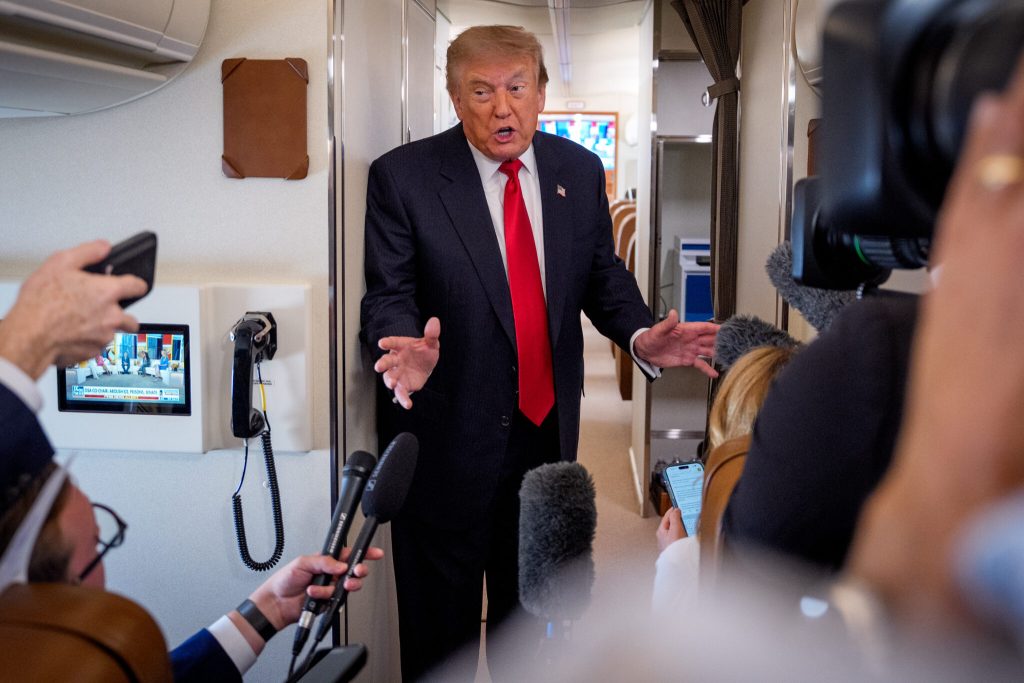
In the ever-shifting landscape of global politics, few relationships are as fraught as that between the United States and Iran. Recently, President Donald Trump hinted at the possibility of renewed diplomatic talks aimed at resolving ongoing tensions in the Middle East. While his comments have sparked interest, they also raise questions about the future of military engagement and its implications for global oil markets. This blog post will delve into the current state of US-Iran relations, the potential impact on oil prices, and what traders and investors should keep an eye on in the coming months.
The backdrop of Trump’s remarks is a complicated history filled with military threats, sanctions, and failed negotiations. As tensions escalated in the region, Trump indicated that the US had been applying significant pressure on Iran, leading to a potential willingness on Iran’s part to engage in dialogue. However, the president also cautioned that if talks do not produce a satisfactory outcome, the likelihood of returning to armed conflict remains high. This duality of hope and caution encapsulates the current state of affairs, where optimism for diplomacy coexists with the ever-present specter of military action.
The situation escalated recently when the US refrained from launching a military strike against Iran for three consecutive days, despite having threatened significant military action just days prior. Concurrently, Iran’s military activities, particularly concerning its involvement in attacks on Gulf nations, have also shown signs of restraint. This pause in hostilities raises questions about the effectiveness of diplomatic channels and whether any serious negotiations are truly underway. Iranian officials have indicated that while they are open to communications, formal negotiations have not yet been initiated.
One of the most significant indicators of the ongoing tensions is the response of the oil markets. Following Trump’s comments, oil prices experienced a notable decline, with Brent crude dropping below $88 per barrel. This decline marked the most significant loss in over three months, reflecting traders’ sensitivity to geopolitical developments. The price of West Texas Intermediate (WTI) also fell, nearing $82 per barrel. The link between geopolitical tensions and oil prices is not new; traders often respond to perceived risks in oil supply, particularly from the volatile Middle East region.
As traders navigate this complex landscape, there are several key takeaways to consider. First, the ongoing negotiations—whether formal or informal—could significantly influence oil prices. Should the US and Iran reach an agreement, markets may react positively, leading to a stabilization of prices. Conversely, any resurgence of military action could send prices soaring as concerns over supply disruptions increase.
Moreover, it is essential to monitor the broader implications of military stockpiles and munitions availability. Reports have indicated that US military advisers have expressed concern regarding the limits of effective military engagement, primarily due to dwindling stocks of critical munitions. Such concerns could influence the administration’s decisions moving forward, potentially impacting both military strategy and oil market stability.
From the perspective of traders and investors, these developments should prompt a heightened awareness of potential volatility in energy markets. Keeping an eye on news related to US-Iran relations, as well as the broader geopolitical landscape, will be crucial. Additionally, watching for any shifts in military readiness or changes in US defense policy could provide valuable insights into future market movements.
In conclusion, the current state of US-Iran relations reflects a precarious balance between the potential for diplomatic resolution and the risk of renewed conflict. As President Trump navigates this complex situation, traders and investors must remain vigilant, understanding the factors that could impact oil prices and market stability. The road ahead is uncertain, but the interplay of diplomacy, military readiness, and oil markets will undoubtedly shape the economic landscape in the months to come. By staying informed and aware of these dynamics, market participants can better position themselves to respond to an ever-evolving geopolitical environment.