
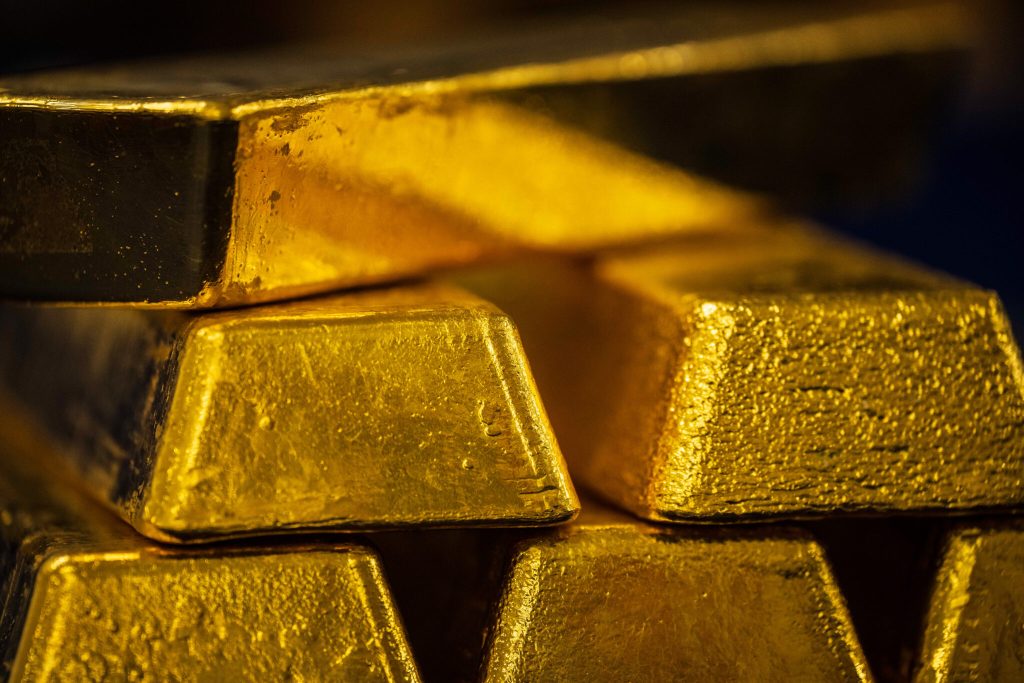
The financial landscape is often fraught with uncertainty, and right now, gold prices are feeling the weight of that uncertainty more than ever. As traders gear up for a pivotal decision from the Federal Reserve regarding interest rates, gold has taken a hit, reflecting the delicate balance between inflation fears and geopolitical tensions. In this blog post, we will delve into the current trends affecting gold prices, the implications of the upcoming Fed decision, and what all of this means for investors.
As the market awaits the Federal Reserve’s interest rate announcement, which is set for this Wednesday, gold has experienced a notable decline. Recently, the price of bullion dipped by as much as 0.8%, bringing it close to the psychologically significant threshold of $4,000 an ounce. This decline has erased any modest gains seen in previous trading sessions, leaving investors anxious about the potential for further volatility. The uncertainty surrounding interest rates is compounded by a fragile pause in hostilities in the Middle East, primarily concerning the ongoing tensions between the United States and Iran.
At the heart of the current situation is the Fed’s struggle to balance the mixed signals from recent economic data. On one hand, a recent inflation report indicated a degree of moderation, sparking discussions about the possibility of holding rates steady. On the other hand, rising oil prices, influenced by renewed conflicts, have prompted concerns about inflationary pressures. Market participants are currently pricing in a 40% chance of a quarter-point rate hike, which is a significant level of uncertainty given the Fed’s historically more predictable decision-making process.
Investment firms are weighing in on the potential outcomes of the Fed’s decision. Citadel Securities has expressed expectations for a rate hike, arguing that such a move would enhance the credibility of Fed Chairman Kevin Warsh in his ongoing battle against inflation. Conversely, analysts from Zhishui Investment Management caution that even if the Fed opts to maintain current rates, a hawkish tone or signals of future tightening could place further downward pressure on gold prices. This sentiment is echoed by Christopher Wong, a strategist with Oversea-Chinese Banking Corp, who notes that any hawkish messaging could support the US dollar and real yields, effectively capping any recovery in gold.
Despite the pressures facing gold, there are signs of resilience. The precious metal has shown some stability near the $4,000 mark since late June, aided by a wave of dip-buying activity. Additionally, gold-backed exchange-traded funds (ETFs) have seen an uptick in holdings, marking the longest streak of gains since May. This suggests that while traders remain cautious, there is also a recognition of gold’s value as a hedge against uncertainty.
The geopolitical landscape has also played a critical role in shaping market sentiment. Recent announcements from President Donald Trump regarding renewed talks between the US and Iran have provided a glimmer of hope. Both parties have reportedly paused military actions, and Trump conveyed optimism about the likelihood of a deal. However, he also warned that a return to conflict is possible if negotiations falter. This ambiguous backdrop adds another layer of complexity for investors, as the interplay between military tensions and economic indicators continues to influence market dynamics.
Looking at the broader picture, several key takeaways emerge for traders and investors. Firstly, gold remains a traditional safe haven asset, but its performance can be significantly impacted by external factors, including interest rates and geopolitical developments. Secondly, the upcoming Fed decision is poised to be a critical moment for gold prices, with potential for either a rally or further declines based on the outcome and accompanying communications. Lastly, while current pressures are evident, the underlying demand for gold as a hedge against inflation and instability remains robust.
In conclusion, the current environment for gold is characterized by uncertainty and volatility. As investors await the Federal Reserve’s decision on interest rates, it is crucial to stay informed about both economic indicators and geopolitical developments. Whether you are a seasoned trader or a casual investor, understanding these dynamics can help you navigate the complexities of the market and make informed decisions about your investment strategies. Gold may face challenges in the short term, but its role as a store of value cannot be overlooked, particularly in times of uncertainty.