
In a world where geopolitical tensions can send ripples through global markets, the recent developments surrounding the Strait of Hormuz have captured the attention of investors and traders alike. With Iran hinting at progress in negotiations to facilitate shipping through this critical waterway, and U.S. President Donald Trump’s unexpected decision to call off military strikes against Iran, the oil market is responding in real-time. As Brent crude prices dropped significantly, understanding the nuances of these negotiations and their implications for the energy sector becomes essential.
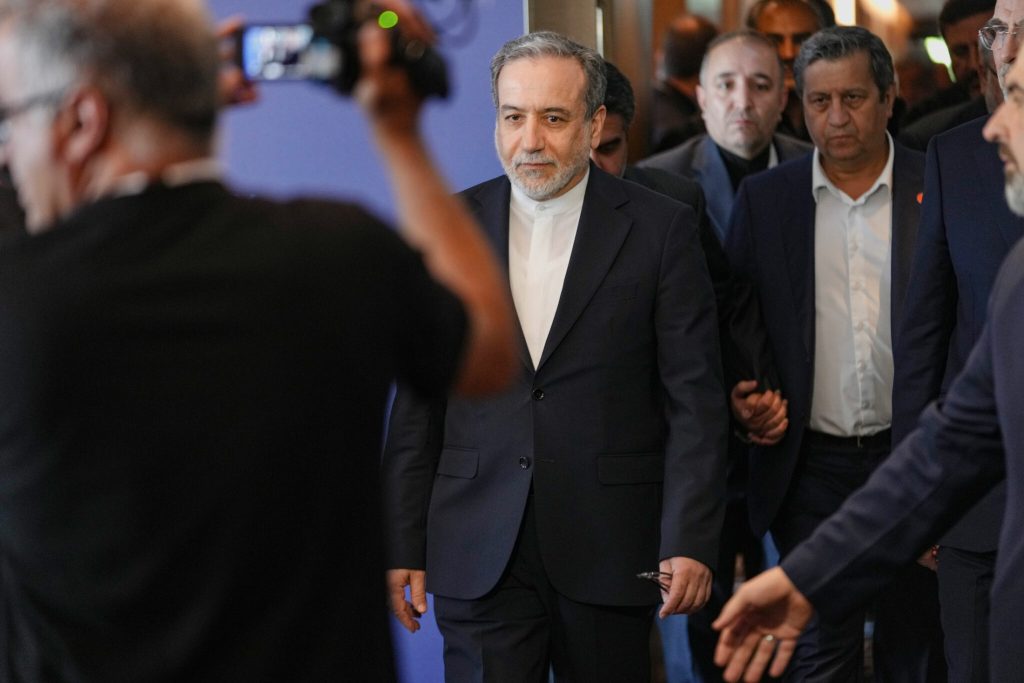
The Strait of Hormuz is a vital maritime passage, through which a significant portion of the world’s oil supply is transported. The current situation in the region, marked by diplomatic maneuvering between Iran and Oman, has raised hopes for a potential easing of tensions and a resumption of normal shipping operations. Iran’s foreign minister, Abbas Araghchi, announced that discussions about managing the strait are nearing completion, although skepticism remains about Iran’s willingness to ensure unrestricted access for vessels.
On Sunday, President Trump indicated that a breakthrough could be on the horizon, suggesting that new talks with Iran would commence shortly. However, it’s essential to note that the discussions between Iran and Oman do not necessarily imply a full reopening of the Strait of Hormuz. Instead, they focus on a “temporary” route aimed at enhancing the safety of maritime traffic, which indicates that the broader geopolitical landscape remains fraught with uncertainty.
One key point of concern is the condition of the middle passage through Hormuz, which has reportedly been mined by Iranian forces. This raises questions about the feasibility of resuming regular shipping operations in that area. Currently, the majority of vessels navigating the strait are doing so under specific permissions, either hugging the Iranian coast or taking a southern route near Oman. This limited access underscores the precarious nature of maritime security in the region and its ramifications for global oil supply.
The market reaction was swift, with Brent crude prices experiencing a notable decline of approximately 4.5%, settling just above $83 per barrel. This drop reflects the broader market sentiment that while negotiations may be progressing, the potential for disruptions remains high. Traders are acutely aware that any escalation in hostilities could swiftly alter the dynamics of supply and demand, leading to price volatility.
From an investor’s standpoint, the current situation offers both risks and opportunities. On one hand, the uncertainty surrounding the Strait of Hormuz poses a threat to oil prices; any indication of renewed conflict could lead to sharp price spikes as traders react to potential supply disruptions. On the other hand, if negotiations yield positive outcomes and the strait is secured, we could see a stabilization in oil prices, which may benefit energy-related investments.
As the Gulf states, including Saudi Arabia and the United Arab Emirates, urge for a diplomatic resolution, their concerns about the ongoing conflict are palpable. The fear of Iranian retaliation through drone or missile strikes has raised alarms, particularly as these nations have already experienced attacks on their maritime assets. The economic implications of such escalations are significant, as the stability of the region is crucial for their economic well-being.
In conclusion, the evolving situation in the Strait of Hormuz serves as a reminder of the intertwined nature of geopolitics and global markets. As traders and investors navigate these turbulent waters, staying informed about developments in Iran-Oman discussions is crucial. The implications for oil prices and broader market stability are profound, making it essential for stakeholders to remain vigilant. Whether these negotiations will lead to a lasting resolution or further entrench conflict remains to be seen, but one thing is certain: the markets will continue to react to every twist and turn in this high-stakes geopolitical drama.