
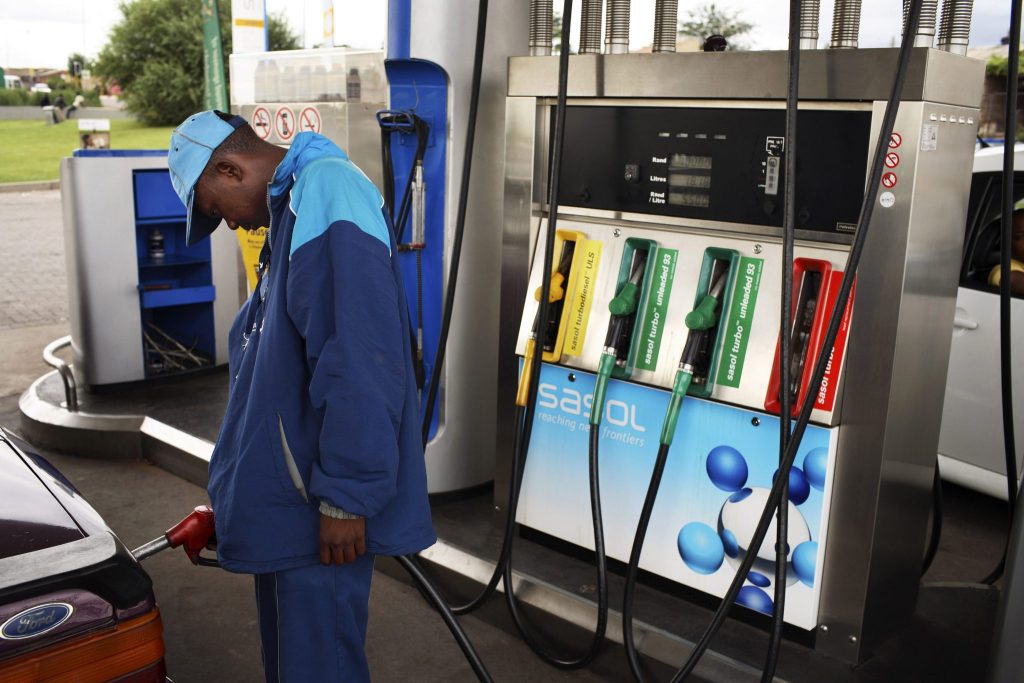
As August approaches, diesel users in South Africa are bracing for another round of price increases at the fuel pumps. The Department of Mineral and Petroleum Resources (DMPR) has announced that consumers will face a hike of between R1.23 and R1.38 per litre starting from August 5. This adjustment comes on the heels of a brief respite in fuel prices during June and July, when prices had seen a decline from the historic highs experienced earlier this year.
Understanding the dynamics of diesel pricing is crucial for consumers and businesses alike, as these changes can significantly impact budgets and operational costs. In this blog post, we will delve into the reasons behind the impending price increases, the broader implications for fuel users, and what investors and traders should keep in mind as they navigate this volatile market.
The Recent Trends in Fuel Pricing
The recent price hike for diesel follows a period where global oil prices had shown signs of improvement. However, the situation took a turn for the worse when a potential peace deal in the Middle East conflict faltered, leading to renewed volatility in oil prices. The situation was further exacerbated by a statement from US President Donald Trump, who indicated that talks with Iran would resume after he cancelled a planned military action. Such geopolitical tensions have a direct influence on oil prices, causing fluctuations that can affect consumers at the pump.
Interestingly, while diesel prices are set to increase, the cost of petrol will actually decrease by 52 cents per litre. Despite this reduction, both inland and coastal petrol prices remain above the R25-per-litre threshold, which continues to strain household budgets and business expenses. Additionally, illuminating paraffin will see an increase of more than R2 per litre at retail levels, compounding the financial burden for consumers who rely on this fuel for heating and cooking.
Key Factors Influencing Price Adjustments
The DMPR has highlighted several key factors contributing to the recent fuel price adjustments. One of the primary reasons is the underperformance of Middle Eastern refineries, which have been operating below capacity. This has led to a significant increase in the basic fuel price (BFP) of diesel and illuminating paraffin, with contributions rising by 182.62 cents and 143.32 cents per litre, respectively. Conversely, petrol has seen a decrease in its BFP contribution by 6.08 cents per litre.
Moreover, the department has implemented a self-adjusting slate levy mechanism, which is designed to stabilize the fuel pricing structure by accounting for fluctuations in international oil prices. The slate levy will see a decrease from 113.94 cents to 61.38 cents per litre, providing a slight relief in the overall pricing structure for consumers.
Insights for Traders and Investors
For traders and investors, the rising fuel prices present both challenges and opportunities. The volatility in oil prices can create a significant trading environment, where investors can capitalize on price swings. However, it is essential to remain vigilant about geopolitical developments, particularly in the Middle East, as these can quickly shift market sentiment and impact oil prices dramatically.
Investors in energy stocks should also take note of how these price changes can affect the profitability of oil companies. A sustained increase in diesel prices may lead to higher operational costs for businesses that rely heavily on diesel for transportation and logistics. This, in turn, could influence the stock performance of companies across various sectors, particularly in logistics and transportation.
Conclusion
As we head into August, the rising diesel prices are a stark reminder of the interconnectedness of global events and domestic fuel markets. While the decrease in petrol prices offers a glimmer of hope for consumers, the overall trend in fuel pricing remains upward due to various geopolitical and economic factors. For diesel users, it is essential to remain informed and prepared for the financial implications of these changes.
For investors and traders, the current environment is ripe for strategic positioning, but it requires a keen awareness of global trends and local market dynamics. As fuel prices continue to fluctuate, staying educated on these matters will be crucial for making informed decisions in both personal and professional financial contexts.