
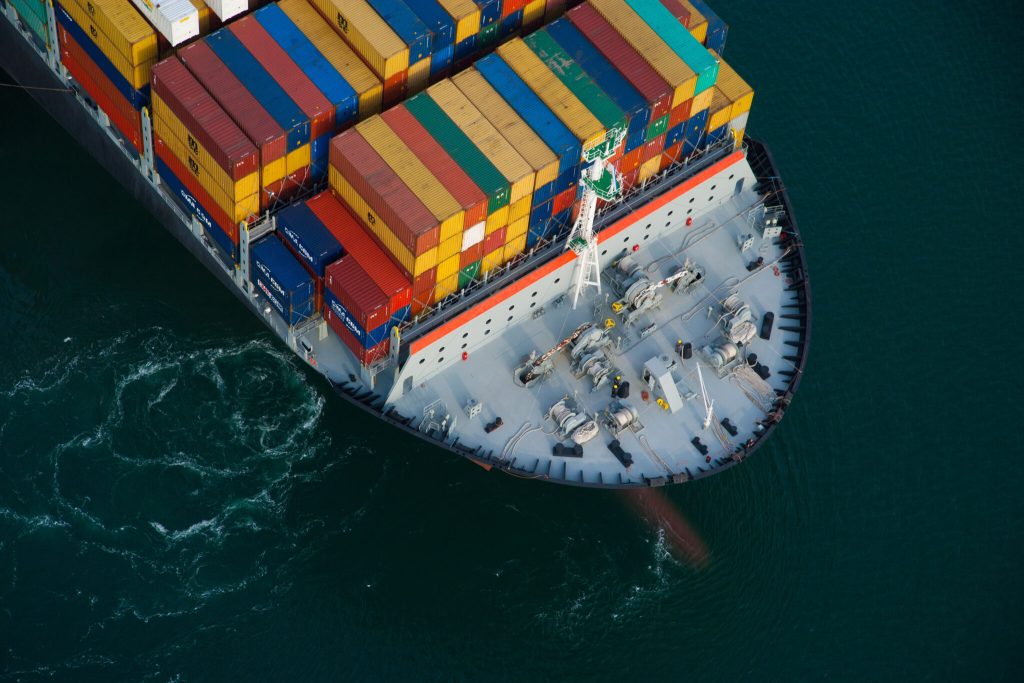
In the ever-evolving world of global finance, understanding the intricacies of trade balances is crucial for investors and traders alike. Recent news from South Africa has shed light on a significant economic development—the country achieved a trade surplus of R17 billion for June 2026, reversing the trade deficit recorded in May. This article will delve deeper into the implications of this trade surplus, the factors contributing to it, and what it means for investors navigating the South African market.
The trade surplus reported by South Africa marks a noteworthy achievement, especially considering the backdrop of ongoing global trade tensions and fluctuating commodity prices. The data suggests a robust export performance, which has outperformed expectations. A trade surplus occurs when a country’s exports exceed its imports, a scenario that is generally favorable for the economy, as it indicates a stronger demand for domestic goods and services.
In June, the consensus had anticipated a slight trade deficit; thus, the reported surplus came as a pleasant surprise to economists and analysts. The revision of previous figures played a role in shaping the current data, as the initial trade deficit for May was adjusted to reflect a surplus. This adjustment highlights the dynamic nature of trade reporting and the importance of accurate data interpretation.
One of the driving forces behind the trade surplus was the decline in import values, notably influenced by falling oil prices. Following the signing of a memorandum of understanding between the United States and Iran in mid-June, oil prices experienced a notable decrease. As South Africa is a net importer of petroleum products, this reduction in import costs significantly bolstered the overall trade figures.
Moreover, the global manufacturing sector has demonstrated resilience, contributing to stronger-than-anticipated export performance. Many countries have been stockpiling inventory in response to fears of rising prices amidst geopolitical tensions. As these stockpiles begin to normalize, South Africa’s export figures have benefitted, showcasing the country’s ability to adapt to shifting market conditions.
A historical perspective reveals that South Africa typically experiences a trade surplus in the latter half of the year. Data from previous years suggests a pattern where the initial months of the year show stronger surpluses, followed by a more consistent performance as the year progresses. This trend indicates a degree of stability in South African trade, even amidst the uncertainties of ongoing global trade negotiations.
However, while the current surplus is encouraging, it is essential to acknowledge the potential risks that lie ahead. The effects of global oil shocks and other external economic pressures could impact South Africa’s trade dynamics. Fluctuating commodity prices, changes in global demand, and geopolitical developments all present challenges that could affect the sustainability of the trade surplus.
For traders and investors, the recent trade data presents several key takeaways. Firstly, the surprising surplus underscores the importance of staying informed about international relations and their potential impacts on commodity prices. Investors should closely monitor developments in the energy sector, as fluctuations in oil prices can significantly influence trade balances.
Secondly, the resilience shown in South Africa’s export performance suggests a robust manufacturing sector that could be an attractive focal point for investment. Companies involved in manufacturing and export-related industries may present lucrative opportunities, particularly if the current trend continues.
Lastly, the broader context of South Africa’s trade performance serves as a reminder of the importance of diversifying investments. As the global economic landscape shifts, sectors that may have previously seemed stable can experience unexpected volatility. Investors should consider a mix of domestic and international assets to mitigate risks associated with potential economic downturns.
In conclusion, South Africa’s recent trade surplus presents a positive development for the nation’s economy and offers insights for traders and investors. While the current figures are promising, vigilance regarding external factors is essential. By understanding the complexities of trade balances and their underlying influences, investors can better navigate the South African market and capitalize on emerging opportunities while being mindful of potential risks. As the year progresses, all eyes will remain on trade dynamics, making it a crucial area for ongoing analysis and strategic planning.