
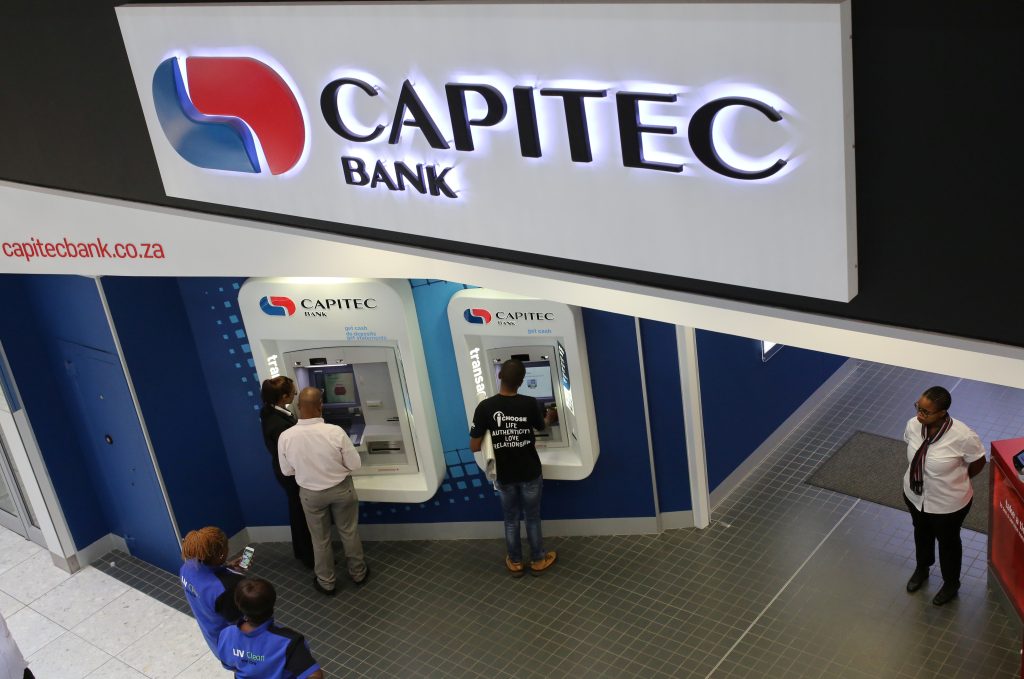
In a significant move that reflects its evolution as a prominent player in the retail banking sector, Capitec Bank Holdings Limited has officially announced its corporate name change to Capitec Limited. This decision, which received the green light from shareholders at the annual general meeting held on August 3, 2026, marks a pivotal moment for the company, demonstrating not only its growth but also its commitment to a streamlined corporate identity. This blog post delves into the implications of this name change and what it means for shareholders and investors alike.
The decision to alter its corporate name was made following the approval of Special Resolution number 2 by shareholders, a step that underscores the commitment to adapt and evolve in a competitive financial landscape. The formal registration of this name change was subsequently sanctioned by the Companies and Intellectual Property Commission (CIPC), ensuring that Capitec’s new identity is officially recognized. This strategic move aligns with the company’s vision to enhance its brand presence while maintaining continuity in its operations and market standing.
At its core, the name change signifies a structural refinement aimed at simplifying the corporate identity of the holding entity. While the transformation is substantial, it has been designed to preserve essential elements such as listing parameters, trading histories, and ticker attributes on the Johannesburg Stock Exchange (JSE). This means that for existing shareholders, the transition will be seamless—allowing them to continue trading under the same identifiers they have been familiar with.
### Key Points of the Name Change
1. **Implementation Timeline**: The name change will be executed according to a specific timeline. Shareholders are advised that shares held under the previous name cannot be dematerialized or rematerialized after the last date to trade, which is set for August 25, 2026. For those holding certificates and wishing to trade post this date, they will need to liaise with Computershare Proprietary Limited, the appointed transfer secretaries.
2. **Preservation of Trading Identifiers**: Even with the new name, Capitec will retain its established trading identifiers on the JSE. The JSE share code, CPI, its abbreviated name, Capitec, and the International Securities Identification Number (ISIN) ZAE000035861 will remain unchanged. This continuity is crucial for investors who may have concerns about how the name change could affect their investments.
3. **Maintaining Shareholder Relationships**: Capitec has reiterated that the company will keep its existing shareholder register and trading history intact. This assurance is vital for maintaining trust and confidence among investors who have been part of the Capitec journey.
### Insights for Traders and Investors
For traders and investors, the name change presents both opportunities and considerations. The decision to simplify the corporate identity can be interpreted as a strategic move that may improve market perception and ultimately enhance the company’s brand recognition. This could lead to increased investor interest, especially among those who value clarity and transparency in corporate governance.
Moreover, since the trading identifiers remain unchanged, investors can expect stability in trading activities. This aspect is particularly reassuring for those who may have concerns about potential disruptions that often accompany corporate name changes. For traders, understanding the implications of such changes can inform better decision-making and strategic positioning in their portfolios.
### Conclusion
Capitec Bank’s transition to Capitec Limited signals a thoughtful approach to corporate identity that aligns with its growth trajectory and market ambitions. By simplifying its name while preserving critical trading identifiers and shareholder relationships, the bank is not only enhancing its brand but also reinforcing its commitment to transparency and stability.
As the financial landscape continues to evolve, Capitec’s decision may serve as a case study for other firms considering similar transformations. For investors, the forthcoming changes may present new opportunities, making it essential to stay informed and engaged with the company’s developments. As always, prudent investment strategies should be employed to navigate the dynamic environment of the banking sector.