
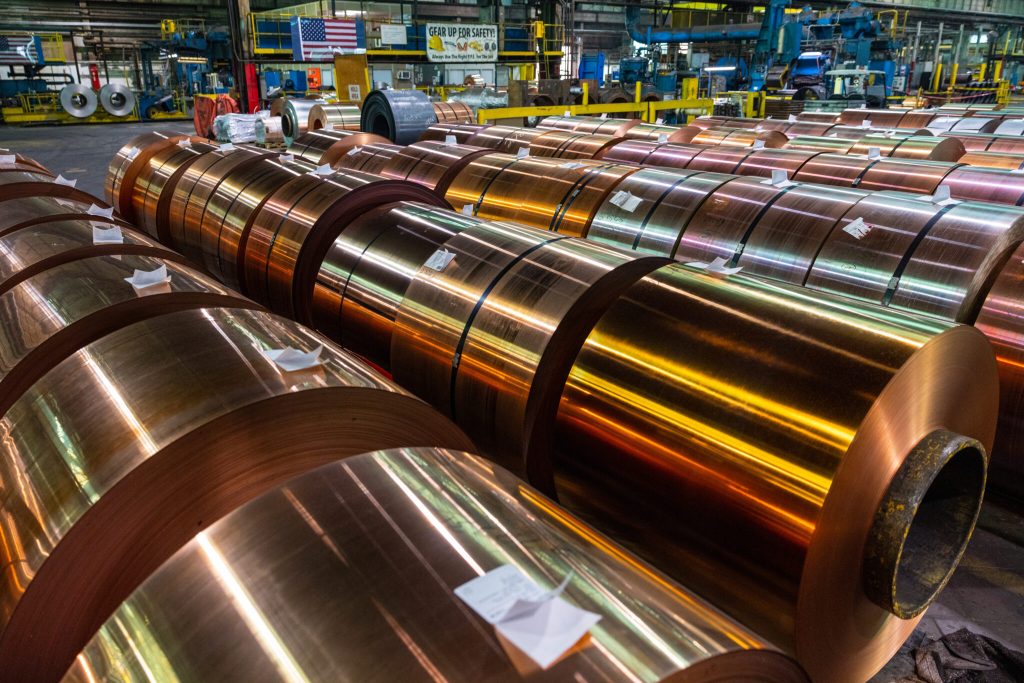
The copper market is experiencing notable fluctuations as prices reach their highest levels in two months, nearing the $14,000 per ton mark in London. This surge comes amid a significant influx of copper shipments into the United States, as traders and investors closely monitor the potential impact of impending import tariffs that could be imposed by the Trump administration. As we delve into the factors influencing this situation, we will explore the implications for both traders and investors in the copper market.
The recent spike in copper prices is largely attributed to an unprecedented volume of imports into the United States. In July, over 200,000 tons of copper made their way to U.S. ports, marking the highest monthly import figure recorded since IHS Markit began tracking shipping data in 2014. This influx has resulted in a substantial accumulation of copper in American warehouses and ports, significantly affecting global availability and pricing. The surge in supply has occurred despite ongoing uncertainty regarding potential tariffs on refined copper, which the U.S. Commerce Department was expected to address by June 30. However, as of now, no official decision has been announced, leaving traders in a state of anticipation.
The dynamics of the copper market have been further complicated by the disparity in pricing between the U.S. and the London Metal Exchange (LME). Currently, copper prices in the U.S. remain at a premium compared to those on the LME, creating an environment where trading remains profitable. This situation suggests that the market is reacting to both local supply and international pricing trends, leading to a complex landscape for traders and investors alike.
One of the key takeaways from this situation is the critical juncture that lies ahead for the copper market. As noted by Jinrui Futures Co, the upcoming announcement regarding U.S. copper tariffs will be pivotal. Market participants are advised to closely monitor any developments, as these tariffs could have far-reaching implications for copper prices and availability. The uncertainty surrounding this decision has already begun to affect demand from some Chinese buyers, who are facing high prices and may be hesitant to make significant purchases.
In addition to the potential impact of tariffs, the broader context of the metal market also plays a crucial role in shaping copper prices. The recent performance of other metals on the LME, such as zinc and aluminum, has also shown positive trends, further contributing to the overall bullish sentiment in the market. For instance, zinc prices recently reached their highest close since 2022, while aluminum has climbed to levels not seen since June. This collective gain among major metals suggests a strengthening demand for industrial materials, which could enhance copper’s price trajectory in the short term.
For traders and investors looking to navigate this volatile landscape, several insights can be gleaned from current market conditions. First, it is essential to remain vigilant and informed about the developments surrounding U.S. copper tariffs. The decision, once announced, could lead to rapid shifts in pricing and trading strategies, making it imperative to adapt quickly to new information. Additionally, keeping an eye on global demand trends, particularly from major consumers like China, will be crucial in assessing the sustainability of current price levels.
Moreover, diversifying investment strategies to include a range of commodities may help mitigate risks associated with any sudden market fluctuations. As the copper market grapples with both domestic and international pressures, investors should consider the potential for both short-term gains and long-term stability.
In conclusion, the copper market is at a crossroads, with prices nearing significant thresholds while traders await a critical tariff decision from the U.S. government. The combination of increased imports and fluctuating demand patterns creates a dynamic environment for market participants. As we move forward, staying informed about developments and adapting strategies will be key to navigating the complexities of the copper market. Whether you are a trader or investor, understanding these nuances can provide a competitive edge in the ever-evolving landscape of commodities trading.