
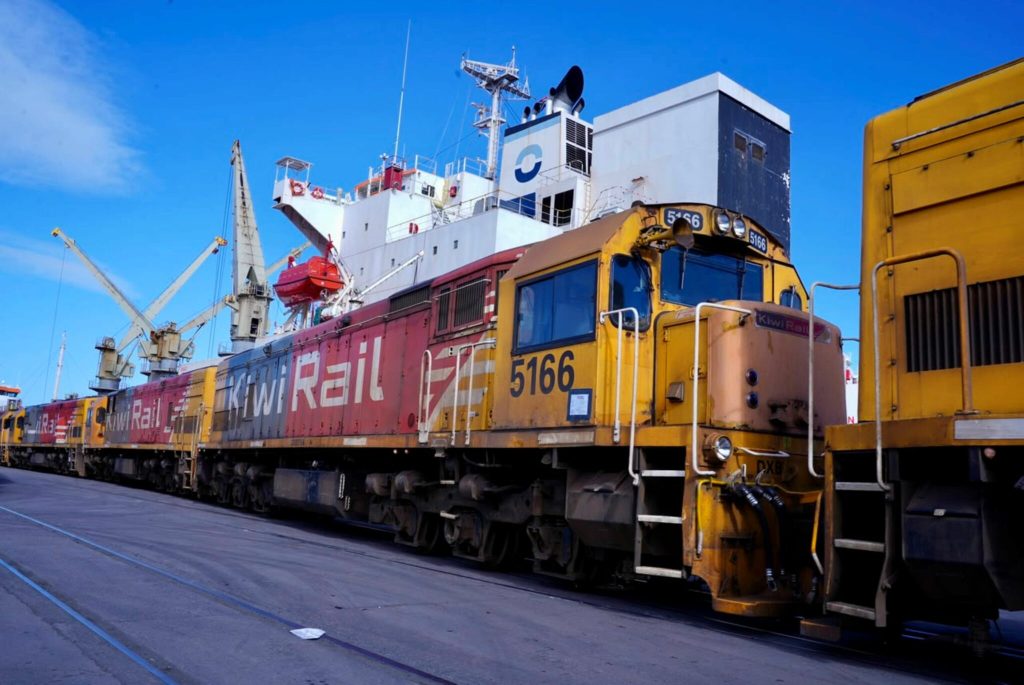
In an exciting development for South Africa’s freight transport sector, private railway operator Traxtion has recently welcomed the arrival of the first eight Wabtec C28 locomotives at the bustling Port of Durban. This pivotal moment represents a significant stride in Traxtion’s ambitious R3.4 billion investment in rolling stock, a plan that aims to reshape the country’s rail infrastructure and introduce third-party access to the national rail network. With the goal of increasing operational efficiency and enhancing economic opportunities, Traxtion is setting a new course for the future of rail freight in South Africa.
Traxtion’s delivery of the locomotives, shipped all the way from New Zealand, marks the beginning of a larger initiative to introduce a total of 46 locomotives over the next two years. Following their arrival, these locomotives will be transported to Traxtion Rail Services’ hub in Pretoria, where they will undergo refurbishment and technical upgrades starting in September 2026 before they are integrated into commercial service on the mainline. This strategic investment not only highlights Traxtion’s commitment to modernizing rail freight but also emphasizes the necessity for private sector involvement in the transportation landscape.
The R3.4 billion rolling stock investment plan is primarily funded through a successful R1.5 billion equity subscription backed by prominent financial institutions such as Harith, Stanlib, and Standard Bank. This infusion of capital underscores the growing role of private investment in South Africa’s rail sector, as stakeholders recognize the potential for substantial returns in a revitalized freight market. Traxtion’s CEO James Holley articulates this sentiment well, stating that the future of freight transport hinges on effective collaboration between the public sector and private enterprises, coupled with long-term investments that can build capacity and stimulate economic growth.
Central to this transformation is the ongoing reform of South Africa’s freight rail framework, led by Transport Minister Barbara Creecy. The government is working to transition from policy development to practical implementation, particularly regarding allowing private train operating companies (TOCs) to gain access to the national rail grid. Historically, this access has been severely restricted, limiting competition and growth in the sector. A crucial regulatory tool in this process is the forthcoming Version 4 of the Rail Network Statement. This document aims to create clear and transparent rules governing network access for private operators, which, in turn, will encourage further investment.
Holley emphasizes the importance of policy clarity and infrastructure investment in enabling the vision for South Africa’s rail sector to become a reality. He points out that while regulatory reform provides the necessary framework for increased private participation, it is the actual investment in infrastructure that will bring about meaningful change. The costs associated with acquiring and maintaining locomotives and rail infrastructure necessitate that businesses secure significant equity and debt financing to succeed.
The implications of Traxtion’s investment extend beyond the rail network itself. Each new locomotive and upgrade has the potential to create a ripple effect throughout the economy. With enhanced rail services, the transportation of goods becomes more efficient, which can lower costs for businesses, strengthen supply chains, and ultimately, create jobs. The multiplier effect of these investments can significantly impact local economies and contribute to broader economic growth.
For traders and investors, the developments within Traxtion and the South African rail sector present a unique opportunity. As the government continues to push for reforms that foster private sector involvement, investors can look to capitalize on the growth potential within this market. The transportation sector, particularly rail freight, is poised for transformation, and those who position themselves strategically may benefit from the resulting economic upturn.
In conclusion, Traxtion’s delivery of the Wabtec C28 locomotives is just the beginning of a transformative journey for South Africa’s rail freight industry. With significant investments and ongoing regulatory reforms, the landscape is shifting towards a more collaborative and efficient system that can unlock economic opportunities. As stakeholders from both the public and private sectors work together, the future of freight in South Africa looks promising, with potential benefits extending far beyond the tracks.