
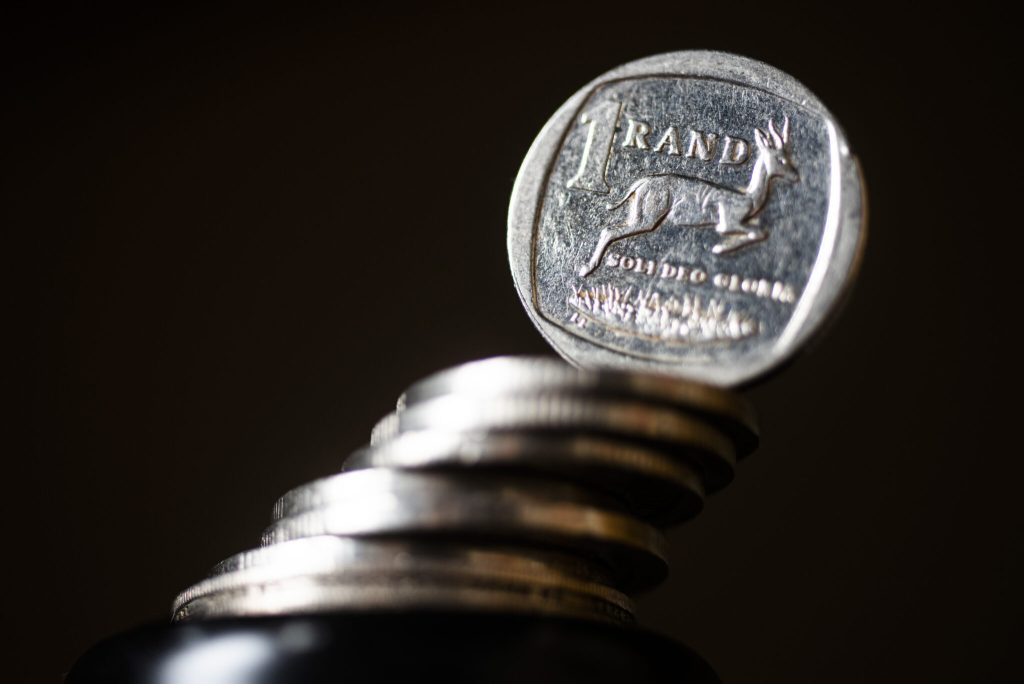
In recent months, the South African rand has experienced significant fluctuations, driven by a combination of geopolitical instability and domestic monetary policy decisions. As the currency faces pressures from various fronts, investors are increasingly focusing on hedging strategies to mitigate potential losses. This blog post examines the recent decline in the cost of hedging against rand depreciation, the factors influencing this trend, and what it means for traders and investors looking to navigate the evolving financial landscape.
The current economic climate in South Africa has prompted a shift in investor sentiment regarding the rand. As of now, the cost of hedging against declines in the currency has reached its lowest point this year. Specifically, one-year risk reversals, which measure the cost difference between options to sell or buy the rand, are trading at 1.8 percentage points. This marks the lowest level since December, indicating a growing sense of stability among investors who believe that recent market fluctuations are temporary.
The rand recently hit a three-month low against the US dollar, largely as a result of the South African Reserve Bank’s (SARB) decision to maintain interest rates. Despite the bank’s warnings regarding rising inflation, many analysts believe that the currency’s current challenges, exacerbated by elevated oil prices and ongoing geopolitical tensions in the Middle East, are not insurmountable. These dynamics have led to a mixed outlook for the rand, with short-term volatility tempered by a more optimistic long-term perspective.
Key factors contributing to the current state of the rand include South Africa’s trade surplus and resilient export performance. Despite the difficulties presented by high oil prices, which negatively impact the nation’s terms of trade, investors are encouraged by signs of economic recovery. Additionally, the SARB’s commitment to achieving a 3% inflation target reflects a credible fiscal approach that inspires confidence among market participants.
Market analysts, including Sebastian Holzbach from Northstar Asset Management, highlight a potential strengthening of the rand over the next year. According to the median estimate from a Bloomberg survey, the currency could appreciate to around R16 per dollar, representing a gain of approximately 3% from its current valuation of R16.50. Holzbach notes that if the SARB maintains a hawkish stance while improvements in the geopolitical climate are observed, the rand may move closer to this favorable exchange rate.
Investor sentiment has been fluctuating, particularly following the SARB’s surprise decision to hold interest rates steady on July 23. This unexpected move initially led to a more than 2% decline in the rand, pushing it near R17 against the dollar. However, the currency has since regained ground, suggesting that market participants are willing to overlook short-term setbacks in favor of a more optimistic outlook for the future.
One key takeaway from this situation is the importance of understanding the interplay between domestic monetary policy and external geopolitical factors. The SARB’s decision-making process is under scrutiny, and investors are keenly aware of the implications of potential policy errors or shifts in the bank’s reaction function. As such, traders must remain vigilant and adaptable, continuously assessing the evolving economic landscape to make informed decisions.
In conclusion, the South African rand is navigating a complex environment marked by geopolitical instability and domestic monetary policy challenges. While the cost of hedging against rand depreciation has decreased, suggesting a more favorable outlook, market participants must remain cautious as they weigh both short-term volatility and long-term prospects. For traders and investors, staying informed and agile will be essential in capitalizing on potential opportunities in this dynamic market. As the situation unfolds, keeping an eye on economic indicators and geopolitical developments will be crucial for making sound investment decisions in the coming months.