
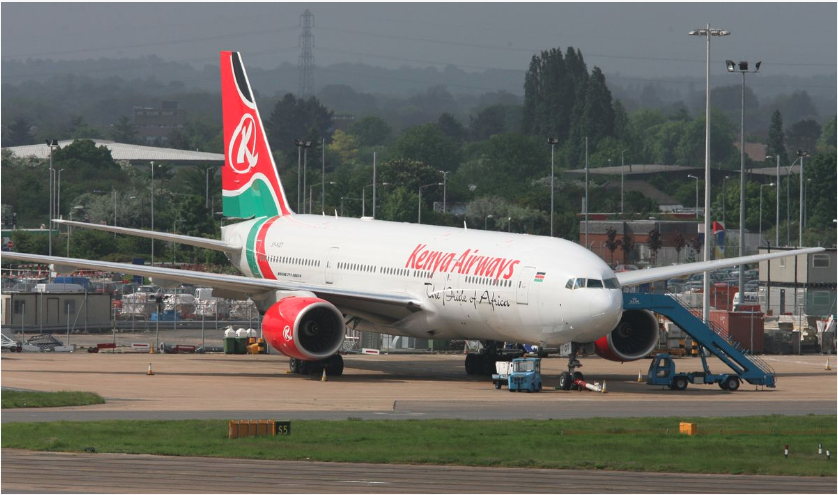
Recent operational disruptions at Cape Town International Airport (CPT) have sent ripples through the travel industry, prompting investors and travelers alike to reassess their plans and strategies. On Tuesday evening, Airports Company South Africa (Acsa) reported that all inbound flights to CPT were being diverted to alternative airports due to an incident involving a Kenya Airways flight that suffered a tyre failure upon landing. This situation highlights the fragility of air travel operations and its broader implications on the tourism and aviation sectors.
The incident occurred around 15h25 when Kenya Airways flight KQ784 landed but was unable to clear the runway due to a malfunction. As a result, Acsa confirmed that all flights arriving at CPT would be redirected, causing significant disruptions not only for passengers but also for airlines and airport operations. While domestic flights continue to operate, international departures on wide-body aircraft have been temporarily halted.
The immediate effect of this situation has been pronounced, with at least 21 flights being diverted as per FlightRadar’s tracking data. Cape Town has rapidly ascended to the top of the tracker’s airport disruption list, signaling a significant operational challenge for the airport. FlySafair, South Africa’s largest domestic airline, noted that low visibility conditions have further complicated the situation, rendering the secondary runway unusable. This has led to additional delays, holding patterns, and diversions for various flights, emphasizing the compounded nature of the disruption.
Understanding the operational dynamics of an airport is crucial for investors and stakeholders in the aviation and tourism industries. When incidents like this occur, they not only disrupt travel but can also affect the financial performance of airlines and airports. For instance, prolonged operational issues can lead to decreased passenger throughput, affecting revenue generation for airlines and ancillary businesses such as airport vendors and car rental services.
Key takeaways from this incident include the importance of contingency planning for airlines and the need for robust communication strategies. Travelers should always remain updated on their flight statuses and be prepared for potential delays or diversions. For airlines, maintaining a flexible operational framework is essential to navigate such unexpected events effectively.
For investors, this incident serves as a reminder of the inherent risks associated with investing in the aviation sector. While the long-term outlook for air travel remains positive, short-term disruptions can lead to volatility in stock prices and investor sentiment. Companies that can adapt quickly to operational challenges and maintain excellent customer service during disruptions are likely to emerge stronger in the long run.
Additionally, the incident underscores the importance of technological and infrastructural investments in airports. Acsa has previously announced a significant R10 billion overhaul of Cape Town International Airport, which could enhance operational resilience and passenger experience. Investors might want to keep an eye on these developments, as improvements in infrastructure could mitigate risks associated with operational disruptions in the future.
In conclusion, the recent operational disruptions at Cape Town International Airport serve as a crucial reminder of the vulnerabilities within the aviation industry. For travelers, staying informed and prepared is key to navigating such unexpected situations. For investors, understanding these risks and monitoring the responses of airlines and airport authorities can provide valuable insights into the stability and growth potential of the sector. As the industry continues to recover and adapt, being proactive and strategic will be essential for both travelers and investors alike.