
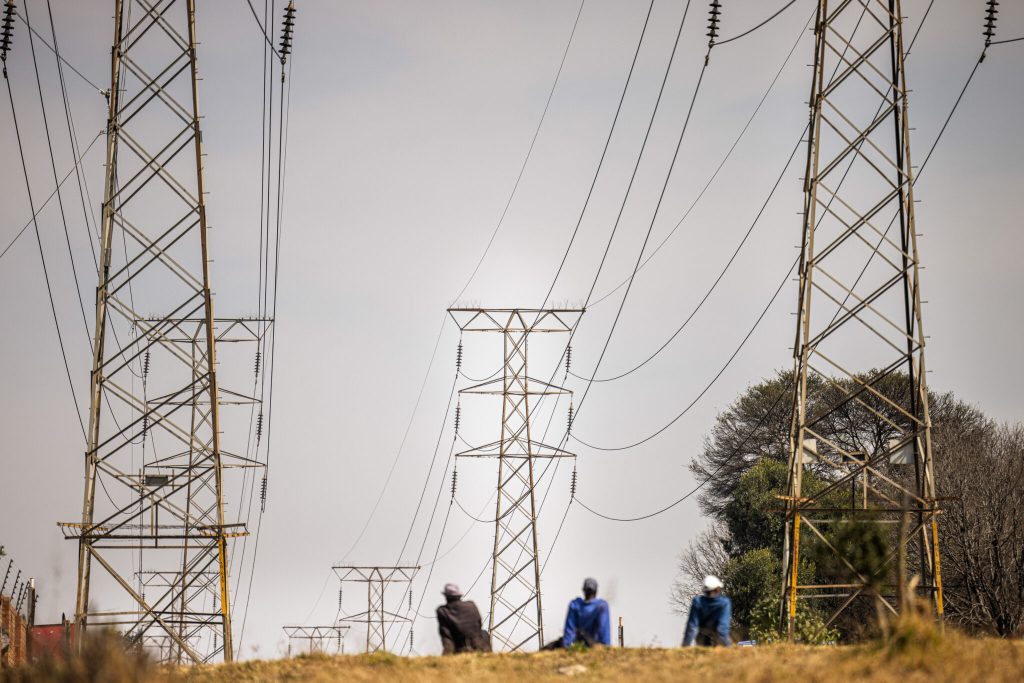
In recent months, the financial landscape of South Africa’s municipalities has become increasingly concerning, particularly in relation to their debts to Eskom, the country’s primary electricity supplier. With arrear debts soaring to a staggering R119 billion, the South African Local Government Association (Salga) has taken a proactive step by appealing to the National Treasury for a six-month extension for 14 municipalities that are in default. This request highlights the urgent need for effective solutions that can stabilize municipal finances and ensure reliable energy supply, a critical service for local communities.
The crux of this issue revolves around the Distribution Agency Agreements (DAAs), which were introduced by Eskom as a mechanism to manage municipal electricity operations more effectively. Despite these agreements being backed by the National Treasury, only three municipalities have successfully signed on to them, raising questions about their viability and efficacy. With a deadline looming for the 14 municipalities to formalize their agreements with Eskom by September 1st, the stakes have never been higher. Failure to meet this deadline could result in their removal from the National Treasury’s debt relief program, a move that would further exacerbate their financial difficulties.
Understanding the Distribution Agency Agreements
The Distribution Agency Agreements are intended to provide a framework for Eskom to assume responsibility for electricity distribution in struggling municipalities. By doing so, it is hoped that Eskom can alleviate the burden of unpaid debts while ensuring a consistent power supply to residents. However, the implementation of these agreements has not been straightforward. The existing contracts have come under scrutiny, with National Treasury criticizing their terms as disproportionately favoring Eskom. This situation has led to a standstill in negotiations, as a task team composed of various stakeholders, including Eskom and the Department of Cooperative Governance and Traditional Affairs, has struggled to reach a consensus on necessary amendments to the agreements.
Salga has taken an assertive stance on the matter, stating that a legal opinion they obtained confirms the necessity for municipalities to adhere to the procedures outlined in Section 78 of the Municipal Systems Act. This legislation mandates a comprehensive assessment of whether services should be delivered internally or through an external agency, like Eskom. This process includes extensive community consultation and a rigorous feasibility study, which evaluates financial, technical, and legal factors. It is clear that without following these protocols, municipalities may face legal challenges, as evidenced by the ongoing disputes surrounding the DAAs already in place.
Key Takeaways
1. The financial health of South African municipalities is critical, particularly in relation to their debts to Eskom, which now exceed R119 billion.
2. Distribution Agency Agreements (DAAs) are intended to facilitate better management of electricity distribution but have met with significant challenges.
3. National Treasury aims to increase the number of municipalities involved in DAAs, yet only three agreements have been successfully executed to date.
4. Legal requirements under the Municipal Systems Act must be adhered to for DAAs to be considered lawful, which has created hurdles in formalizing agreements.
5. The impending deadline for 14 defaulting municipalities poses a significant risk, as failure to comply could result in their exclusion from important debt relief programs.
Insights for Traders and Investors
For those involved in trading or investing in utilities and municipal bonds, the situation presents a complex landscape. The precarious financial condition of municipalities may lead to increased volatility in municipal bond markets, particularly if default risks escalate. Investors should closely monitor developments surrounding the DAAs, as the outcomes will influence the ability of municipalities to manage their debts and, consequently, affect the stability of their bond ratings.
Moreover, the ongoing negotiations and potential restructuring of agreements between Eskom and municipalities could open up opportunities for private sector involvement, particularly if Eskom begins to compete for service delivery contracts. Stakeholders in the energy sector should be alert to these dynamics, as the evolving regulatory framework could create new avenues for investment.
Conclusion
The saga of South African municipalities and their debts to Eskom epitomizes the challenges facing local governance in a struggling economy. As Salga seeks to secure a grace period for defaulting municipalities, the broader implications of these financial arrangements are sure to reverberate throughout the utility sector and municipal finance markets. Stakeholders must remain vigilant as the situation unfolds, as effective solutions are needed to restore financial stability and ensure reliable energy services for communities across South Africa. Without decisive action and adherence to legal frameworks, the risk of further financial turmoil looms large, underscoring the importance of sound governance and fiscal responsibility.