
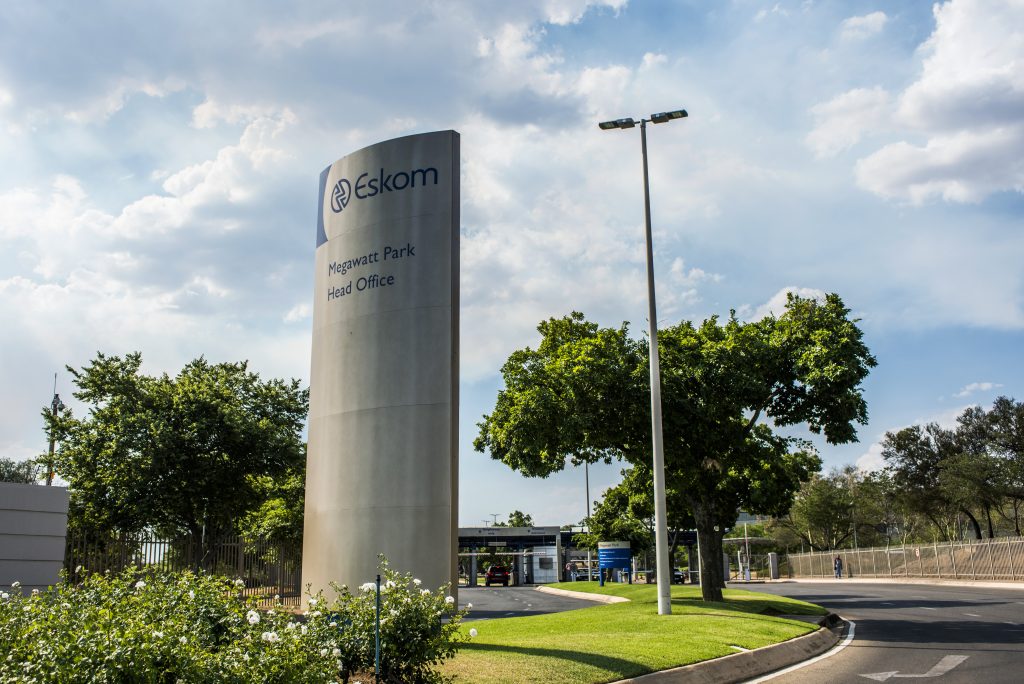
In a significant turn of events, South Africa is set to embark on a transformative journey aimed at restructuring its state-owned power utility, Eskom. This ambitious initiative, spearheaded by President Cyril Ramaphosa and the National Treasury, involves the creation of an independent Transmission System Operator (TSO) that will operate separately from Eskom. As the nation grapples with its ongoing energy crisis, this plan represents a pivotal moment in the quest for a more competitive and sustainable electricity market.
The decision to spin off Eskom’s transmission division comes amidst increasing pressure to enhance private-sector participation in the energy market. Eskom has long been the backbone of South Africa’s electricity supply, yet its financial struggles and operational inefficiencies have raised alarms about its viability. By establishing a TSO, the government hopes to not only improve the efficiency of electricity transmission but also attract private investment, which is crucial for revitalizing the sector.
At the heart of this restructuring is the acknowledgment of Eskom’s financial challenges. The National Treasury’s Director-General, Duncan Pieterse, emphasized that the restructuring process will be meticulously designed to ensure that Eskom remains financially sustainable post-split. This is particularly important given that the transmission division is one of the utility’s most profitable segments, and its separation could impact Eskom’s overall financial health and the government guarantees that back its substantial debt.
Key points to understand about this restructuring initiative include:
1. **Creation of an Independent TSO**: The establishment of the TSO aims to streamline the transmission of electricity and create a platform that encourages private sector investment. This step is critical in addressing South Africa’s energy supply issues and fostering a more competitive environment.
2. **Careful Financial Management**: The National Treasury is committed to ensuring that the restructuring does not worsen Eskom’s financial position. This involves strategic planning and possibly obtaining consent from bondholders, as significant changes to Eskom’s structure could alter the risk profile of its credit, impacting its existing obligations.
3. **Sustainability Focus**: Both the TSO and Eskom must be sustainable entities post-restructuring. This dual focus is crucial to maintain investor confidence and secure the necessary funding for future operations and expansion.
4. **Stakeholder Engagement**: The National Treasury is aware of the complexities involved in this transition. Engaging with lenders and stakeholders throughout the process will be essential to ensure a smooth and successful restructuring.
For traders and investors, this restructuring presents both challenges and opportunities. Understanding the implications of creating an independent TSO is vital for those with interests in the energy sector. The potential for increased private investment could lead to innovation and improvements in efficiency within the electricity market. However, investors must also remain cautious about the risks associated with Eskom’s ongoing financial struggles and the potential for bondholder dissent regarding the restructuring.
As the restructuring process unfolds, it will be important for market participants to monitor how the separation of the transmission division impacts Eskom’s overall financial health and its ability to service its debt. Additionally, observing how the establishment of the TSO affects electricity prices and competition in the market will provide valuable insights.
In conclusion, South Africa’s decision to spin off Eskom’s transmission subsidiary into an independent TSO marks a critical step towards revitalizing its energy sector. This restructuring has the potential to enhance the efficiency of electricity transmission, attract private investment, and ultimately create a more competitive market. However, it also presents significant challenges that must be navigated with care to ensure that Eskom remains viable and that the interests of all stakeholders, including bondholders, are adequately addressed. As this situation develops, it will undoubtedly be a focal point for investors and analysts alike, highlighting the intricate balance between public utility management and market-driven growth.