
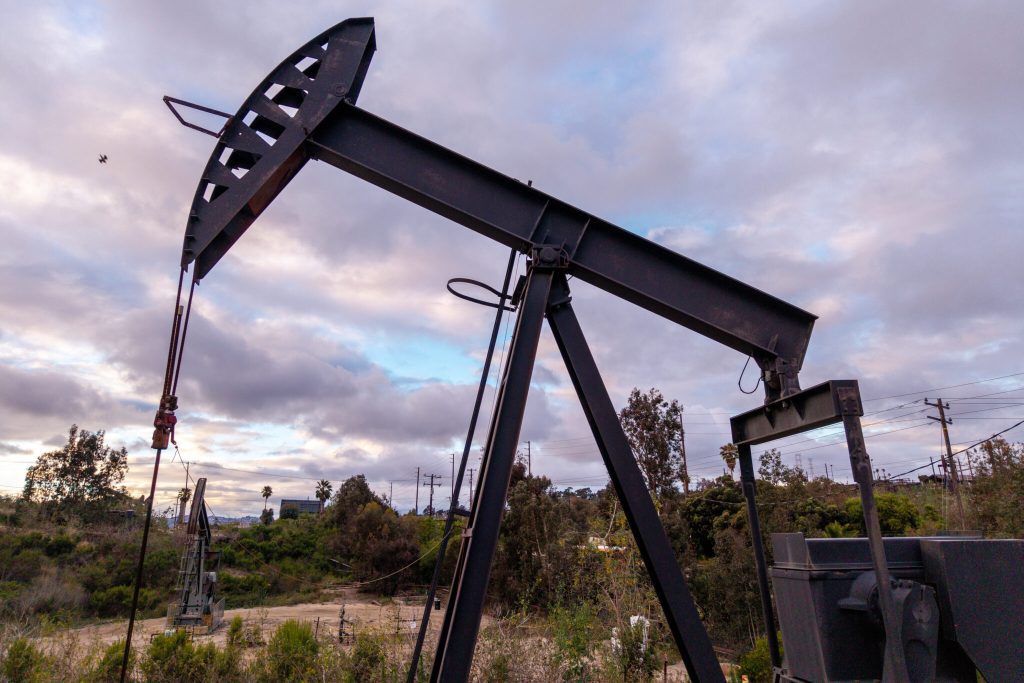
The oil market is once again in the spotlight as prices experience a notable decline, largely driven by geopolitical developments surrounding the Strait of Hormuz, a critical passage for global oil shipments. As prices for Brent crude dip below $79 a barrel and West Texas Intermediate hovers around $75, investors and traders are keenly observing the unfolding situation. Recent optimism surrounding potential negotiations to reopen this vital waterway has fueled market movements, prompting a closer examination of the intricacies involved.
The Strait of Hormuz, a narrow passage linking the Persian Gulf to the Arabian Sea, serves as a crucial artery for oil transport, with a significant portion of the world’s oil supply traversing through it. The recent dip in oil prices can be traced back to a series of developments that suggest a thaw in US-Iran tensions. Reports indicate that an interim agreement may be in the works, with both the United States and Iran signaling progress in discussions aimed at re-establishing safe passage for vessels in the strait. On the diplomatic front, Qatar has stepped in as a mediator, drafting a proposal that could potentially pave the way for a 60-day agreement, allowing vessels to navigate the strait without incurring tolls.
In recent statements, US President Donald Trump expressed optimism regarding the negotiations, asserting that discussions are progressing well and that more details might emerge soon. The prospect of a deal, albeit temporary, has sparked a shift in market sentiment. Traders are reacting to the idea that a resolution could alleviate some immediate concerns over supply disruptions, leading to a sell-off in oil prices. This reaction reflects the market’s sensitivity to geopolitical risks, which often have immediate and pronounced impacts on commodity prices.
However, while the optimism surrounding a potential deal is palpable, it is essential to recognize the complexities involved. Robert Yawger, a director at Mizuho Securities USA, suggests that while a short-term agreement may be reached, it is unlikely to resolve the broader issues at play, particularly concerning Iran’s nuclear program. The historical context of US-Iran relations indicates that even if a ceasefire is established, it may not be sustainable in the long run. The previous ceasefire, which lasted less than a month, serves as a cautionary tale of how quickly tensions can escalate again.
Key takeaways from this situation include the following:
1. **Geopolitical Risk and Oil Prices**: The oil market remains highly susceptible to geopolitical developments. Any indication of progress in US-Iran negotiations can lead to significant price fluctuations.
2. **Short-Term Solutions vs. Long-Term Stability**: While temporary agreements may provide a reprieve from immediate supply concerns, they often fail to address the underlying issues that result in volatility.
3. **Market Sentiment Influences**: The market’s reaction to news and developments can be swift, reflecting the importance of sentiment in driving commodity prices.
For traders and investors, the current landscape presents both opportunities and challenges. Those who are adept at reading geopolitical signals may find profitable positions by anticipating price movements based on news related to the Strait of Hormuz. However, caution is advised, as the situation remains fluid, and any misstep could lead to unexpected losses.
In conclusion, the recent decline in oil prices underscores the intricate interplay between geopolitical events and market dynamics. As discussions continue regarding the reopening of the Strait of Hormuz, traders must remain vigilant and informed, ready to react to the evolving situation. While optimism about a potential deal is warranted, the complexities of US-Iran relations and the historical context of their interactions remind us that the path to stability in the oil market is fraught with uncertainty. As we look ahead, the ability to navigate these turbulent waters will be crucial for anyone involved in the oil trading or investment landscape.