
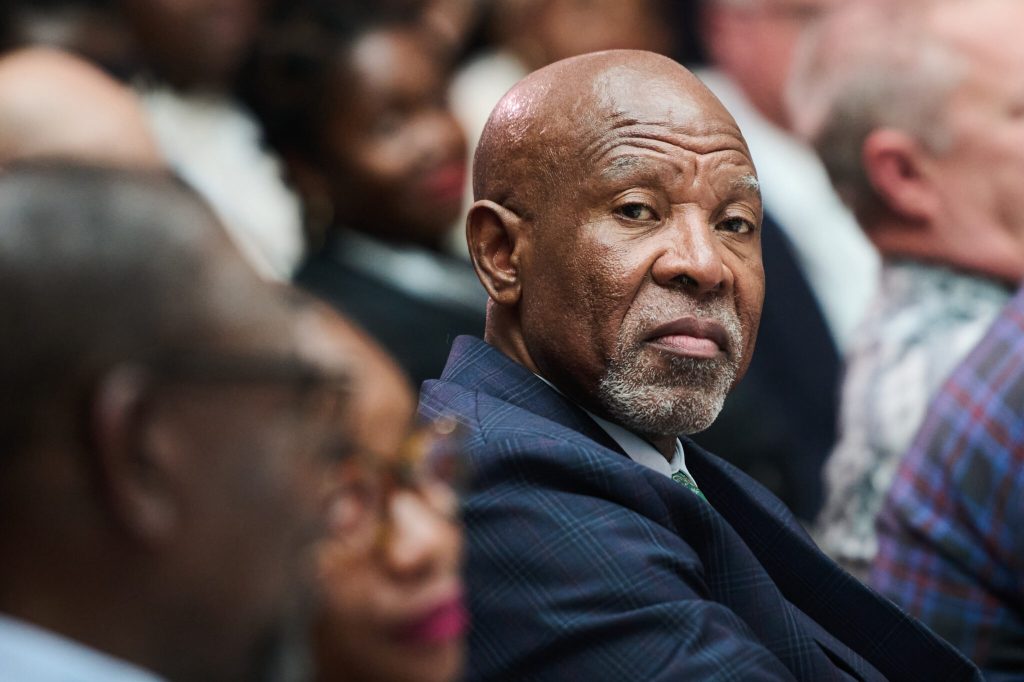
In a recent address at the University of South Africa, Lesetja Kganyago, the Governor of the South African Reserve Bank, delivered a compelling message about the necessity for the nation to embrace risk in order to stimulate economic growth and achieve fiscal sustainability. His remarks shed light on a critical dilemma: while South Africans are often willing to gamble in leisure activities, they shy away from taking necessary risks in the realm of economic development. This reluctance is hindering the country’s potential for growth, which has stagnated at less than 1% annually for over a decade.
South Africa’s economic landscape has been marred by a combination of corruption, inefficiencies in crucial sectors, and a legacy of mismanagement that has left the nation grappling with stagnant progress. Kganyago’s speech urges a shift in mindset—moving from cautiousness to boldness in investment and policy decisions. This blog post will delve into the essential takeaways from Kganyago’s remarks, exploring the implications for traders, investors, and the broader economic landscape.
The core of Kganyago’s argument is straightforward: economic growth requires a willingness to take risks. He pointed out that the nation seems to be at a crossroads, where the desire for growth exists, yet the actions to realize that growth are lacking. He emphasized the need for straightforward growth without the qualifiers that often accompany discussions about the type of growth that is acceptable or desirable. Simply put, he advocates for a more aggressive approach to fostering economic expansion, one that acknowledges the inherent uncertainties and challenges that come with any ambitious endeavor.
Despite the ongoing efforts to implement reforms through initiatives like Operation Vulindlela, progress has been sluggish. Kganyago identified “state capture” during the presidency of Jacob Zuma as a significant barrier to growth. This term describes a situation where state institutions are manipulated for personal gain, leading to widespread corruption and inefficiency. The repercussions of such actions have severely undermined the capacity of national governance and crippled state-owned enterprises, leading to failures that are evident at the municipal level.
For South Africa to break free from its current economic malaise, Kganyago argues that it must accept the uncomfortable truth that growth often involves taking risks. This perspective challenges a culture of cautiousness that has become ingrained among those in power and wealth. The reluctance to take bold actions can be attributed to fears of the unknown and the potential for failure, but Kganyago asserts that without risk, progress will remain elusive.
Key points to take away from Kganyago’s address include:
1. **Embrace Risk for Growth**: Economic growth requires a willingness to take risks. This could involve investing in new sectors, embracing innovative technologies, or reforming outdated policies.
2. **Reform is Underway but Slow**: Initiatives like Operation Vulindlela are steps in the right direction, but their impact has yet to be fully realized. Continuous effort is needed to ensure these reforms lead to tangible results.
3. **Combatting Corruption**: Addressing the legacy of state capture and the inefficiencies it has created is crucial for rebuilding trust in institutions and facilitating growth.
4. **Shift in Mindset**: There must be a cultural shift among leaders and investors, moving away from a risk-averse mentality toward one that recognizes the necessity of taking calculated risks for the greater good.
For traders and investors, Kganyago’s insights present both challenges and opportunities. A willingness to embrace risk can lead to potentially lucrative investments, particularly in emerging sectors that may have been overlooked due to historical caution. This attitude could prompt increased activity in the stock market and other financial instruments as investors seek to capitalize on new growth avenues.
In conclusion, Lesetja Kganyago’s call to action is a powerful reminder that economic progress often requires stepping into the unknown. For South Africa, the path forward hinges on leaders and citizens alike being willing to confront their fears and embrace the risks associated with growth. As the nation seeks to revitalize its economy, the focus must shift from a culture of hesitation to one of bold, decisive action. Only then can South Africa hope to achieve the economic resurgence it so desperately needs.