
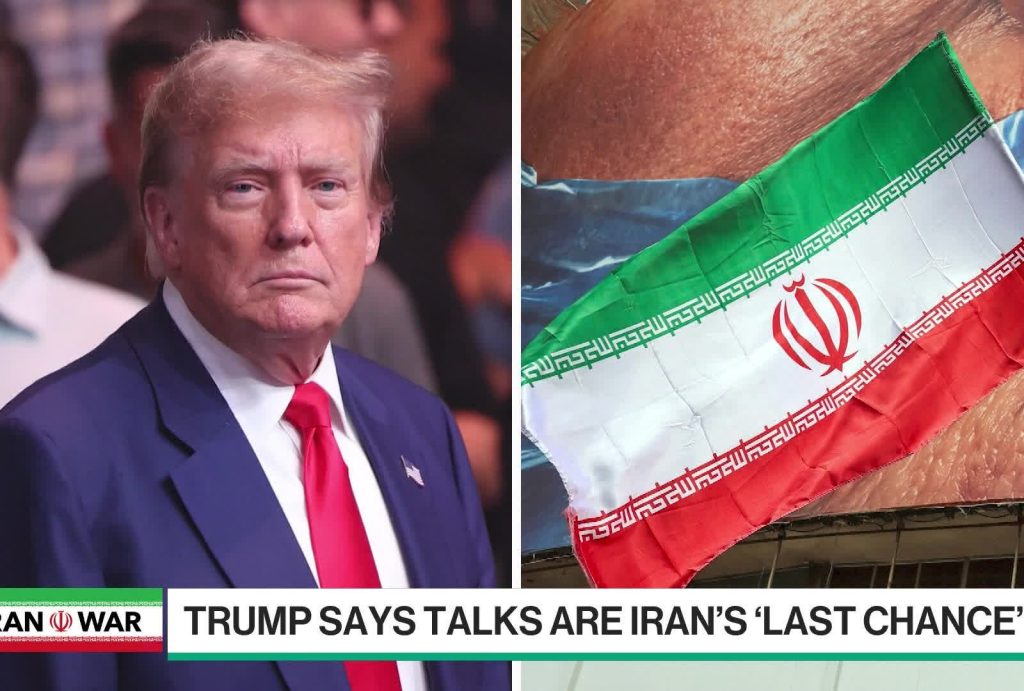
In an era where geopolitical tensions can dramatically influence global markets, the Strait of Hormuz has emerged as a focal point for diplomatic negotiations. Recent developments suggest that an agreement aimed at de-escalating tensions between the United States and Iran might be on the horizon. This potential deal, which centers around the vital shipping lane, has garnered attention, not just for its geopolitical implications but also for its potential impact on global energy markets.
The Strait of Hormuz is a critical waterway through which approximately 20% of the world’s oil passes. Any disruption in this passage can lead to significant fluctuations in oil prices, affecting economies worldwide. Recently, Qatar has taken a leading role in facilitating discussions between American and Iranian officials, with both sides expressing cautious optimism about the possibility of reopening this vital shipping route. President Donald Trump himself has indicated that negotiations are progressing, hinting that a meaningful resolution could emerge in the next few days.
Details of the proposed agreement have begun to surface, with reports suggesting a 60-day framework that would allow for the safe transit of ships through the Strait. Under this plan, incoming vessels would navigate a northern lane close to Iranian waters, while outbound traffic would take a route through Omani waters. Notably, there would be no fees or tolls charged during this period, which may encourage compliance from shipping companies wary of the risks involved in navigating these waters. Additionally, Iran and Oman are reportedly discussing the removal of mines in the central shipping lane, enhancing safety for all vessels.
From a market perspective, the anticipation surrounding this potential agreement has already shown signs of impact. For instance, Brent crude oil prices fell below $79 per barrel as optimism grew over the likelihood of a deal. This reflects the sensitivity of oil markets to geopolitical developments, where even the prospect of improved relations can lead to significant price adjustments. The proposed agreement could serve to stabilize the commercial shipping landscape in the Strait of Hormuz, reducing the likelihood of renewed hostilities in the region.
However, while the prospect of a short-term deal is encouraging, it’s essential to approach this situation with caution. Historical patterns suggest that previous ceasefires and agreements have often faltered due to underlying tensions and disagreements. The prior ceasefire between the U.S. and Iran lasted less than a month, collapsing over disputes related to control of the Strait. This backdrop raises concerns that even if a new agreement is reached, it may not bring lasting peace or resolve deeper issues, such as apprehensions regarding Iran’s nuclear ambitions.
Key points to consider:
1. The Strait of Hormuz is a strategic conduit for global oil supplies, and any disruption can lead to significant price fluctuations.
2. Qatar’s involvement as a mediator indicates a collaborative effort to ease tensions between the U.S. and Iran.
3. The proposed 60-day agreement would allow for safe shipping routes without tolls and potentially remove mines, enhancing safety.
4. While optimism is growing, historical precedents caution against assuming that a new agreement will be stable or comprehensive.
For traders and investors, the evolving situation in the Strait of Hormuz provides both opportunities and risks. For those engaged in oil markets, the short-term fluctuations in crude prices may present trading opportunities; however, the inherent volatility stemming from geopolitical tensions means that caution is advised. Investors should closely monitor developments, as the potential for renewed conflicts or breakdowns in agreements could reverse any positive momentum.
In conclusion, the potential agreement surrounding the Strait of Hormuz represents a critical juncture in U.S.-Iran relations and global energy markets. While the initial signs are promising, the historical context of these negotiations reminds us that the path to lasting peace is fraught with challenges. For market participants, understanding the dynamics at play will be essential for navigating the complexities of this situation. As we await further developments, keeping an eye on the geopolitical landscape will be crucial for making informed investment decisions in the coming weeks.