
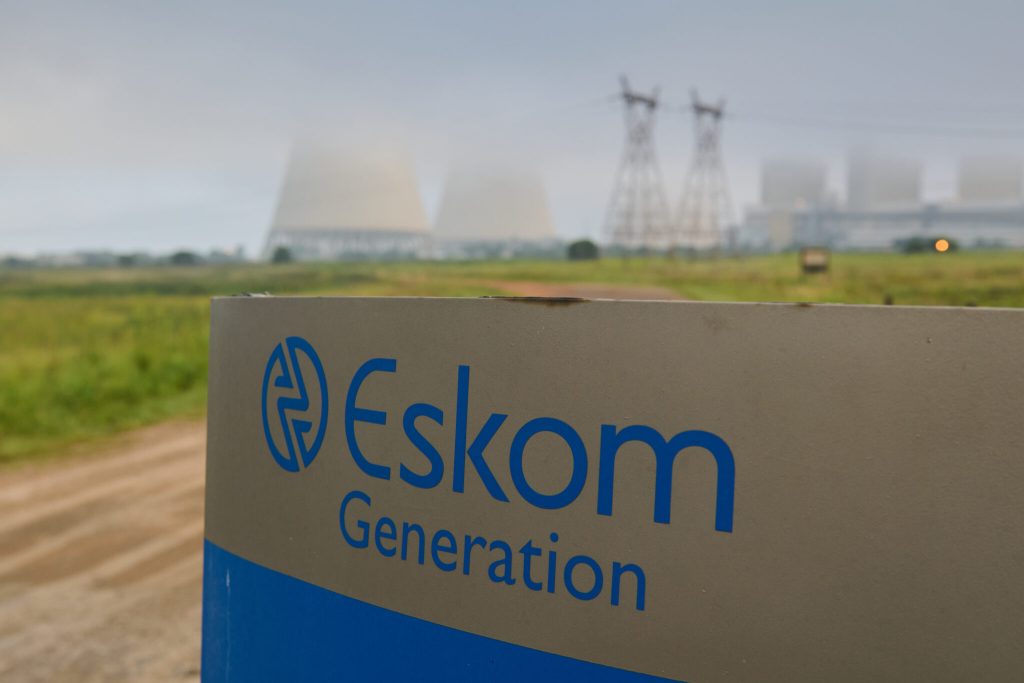
In a bold initiative aimed at revitalizing its energy sector, South Africa is taking significant steps to restructure its state-owned power utility, Eskom. This move is not just about financial engineering; it represents a pivotal moment in the country’s journey toward greater energy independence and market efficiency. President Cyril Ramaphosa has put his weight behind the plan to establish an independent transmission system operator (TSO), which is expected to enhance private sector participation in the electricity market. As the National Treasury prepares to engage with lenders and financial advisors, there are numerous implications for the power utility, the economy, and investors alike.
At the heart of this restructuring is the intention to carve out Eskom’s transmission division, which is seen as the utility’s most profitable segment. By doing so, the government aims to create a more competitive landscape in the electricity sector, one that can attract private investment and reduce the reliance on a single state-owned entity. However, this approach is not without its challenges. The separation raises critical questions about Eskom’s long-term financial health and the implications for the government guarantees that currently back a substantial portion of its debt.
Duncan Pieterse, the Director General of the National Treasury, is spearheading the restructuring efforts. He emphasizes the importance of ensuring that the transition does not jeopardize Eskom’s sustainability. “The transaction is being carefully designed to ensure that Eskom is left no worse off,” he stated during a recent interview. The focus on maintaining the viability of both Eskom and the new TSO is essential, as any disruption could have significant repercussions for the broader economy.
One of the key considerations in this process is the extensive debt that Eskom carries, which is currently guaranteed by the South African government to the tune of approximately R330 billion (around $20 billion). As the restructuring unfolds, it will be critical to navigate the existing covenants and agreements associated with this debt. Financial analysts are stressing the need for a transparent and methodical approach to debt restructuring to avoid potential pitfalls. Raphi Rootshtain, a lead portfolio manager at Otto1890 Asset Management, underscores the complexity of the situation, noting that “there will be a need to somehow restructure that debt in order to be able to move ahead.”
The successful establishment of the TSO hinges on careful planning and market engagement. The government recognizes that the process must be transparent to gain the trust and support of bondholders and other stakeholders. The restructuring is anticipated to be a complex balancing act, where the interests of Eskom’s various divisions and the expectations of investors must be aligned.
For traders and investors, this restructuring presents both opportunities and risks. On one hand, the creation of a TSO could lead to a more competitive electricity market that may improve pricing and efficiency. This could attract new players and increase investment in the sector, offering potential growth opportunities for stakeholders. On the other hand, the uncertainty surrounding Eskom’s financial health during this transition may lead to increased volatility in the utility’s bonds and stocks. Investors will need to closely monitor developments and be prepared for potential fluctuations in market sentiment as the restructuring progresses.
As the South African government embarks on this ambitious endeavor, the implications extend beyond the energy sector. The future of Eskom is closely tied to the broader economic landscape, with energy reliability being a critical factor for growth. Successfully navigating this restructuring could not only stabilize Eskom but also rejuvenate investor confidence in South Africa’s economic prospects.
In conclusion, the restructuring of Eskom and the establishment of an independent transmission system operator represent a significant turning point for South Africa’s energy landscape. As the National Treasury begins negotiations with lenders and advisors, the focus will be on ensuring that this transition is managed with care and transparency. While there are inherent risks and challenges, the potential benefits of a more competitive and efficient electricity market could lead to long-term economic growth. Stakeholders, including investors and traders, will need to stay informed and agile as this process unfolds, navigating the complexities of Eskom’s future with caution and optimism.