
In a remarkable financial showcase, Glencore Plc has reported a significant increase in profits, attributed largely to soaring commodity prices and a booming trading unit. This surge comes in the wake of geopolitical tensions, particularly the ongoing conflict in Iran, which has created unprecedented disruptions in energy markets. As a result, commodity trading houses like Glencore are experiencing substantial windfall profits, underscoring the intricate relationship between global events and market dynamics.
The commodities market is a complex web of supply and demand, continually influenced by external factors such as geopolitical conflicts, economic policies, and technological advancements. In recent months, the war in the Middle East has had a profound impact on energy prices, particularly crude oil. The Strait of Hormuz, a critical passage for oil shipments, was effectively shut down in late February due to the conflict, leading to significant price increases. Traders found themselves in a position to capitalize on these disruptions, resulting in a lucrative environment for companies like Glencore.
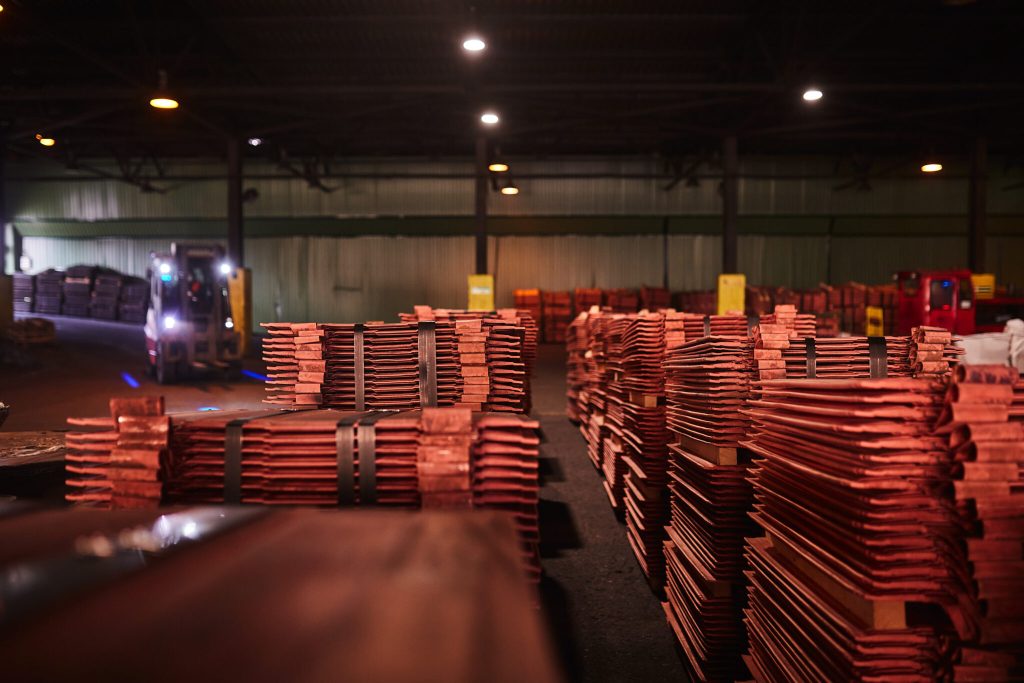
In the first half of the year, Glencore reported core earnings of $10.1 billion, reflecting an impressive 86% increase compared to the same period last year. This surge can be attributed not only to the increase in energy prices but also to the company’s strong performance in coal and copper trading. Coal, which has consistently been one of Glencore’s top earners, saw earnings jump by 35% to $2.4 billion. Meanwhile, copper prices reached record highs, buoyed by demand from various sectors, including technology and manufacturing, as well as external factors like trade tariffs.
One of the standout features of Glencore’s recent financial performance is its trading division, which alone generated $3.3 billion in profits during the first half of the year. This segment has been instrumental in providing Glencore with a competitive edge over its rivals, such as Rio Tinto and Anglo American Plc, who have also reported strong results but lack the same level of exposure to trading and coal. The unique positioning of Glencore allows it to navigate market fluctuations more adeptly, capitalizing on opportunities that arise from geopolitical upheaval.
In response to its impressive earnings, Glencore announced a plan to return an additional $1.5 billion to shareholders, including a $1 billion special distribution and a $500 million share buyback. This move reflects the company’s commitment to enhancing shareholder value and improving its stock performance. Additionally, Glencore has expressed intentions to pursue a secondary listing in Australia, driven by investor interest and the potential to tap into a larger pool of capital. CEO Gary Nagle emphasized the strategic importance of this listing, stating that it could facilitate future mergers and acquisitions with Australian-listed companies.
The backdrop of Glencore’s success includes the collapse of merger talks with Rio Tinto, which would have created a mining giant. While discussions ended without an agreement, they highlighted Glencore’s aspirations to strengthen its market position and explore new growth avenues. Analysts have noted that the pursuit of an Australian listing could enhance liquidity and provide more flexibility for future strategic moves.
For traders and investors, Glencore’s performance serves as a reminder of the opportunities available in volatile markets. The company’s ability to adapt to changing conditions, particularly in energy and commodity prices, showcases the importance of agility and foresight in trading. Investors should keep a close eye on geopolitical developments and market trends, as these factors can significantly impact commodity prices and overall market sentiment.
In conclusion, Glencore’s robust profit growth amid global turmoil underscores the interconnectedness of geopolitical events and commodity markets. The company’s strategic moves, including its focus on shareholder returns and potential secondary listing, position it well for future growth. As the landscape of global commodity trading continues to evolve, investors and traders alike should remain vigilant, ready to capitalize on the opportunities that arise from both challenges and changes in the market. With a keen eye on developments in energy prices and geopolitical tensions, stakeholders can navigate this dynamic environment and make informed investment decisions that align with their financial goals.