
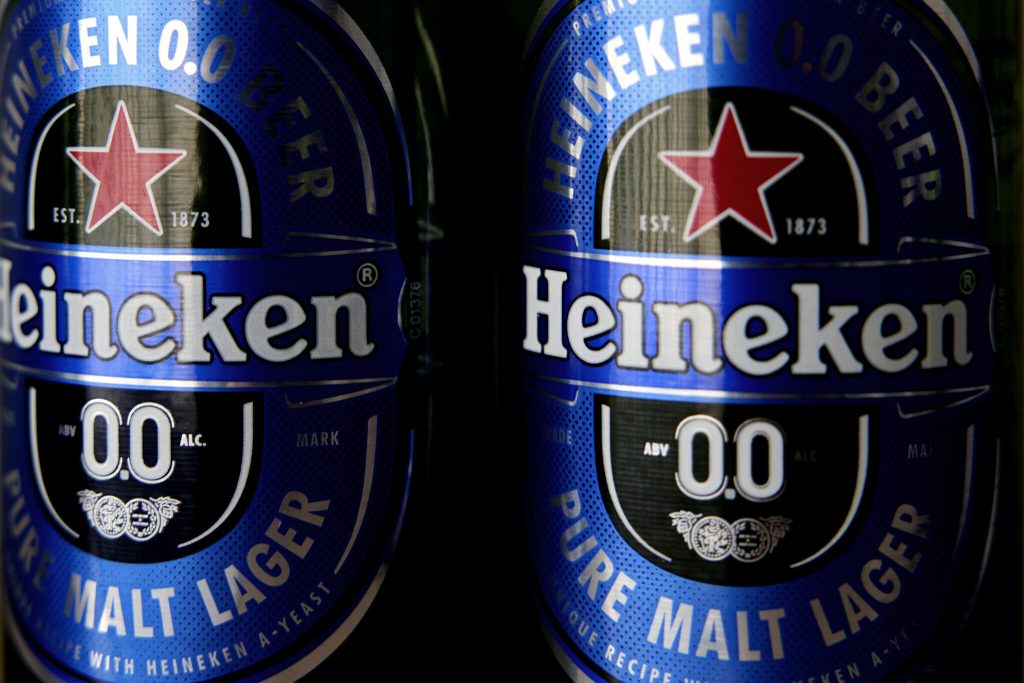
In a surprising turn of events, Heineken NV has announced a modest increase in its beer volumes for the second quarter, defying analysts’ expectations. As the global beverage market grapples with various challenges, the Dutch brewer has managed to leverage strong demand in emerging markets, particularly in Asia and Africa, to offset sluggish sales in more mature markets like Europe and the Americas. This blog post delves into Heineken’s recent performance, the factors driving its growth, and what this means for investors and traders in the beverage sector.
Heineken’s second-quarter report revealed that consolidated volumes increased by 0.9% on an organic basis, contrary to predictions that anticipated a slight decline. When accounting for beer sales from its licensed partners, total organic volumes surged by 1.9%. This unexpected uptick is particularly significant as it comes at a time when the company is preparing for a leadership transition, with Rafael Oliveira set to take the helm in October. Oliveira’s arrival marks a pivotal moment for Heineken, as he will be the first external CEO to lead the company, stepping in during a period marked by challenges in the traditional beer markets of Europe and North America.
The brewing giant’s recent success is largely attributed to its robust performance in emerging markets. The demand for beer in regions such as Asia-Pacific and Africa has been a critical driver of sales, buoyed by rising disposable incomes and changing consumer preferences. In the second quarter, Heineken reported a staggering 13% increase in volumes in Asia-Pacific and a 3.5% increase in Africa and the Middle East. However, this growth narrative starkly contrasts with the woes the company is facing in the Americas, where sales plummeted by 4.1%.
One notable aspect of Heineken’s current strategy is its ongoing cost-cutting initiative. This includes a significant reduction of its global workforce, with plans to cut approximately 5,000 to 6,000 jobs, which accounts for nearly 7% of its total employees. The company has already made strides in this regard, having laid off around 3,000 full-time employees in the first half of the year. Such measures reflect Heineken’s commitment to streamline operations and adapt to the changing landscape of consumer preferences, particularly as more individuals are curtailing their alcohol consumption in response to rising living costs.
Heineken’s financial performance remains stable, with an adjusted operating profit of €2.17 billion (approximately $2.5 billion) in the first half of the year, aligning with market expectations. Nevertheless, the company’s Chief Financial Officer, Harold van den Broek, acknowledged the challenges faced in the Americas, noting that they have lost market share to competitors. This is particularly relevant as rival brewers, such as Anheuser-Busch InBev, have reported strong demand for their products, especially during significant events like the recent soccer World Cup.
With the new CEO not taking charge until October, and amid ongoing geopolitical uncertainties, analysts from Jefferies have indicated that Heineken’s guidance for the year remains unchanged, projecting an operating profit growth of between 2% and 6%. These estimates are based on the assumption that global energy trade disruptions will be temporary, a sentiment that highlights the cautious optimism that pervades the industry in light of recent global events.
For traders and investors, Heineken’s recent performance presents a mixed bag of opportunities and challenges. On one hand, the positive growth in emerging markets showcases the potential for future expansion and profitability. On the other hand, the company’s struggles in the Americas and its ongoing restructuring efforts raise questions about its ability to regain lost market share and adapt to shifting consumer trends.
In conclusion, Heineken NV’s unexpected growth in the second quarter serves as a testament to the resilience of the brand in the face of global challenges. As the company navigates a transitional phase with a new CEO on the horizon, it is essential for stakeholders to closely monitor the developments in both emerging and mature markets. While the current trajectory appears promising, the brewing giant must continue to innovate and adapt in order to secure its position in an increasingly competitive landscape. Investors and traders should remain vigilant, as the coming months will undoubtedly shape the future of Heineken and the broader beverage industry.