
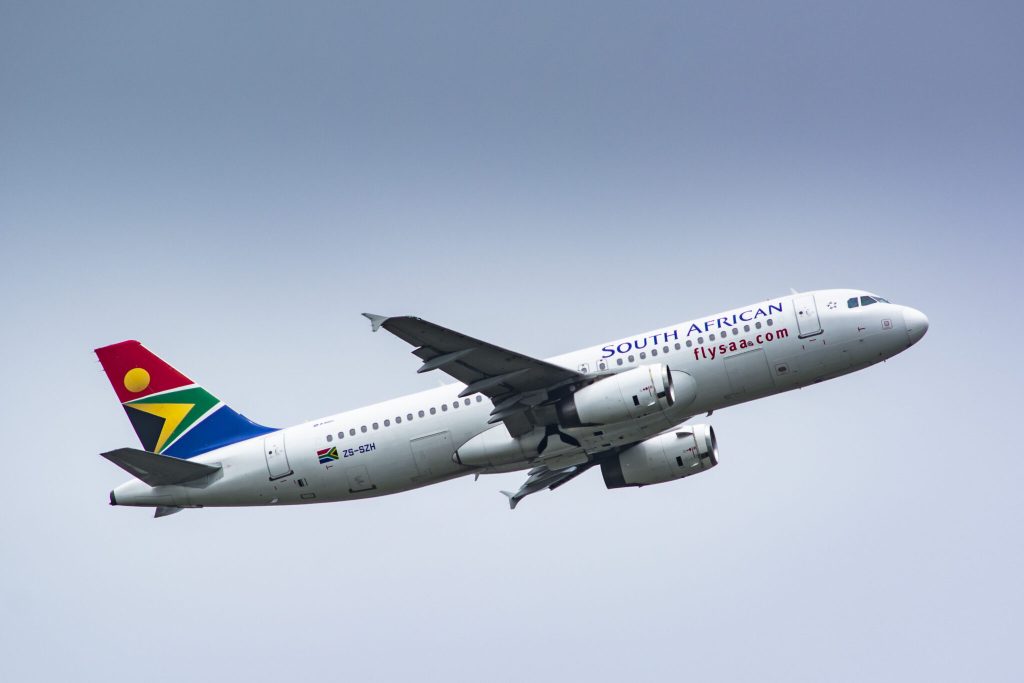
In an exciting development for travelers and the aviation industry alike, Emirates and South African Airways (SAA) have formalized their long-standing partnership through a new reciprocal codeshare agreement. This move, which has garnered necessary regulatory approvals, marks a significant shift in their commercial relationship, allowing Emirates to enhance its service offerings across key African routes operated by SAA. As both airlines strive to expand their market presence and improve customer experiences, this initiative is poised to reshape travel connectivity in the region.
At its core, the reciprocal codeshare agreement fundamentally alters how these two airlines collaborate. Previously, SAA had placed its marketing codes solely on Emirates flights, primarily linking South Africa with its hub in Dubai. With this new structure, Emirates can now place its marketing code on nine domestic and regional flights operated by SAA. This change not only broadens the scope of available routes for passengers but also facilitates a seamless ticketing process and synchronized flight schedules between the two carriers. For travelers, this means a more streamlined journey with the convenience of through-checked baggage.
The significance of this agreement lies in its ability to enhance the travel experience for customers while strategically positioning both airlines within a competitive market. Adnan Kazim, Emirates’ deputy president and chief commercial officer, articulated the vision behind this deeper network integration. By leveraging SAA’s domestic and regional operations, Emirates aims to provide its customers with greater access to various destinations across South Africa and its neighboring countries. This initiative reflects Emirates’ long-term commitment to the African market and underscores its confidence in the continent’s potential for growth and tourism development.
For South African Airways, the new codeshare agreement serves as an opportunity to bolster its international connectivity. By allowing Emirates to place its code on flights within its regional network, SAA can attract more international travelers, especially those arriving from key markets in Europe. Matshela Seshibe, acting group CEO of SAA, emphasized that this partnership is pivotal for strengthening connectivity across Africa while simultaneously enhancing access to global markets. The collaboration is not merely about linking destinations; rather, it aims to foster connections among people, businesses, and opportunities within Africa and beyond.
Key takeaways from this partnership include the introduction of single-ticket bookings and coordinated schedules, which are expected to significantly enhance the passenger experience. Travelers can look forward to a more integrated travel journey, with the added convenience of through-checked baggage between the two airline networks. This strategic alignment also positions Johannesburg as a vital gateway for travel, trade, and tourism across the African continent.
From an investor and trader perspective, this agreement could signal a promising trajectory for both airlines. By enhancing their operational synergies, both Emirates and SAA could see an uptick in passenger numbers, which, in turn, may lead to increased revenue streams. The expanded market footprint allows both carriers to tap into new customer segments, particularly those traveling for business or leisure within Africa. As the global travel industry continues to recover post-pandemic, strategic partnerships like this one could play a crucial role in shaping the future of air travel.
Moreover, the partnership reflects broader trends within the aviation sector, where airlines are increasingly looking to collaborate rather than compete in specific markets. The emphasis on creating a seamless travel experience aligns with the growing consumer demand for convenience and efficiency in air travel. As airlines adjust to evolving market dynamics, partnerships that enhance connectivity and customer satisfaction are likely to gain traction.
In conclusion, the reciprocal codeshare agreement between Emirates and South African Airways represents a strategic evolution in their partnership, with significant implications for travelers across Africa and beyond. By facilitating easier access to a broader range of destinations and enhancing the overall travel experience, both airlines are poised to strengthen their market positions while promoting growth within the aviation sector. As the travel landscape continues to evolve, such collaborations will be crucial in meeting the changing needs of consumers and driving the industry forward.