
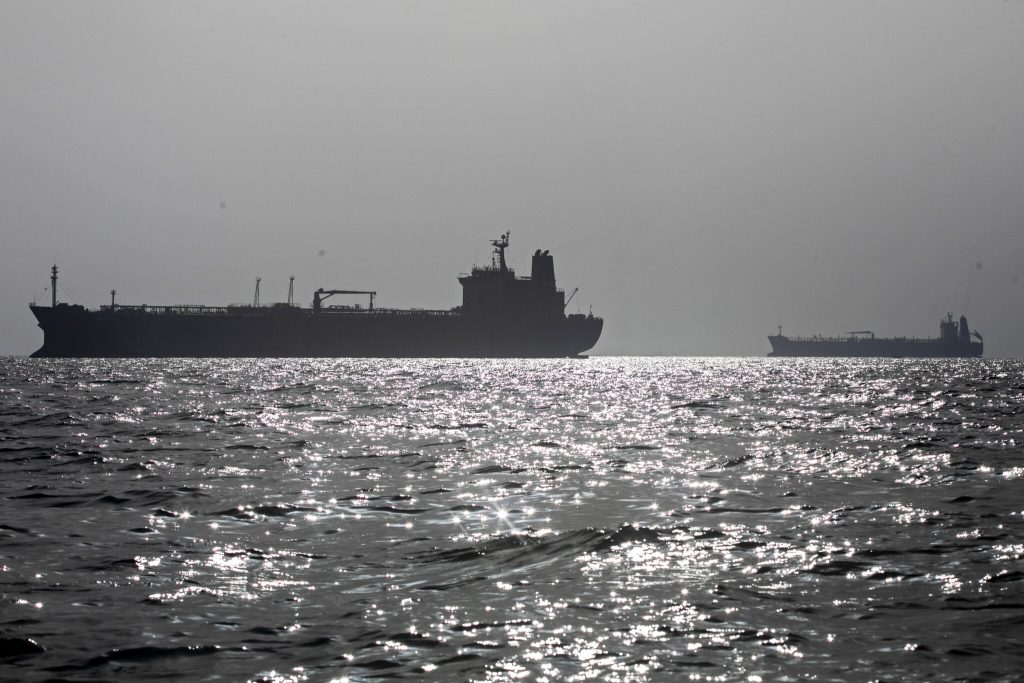
In a critical appeal to the United Nations and the International Maritime Organization, eight of the world’s foremost shipping industry associations have voiced their strong opposition to any potential tolls or transit fees in the strategically vital Strait of Hormuz. This initiative, outlined in a joint letter, underscores the pressing concerns within the global shipping community regarding the implications of introducing mandatory charges in one of the most crucial maritime routes for international trade. The associations warn that such a move could create a dangerous precedent, leading to similar fees at other key maritime chokepoints around the world.
The Strait of Hormuz serves as a vital corridor for approximately 20% of the world’s oil trade, making its security and accessibility critical not only for regional economies but also for global markets. The letter, dated August 3 and addressed to UN Secretary-General António Guterres and IMO Secretary-General Arsenio Dominguez, articulates the belief that imposing transit tolls or service fees—essentially a toll in every respect—would undermine the established international legal framework governing navigation through such straits. The associations, which include prominent organizations like the International Chamber of Shipping, BIMCO, and the World Shipping Council, express that establishing such a precedent would lead to increased uncertainty for international shipping operations and broader global commerce.
The backdrop to this urgent plea involves heightened tensions in the region, particularly concerning Iran’s attempts to enforce stricter control over maritime traffic in the Strait of Hormuz. The Iranian government has signaled intentions to implement transit fees and mandatory insurance for vessels navigating this critical route, particularly in light of military actions by the United States and Israel against Iran. Reports indicate that Iran has sought payments of up to $2 million per voyage on an ad-hoc basis, creating additional pressure on shipping lines that have historically navigated the strait without significant hindrance.
To counter Iran’s growing influence, the United States has deployed naval forces to protect commercial vessels and has advocated for an alternative shipping route adjacent to Oman. Previous discussions included U.S. President Donald Trump’s consideration of a 20% charge on cargo shipments traveling with U.S. military assistance, a proposal that was subsequently withdrawn following diplomatic pressure from Gulf allies.
In contrast to Iran’s aggressive stance, Oman has taken a more moderate approach, expressing its opposition to mandatory transit charges while remaining open to voluntary agreements that would enhance maritime safety and security. The country has communicated its willingness to explore options for ships to contribute to navigation support services, which could help mitigate risks associated with navigation in these politically charged waters.
As the situation evolves, the shipping associations have emphasized the importance of maintaining internationally recognized rights of navigation. They argue that these rights should not be compromised or leveraged as bargaining chips in broader geopolitical negotiations. This perspective is particularly relevant as discussions regarding regional security and conflict resolution continue to unfold.
Looking ahead, there is a tentative 60-day agreement reportedly in the works between the U.S., Iran, and Oman concerning shipping through the Strait of Hormuz, which aims to avoid any tolls or fees. However, the future of this arrangement remains uncertain as stakeholders assess the long-term implications of the current geopolitical climate.
For traders and investors, the developments in the Strait of Hormuz hold significant implications for global supply chains and energy markets. The potential for increased fees or military tensions could disrupt shipping routes and elevate transportation costs. Investors should closely monitor the situation, as fluctuations in oil prices and shipping rates could result from changes in navigational policies and regional stability.
In conclusion, the call from shipping industry associations to protect the Strait of Hormuz from compulsory tolls and transit charges highlights the delicate balance of international trade and security in a geopolitically sensitive area. With the potential for significant repercussions for global commerce, it is imperative for the international community to engage in constructive dialogue that safeguards navigational freedoms while addressing regional tensions. The fate of one of the world’s most vital maritime routes hangs in the balance, making this an issue of utmost importance for stakeholders across the shipping and investment sectors.