
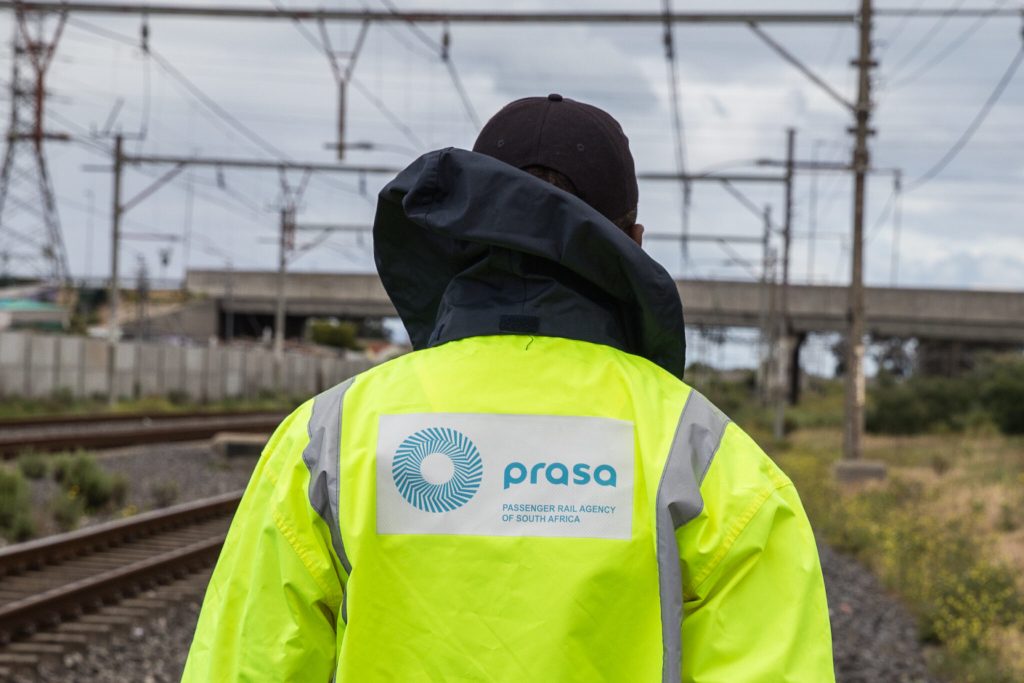
In recent years, the issue of corruption has loomed large over public infrastructure projects worldwide, often manifesting through complex networks of organized crime. One of the most illustrative examples of this phenomenon is the ongoing situation surrounding South Africa’s Passenger Rail Agency (Prasa) and its efforts to rehabilitate the Central Line in Cape Town. The implications of these events stretch far beyond the immediate concerns of law enforcement; they raise significant questions about the financial viability of public projects, investor confidence, and the broader economic landscape.
Prasa CEO Hishaam Emeran recently addressed parliament’s Select Committee on Public Infrastructure, providing critical updates on investigations into alleged criminal activities that have infiltrated the agency’s security services. The investigations have focused on Ralph Stanfield, an alleged gang leader, and his wife, Nicole Johnson, alongside various companies linked to them. Although reports indicated that these individuals may have benefited financially from subcontracting arrangements during the reconstruction phase of the Central Line, Emeran firmly stated that no payments were made to Stanfield, Johnson, or their associated businesses.
The Central Line has been a crucial transportation artery in Cape Town, serving approximately 40% of the city’s potential passengers. However, this vital service came to a halt in October 2019 when Prasa canceled irregular security contracts, which were deemed illegal. The subsequent years saw the line deteriorate further, compounded by the effects of the COVID-19 lockdown, during which makeshift settlements sprung up on the rail line, complicating the rehabilitation efforts.
Emeran’s remarks are part of a broader narrative concerning the intersection of crime and public contracting. The investigation into the alleged misconduct has been extensive, involving interviews with Prasa officials, contractors, and other stakeholders. The inquiry aimed to ascertain the credibility of the allegations surrounding improper subcontracting and malicious influence within the project management framework.
Key findings from the investigation highlighted several key points:
1. **Irregular Subcontracting**: There were allegations of subcontracting arrangements that did not adhere to the requisite governance protocols, leading to questions about accountability and the transparency of financial dealings.
2. **Criminal Influence**: The investigation sought to determine whether organized crime had infiltrated the project, potentially compromising its integrity and safety.
3. **Governance Failures**: The issues raised underscore systemic weaknesses within Prasa that may have allowed for these types of activities to occur unchecked.
4. **Impact on Reconstruction**: The alleged corruption and the subsequent halt of operations have had significant ramifications for the Central Line’s rehabilitation, affecting both commuters and service reliability.
From an investor’s perspective, the events surrounding Prasa’s Central Line project serve as a cautionary tale. The intertwining of organized crime and public infrastructure can deter potential investors, who may view such environments as high-risk due to the lack of transparency and governance. This can lead to a vicious cycle where the inability to secure investment further exacerbates the very issues that need to be resolved.
For traders and investors contemplating opportunities within the infrastructure sector, several insights can be gleaned from this case:
– **Due Diligence is Crucial**: Investors should prioritize comprehensive due diligence processes to ensure that their projects are not inadvertently linked to criminal activities or corruption.
– **Engagement with Government Entities**: Building strong relationships with public agencies can help investors navigate regulatory environments and understand the risks involved.
– **Adopting Ethical Standards**: Maintaining high ethical standards in business dealings can not only help in avoiding entanglements with corrupt practices but can also serve as a competitive advantage in attracting discerning partners and stakeholders.
In conclusion, the situation surrounding Prasa’s Central Line exemplifies the urgent need for enhanced governance and oversight in public procurement processes. The potential for corruption to disrupt essential services poses significant risks not only to the immediate stakeholders but to the broader economy as well. For investors and traders, the lessons learned from this case underscore the importance of vigilance, ethical practices, and robust governance mechanisms in ensuring successful project outcomes and maintaining public trust in infrastructure initiatives. As the trial of Stanfield and Johnson approaches, the outcome will undoubtedly be closely monitored—not just for its legal implications, but for the broader financial ramifications on public infrastructure investment in South Africa and beyond.