
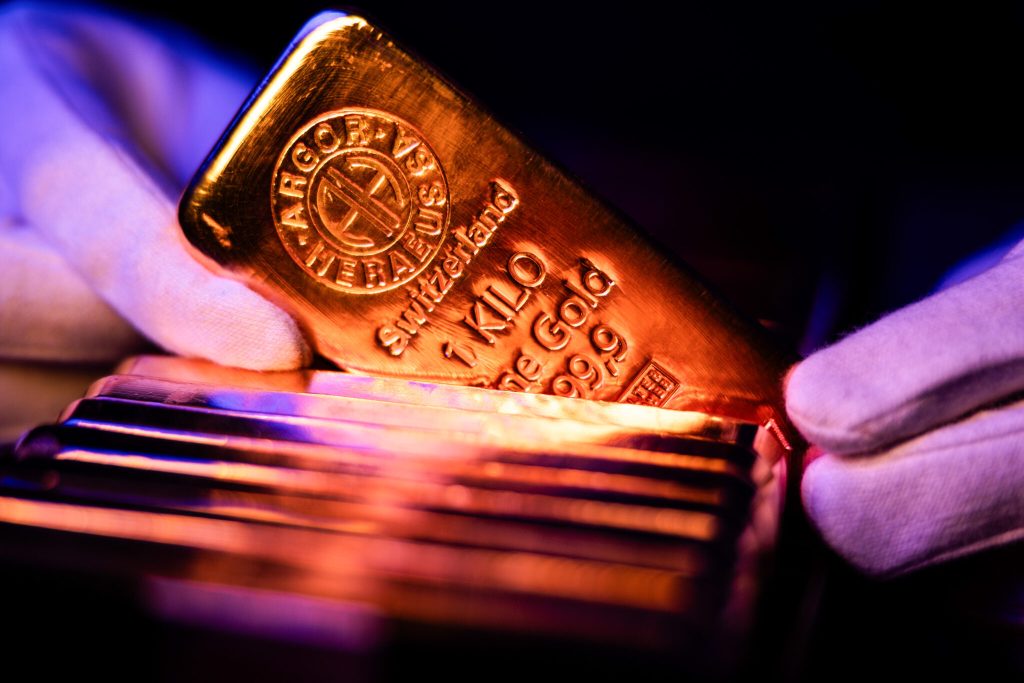
In the ever-evolving landscape of financial markets, gold has once again proven its status as a safe haven asset. Recently, the precious metal experienced its most significant surge in six months, driven by a combination of geopolitical developments and shifts in monetary policy outlook. As the world watches closely, several critical factors are contributing to this remarkable uptick in gold prices, making it imperative for investors to stay informed and agile.
The backdrop to this surge in gold can be traced back to recent negotiations between Iran and Oman regarding a shipping route through the strategically vital Strait of Hormuz. This waterway is a lifeline for global energy supplies, and any signs of stability in the region can have profound implications for commodity prices. The Iranian Deputy Foreign Minister, Kazem Gharibabadi, announced an agreement that would allow for a temporary reopening of the strait for two to four months. While this development does not signify a complete resolution of tensions, it has tempered concerns surrounding energy supply disruptions, which in turn has lessened the pressure on the U.S. Federal Reserve to implement aggressive interest rate hikes.
Gold’s ascent has been noteworthy, with prices climbing as much as 1.3% to briefly exceed $4,300 per ounce, following a robust 4.1% increase in the previous trading session. The market’s reaction reflects a growing consensus that the Fed’s monetary tightening cycle may be less severe than previously anticipated. Investors are now pricing in the likelihood of only a single interest rate increase by the end of the year, a shift from expectations of multiple hikes just a week prior. This pivot in the Fed’s outlook is particularly favorable for precious metals like gold, which typically perform well in low-interest-rate environments due to their lack of yield.
Key takeaways from the current market dynamics include the interplay between geopolitical events and economic policy. The ongoing U.S.-Iran negotiations, alongside the prospect of a temporary reopening of the Strait of Hormuz, have alleviated some of the macroeconomic pressures that have plagued gold prices since the onset of conflict in February. Analysts at TD Securities noted that the combination of easing tensions and the potential for a diplomatic resolution has provided a significant boost to precious metals. They observed that macro discretionary funds have significantly increased their positions in gold, indicating heightened interest from institutional investors.
Furthermore, while gold has enjoyed a strong rally, challenges remain. The analysts caution that a persistently tight energy market could pose a considerable obstacle for gold’s continued ascent. Despite the recent gains, the potential for renewed inflationary pressures and the Fed’s readiness to act on stubborn price growth suggests that volatility could remain a constant companion for gold in the near term.
Investors looking to capitalize on this surge in gold prices should be aware of the broader market conditions. Fed Governor Lisa Cook recently reiterated the central bank’s commitment to addressing inflation, emphasizing that any hesitation could complicate efforts to achieve the 2% inflation target. Her statements underscore the delicate balance the Fed must strike between fostering economic growth and curbing inflationary pressures.
As of the latest market updates, spot gold is trading at approximately $4,287.95 per ounce, with silver and other precious metals like platinum and palladium also experiencing upward momentum. The Bloomberg Dollar Spot Index, a key measure of the U.S. dollar’s strength, remains a crucial factor influencing gold prices. A weaker dollar typically supports higher gold prices, as it makes the metal more affordable for buyers using other currencies.
For traders and investors, the current environment presents both opportunities and risks. The ongoing negotiations in the Middle East, combined with the Fed’s evolving stance on interest rates, will be pivotal in shaping market sentiment. Investors should consider diversifying their portfolios to include gold and other precious metals as a hedge against inflation and geopolitical uncertainties.
In conclusion, the recent surge in gold prices reflects a complex interplay of geopolitical developments and monetary policy shifts. As the situation in the Strait of Hormuz unfolds and the Federal Reserve navigates its path forward, investors must remain vigilant and adaptable. Gold’s status as a safe haven asset in turbulent times continues to be reaffirmed, making it a critical component of any well-rounded investment strategy. Whether you are a seasoned trader or a novice investor, understanding these dynamics will be essential in making informed decisions in the ever-fluctuating world of finance.