
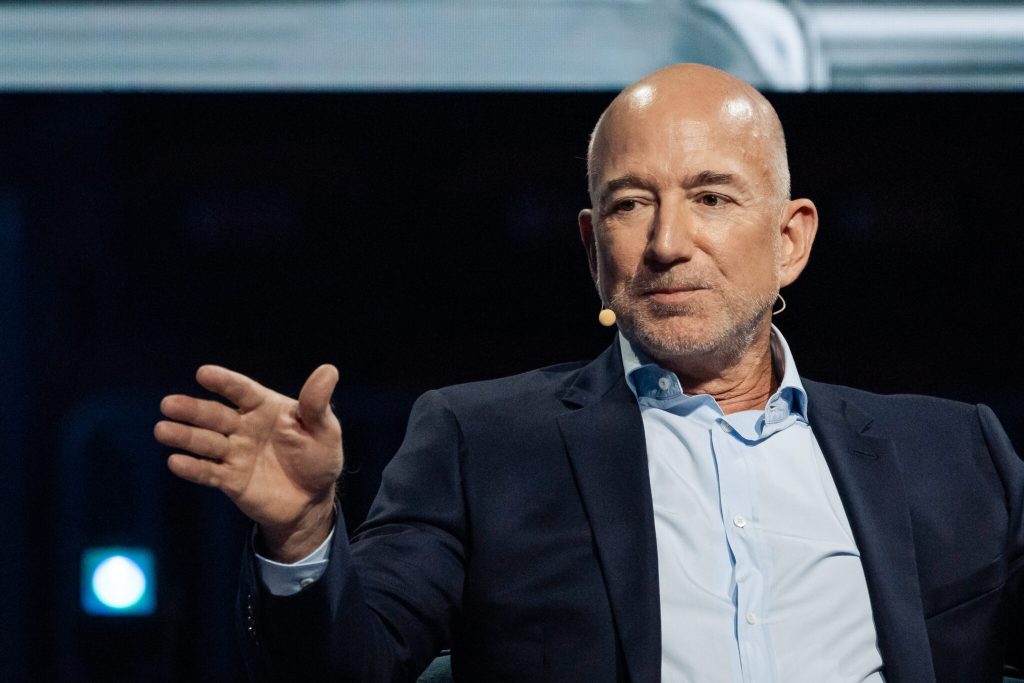
In a notable move that has caught the attention of investors and analysts alike, Jeff Bezos, the founder of Amazon, recently sold nearly $350 million worth of Amazon shares as the company’s stock reached a new all-time high. This sale marks Bezos’ first transaction of Amazon stock in 2024 and is part of a larger strategy that has seen him gradually divest his stake in the e-commerce giant over the past few years. As Bezos continues to reshape his financial portfolio, the implications for investors and the broader market are worth examining.
Bezos’ decision to offload shares comes against a backdrop of impressive gains for Amazon, which has experienced an 18% increase in its stock price this year alone. The company recently achieved a significant milestone by surpassing a market valuation of $3 trillion, positioning it as one of the most valuable firms globally. This valuation surge was fueled by robust earnings from Amazon Web Services (AWS), the company’s cloud computing division, which has become a cornerstone of its revenue stream.
In a recent Form 4 filing—the document that discloses insider transactions—Bezos indicated that the $350 million sale is just a small fraction of his larger intention to sell up to 15 million shares, valued at more than $4 billion. Despite this sale, Bezos retains a considerable 8.16% stake in Amazon, maintaining his status as the company’s largest shareholder. It’s worth noting that this isn’t the first time Bezos has engaged in significant stock sales; since 2020, he has sold more than $38 billion worth of Amazon shares.
This pattern of selling seems to reflect a broader trend. Historically, Bezos had sold less than $10 billion in Amazon shares from the company’s initial public offering in 1997 until 2020. However, the last few years have seen a marked increase in his stock sales, with over $8.5 billion sold in just nine trading days in 2024. This change in behavior raises questions about his long-term strategy for personal wealth management and investment priorities.
Key Points to Consider:
1. **Market Dynamics**: Amazon’s recent financial performance and market valuation indicate strong investor confidence. However, Bezos’ stock sales could signify a potential shift in how insiders perceive the company’s future growth prospects.
2. **Wealth Distribution**: Bezos has not only sold shares but also contributed over $1 billion in Amazon stock to various non-profit organizations since the beginning of 2025. This philanthropic effort highlights his commitment to social causes and could influence public perception of his wealth.
3. **Personal Investments**: Following his relocation to Florida, Bezos has made significant investments in real estate and luxury assets, including a notable $500 million purchase of a super yacht. Such expenditures suggest a diversification of his personal financial portfolio beyond Amazon.
4. **Blue Origin’s Funding**: In another intriguing development, Blue Origin, the aerospace company Bezos founded, is seeking external funding for the first time at a valuation of $130 billion. This move could signal a shift in strategy for Blue Origin, as it transitions from being entirely self-funded to attracting outside capital.
For traders and investors, these developments present both opportunities and cautionary tales. The increase in share sales by such a prominent figure may lead to speculative trading as investors react to perceived shifts in Amazon’s trajectory. Additionally, understanding Bezos’ broader financial strategies could provide insights into the company’s potential movements in the stock market.
Investors should consider the long-term implications of Bezos’ stock sales and philanthropic efforts. While a single insider sale may not dictate the stock’s performance, a pattern of selling could indicate a shift in sentiment. However, Amazon’s strong market presence and continued success in cloud computing provide a solid foundation for future growth.
In conclusion, Jeff Bezos’ recent stock sale is a multifaceted event that goes beyond mere financial transactions. It reflects a complex interplay of personal finance management, strategic investments, and philanthropic endeavors. As Amazon continues to thrive, stakeholders must remain vigilant in monitoring not just the company’s performance but also the actions of its key figures. For investors, the key takeaway is to remain informed and consider the broader implications of insider activity, which can often provide valuable insights into market trends and company trajectories.