
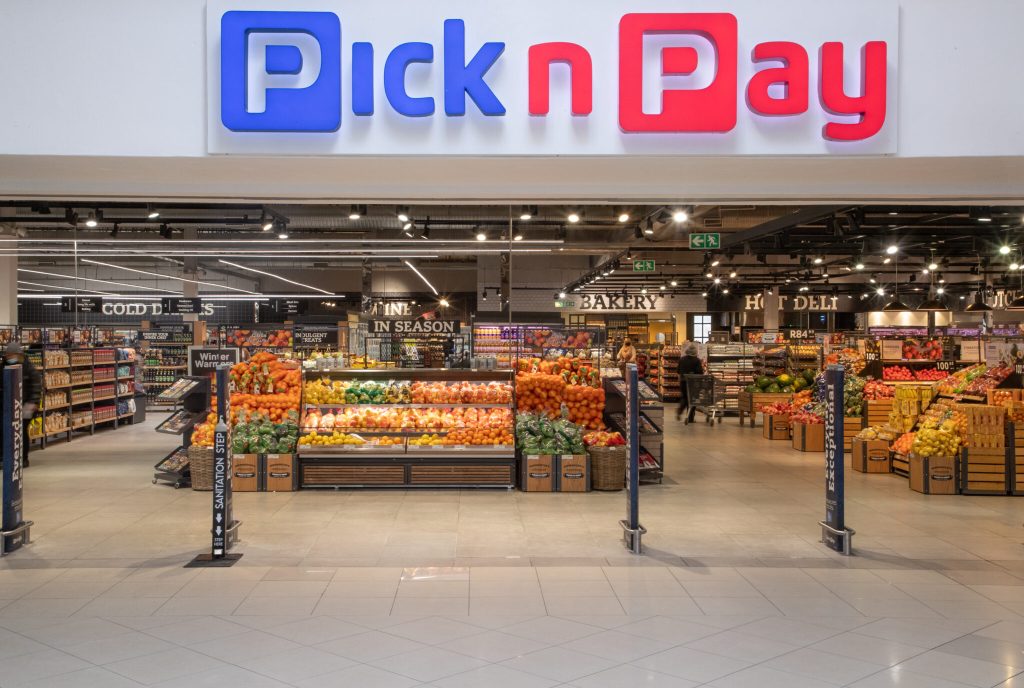
In the competitive landscape of South Africa’s retail market, Pick n Pay has recently reported its financial performance for the 20 weeks that ended on July 19, 2026. The numbers reveal a mixture of steady growth and challenges that the supermarket chain continues to navigate as it strives for a turnaround. With a group turnover growth of 2.7% and like-for-like sales rising by 2.5%, the retailer’s latest update offers valuable insights into its operational effectiveness and strategic direction.
To fully understand the implications of these figures, it’s essential to delve deeper into what they mean for the company and its stakeholders. Like-for-like sales, a critical performance metric for retailers, measures revenue generated by stores that have been operational in both the current and previous year. This approach helps to isolate growth from new store openings or closures, providing a clearer picture of the company’s underlying performance.
During this period, Pick n Pay experienced some significant shifts. The retailer’s core supermarket business in South Africa saw an improvement in underlying trading momentum, although the overall reported sales were still impacted by the closure and conversion of underperforming outlets. The company’s efforts to streamline its store estate reflect a strategic move to enhance profitability and focus on stronger performing locations.
In terms of specific performance metrics, the group turnover remained flat year-on-year, reflecting the challenges faced amid the ongoing restructuring. While total turnover in South Africa dipped by 0.4%, the like-for-like sales showed a more positive trend, increasing by 1.9%. This discrepancy highlights the ongoing impact of the strategic changes the company is implementing, which may take time to translate into overall sales growth.
A notable point in Pick n Pay’s report is the performance of its company-owned supermarkets, which constitute the bulk of its turnover. These stores achieved a commendable like-for-like sales growth of 3.3%, showing an implied volume growth of 2%. In contrast, franchise supermarkets reported a more modest growth of 1.3% in the same category. The differentiation in performance between company-owned and franchise stores indicates that Pick n Pay’s direct management may be contributing positively to its operational outcomes.
Another area of strength for the retailer is its online sales channel, which posted an impressive growth of 37.5%. This surge can be attributed to the increasing popularity of services like Pick n Pay asap! and grocery sales via the Mr D app, both of which have resonated well with consumers seeking convenience in their shopping experience. This robust online performance underscores the importance of digital channels in retail, particularly in the context of evolving consumer preferences.
On the clothing front, standalone clothing stores reported a turnover growth of 3.3%, although like-for-like sales saw a slight decline of 1.3%. While this represents an improvement from the more significant decline of 5.6% in the latter half of FY26, it indicates that the clothing sector still faces challenges in gaining traction.
It is also crucial to note the broader market conditions affecting Pick n Pay. Internal selling price inflation moderated to 1.3%, remaining below the Consumer Price Index (CPI) food inflation of 2.5%. This situation highlights the company’s ongoing commitment to providing value to its customers amidst fluctuating economic conditions and inflationary pressures.
As the company progresses with its turnaround strategy led by CEO Sean Summers, there are insights for both traders and investors. The current phase appears to be characterized by cautious optimism. While the financial results show some promising indicators of growth, the challenges of store closures, market deflation in staple food categories, and the need for continued structural improvements must not be overlooked.
In conclusion, Pick n Pay’s recent trading update paints a complex picture of a retailer in transition. The modest growth in turnover and sales reflects both the impact of strategic transformations and the resilience of certain segments within its operations. As the company continues to refine its approach and focus on enhancing customer value, stakeholders should keep a close eye on future performance metrics. The path to recovery is fraught with challenges, but with a committed leadership team and evolving customer engagement strategies, Pick n Pay could emerge stronger in the competitive retail landscape.