
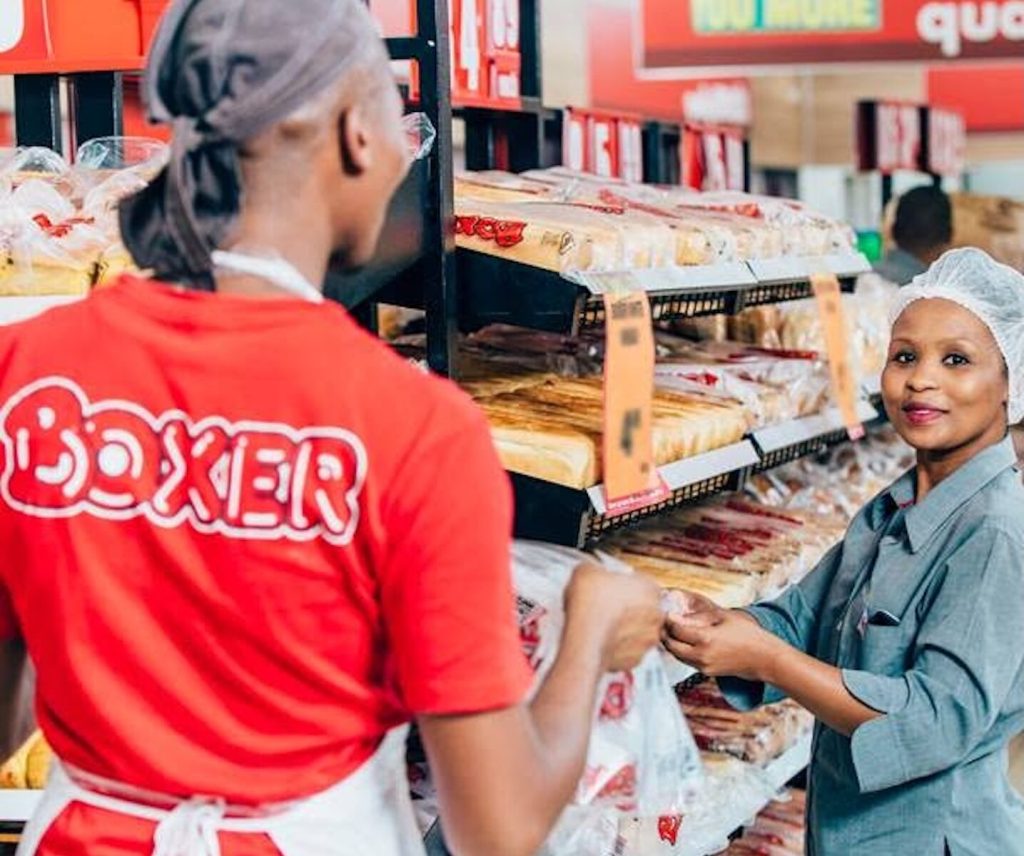
The partnership between First National Bank (FNB) and the supermarket group Boxer marks a significant step forward in enhancing customer experience and affordability for South Africans. This collaboration has gained traction through the successful launch of a 99c bread initiative, which aims to provide financial relief to consumers facing rising costs of living. As both companies look to expand their offerings, this alliance represents a thoughtful response to the pressing needs of everyday shoppers.
In today’s fast-paced economic climate, consumers are constantly seeking ways to stretch their budgets further. With inflation impacting essential goods and services, it has become increasingly critical for businesses to step in and offer support. Recognizing this reality, FNB and Boxer have combined their strengths to not only provide affordable products but also to offer a suite of rewards and value-added services that cater to the needs of their customers.
The joint initiative kicked off with an impressive response, seeing over 220,000 vouchers distributed within the first month, totaling more than R2.2 million in value. These vouchers, available to FNB cardholders shopping at Boxer outlets, are a testament to the strong demand for affordable staple goods among consumers. With redemption rates climbing, FNB anticipates that more customers will take advantage of this initiative as the vouchers remain valid for a full month after issuance.
The partnership between FNB and Boxer builds on an existing program that was first introduced in 2024, which aimed to provide affordable bread options through a collaboration with Pick n Pay. To date, FNB has issued more than 7.7 million bread vouchers, worth approximately R77 million, across both retail chains. The integration with Boxer allows FNB to reach underserved rural and semi-rural markets, where Boxer has a significant retail presence, thereby enhancing access to affordable daily essentials.
FNB’s CEO, Lytania Johnson, emphasizes the bank’s commitment to being a reliable partner for its customers. She states that many South Africans grapple with tough financial decisions each month, making it essential for businesses to respond with relevant and practical solutions. This partnership exemplifies FNB’s dedication to understanding customer challenges and delivering support where it is needed most.
Boxer CEO, Marek Masojada, echoes this sentiment by highlighting how the partnership not only focuses on providing low prices but also on creating genuine value for customers. By merging Boxer’s community outreach with FNB’s financial capabilities, the collaboration seeks to offer practical solutions that alleviate financial pressures on households across the nation.
Both organizations are looking ahead to future phases of their partnership, which will include the development of enhanced reward structures, increased point-of-sale accessibility, and new initiatives aimed at easing household operational costs. The goal is to create a holistic ecosystem that supports customers in their daily lives, making essential goods more accessible and affordable.
Key Takeaways:
1. Strategic Collaboration: The partnership between FNB and Boxer highlights how financial services and retail can work together to address consumer needs effectively.
2. Focus on Affordability: By launching initiatives like the 99c bread program, both companies are responding to the economic pressures faced by consumers, making essential goods more accessible.
3. Community Engagement: The collaboration extends FNB’s reach into rural areas, showcasing the importance of location in delivering essential services and support.
4. Future Growth: Both companies are committed to expanding their offerings, ensuring that their partnership continues to evolve in ways that benefit customers.
For traders and investors, this partnership presents an interesting case study in how strategic alliances can drive business growth and enhance customer loyalty. The ability to respond to market demands with innovative solutions can differentiate companies in a competitive landscape. As FNB and Boxer expand their offerings, investors should keep an eye on how such collaborations influence market share and consumer behavior.
In conclusion, the partnership between FNB and Boxer serves as a model for how businesses can come together to support consumers during challenging economic times. By focusing on affordability and value, they are not only enhancing their customer base but also fostering loyalty and goodwill in an increasingly competitive market. As they roll out new initiatives, it will be exciting to observe the impact on both their businesses and the communities they serve.