
In a significant development for South Africa’s agricultural sector, the nation is poised to send approximately 200,000 tons of soybeans to China in November 2026. This marks only the second time South Africa has entered into a soybean export agreement with the Asian powerhouse, setting the stage for a transformative shift in the local agricultural landscape. The announcement from the South African Cereals and Oilseeds Trade Association (Sacota) highlights the pivotal role this export deal will play in bolstering the local soybean industry, especially in light of recent agricultural challenges.
The soybean export deal comes at a time when South Africa’s agricultural producers are seeking new avenues to enhance their international competitiveness. The agreement was facilitated by a multinational trading member of Sacota and is particularly timely due to China’s recent decision to eliminate all import duties on agricultural products. Previously, South African soybeans faced a 3% tariff, which hindered their competitiveness in the global market. With the introduction of the Zero-Tariff Preference Scheme, South African producers now have a substantial advantage, estimated at around $15 per ton (equivalent to about R245) over their South American counterparts.
In addition to the tariff elimination, South Africa benefits from a geographic freight advantage that further enhances its export potential. Compared to exporters from South America, local traders enjoy lower shipping costs in the range of $12 to $15 per ton. This dual advantage positions South African soybeans favorably in the global marketplace, particularly as volatility in international markets creates opportunities for short-term gains. Sacota has observed that fluctuations in the Chicago futures market do not always translate directly to cash export prices in Brazil or Argentina, which may present unique opportunities for South African exporters.
It is worth noting that this export agreement follows a record-breaking soybean harvest during the 2025/26 summer grain season. Sacota reports that the area dedicated to soybean cultivation has expanded by over 27% in the past five years, spurred by advancements in soybean cultivars and an increase in farming expertise. This year, soybeans were planted between October and November, and despite facing challenges such as a mid-summer drought, timely rainfall across key production areas helped secure a successful harvest.
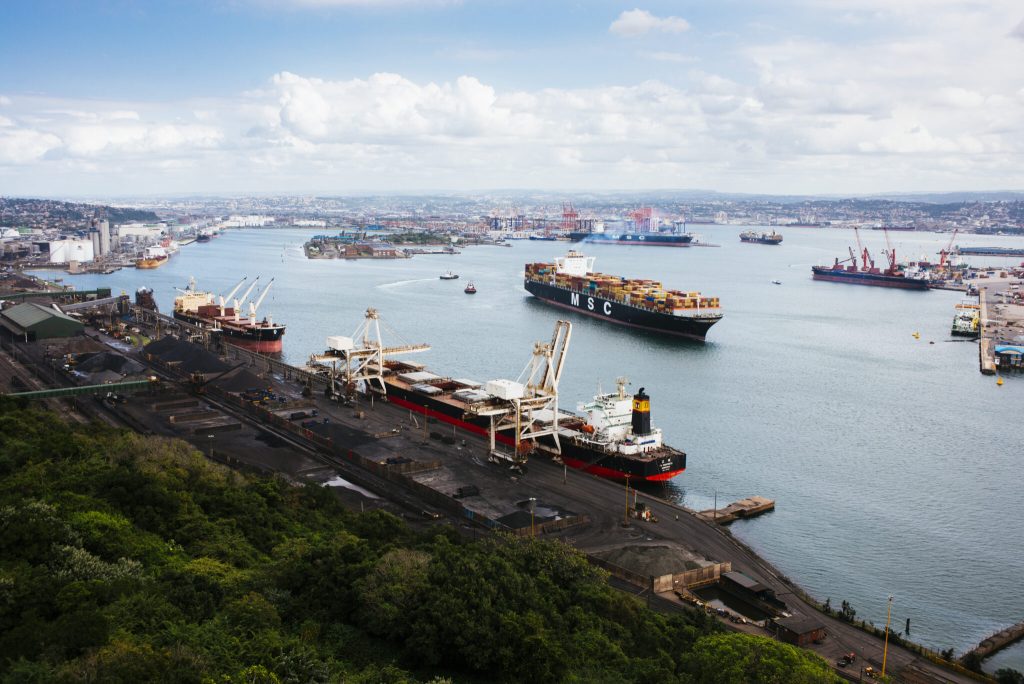
According to the Crop Estimates Committee, the anticipated yield for soybeans this season is around 2.8 million tons. This optimistic projection is accompanied by expectations of lower prices and heightened export volumes, with preliminary estimates suggesting exports could reach around 600,000 tons. However, the path to maximizing these export opportunities is not without hurdles. Historical preferences for yellow maize at export terminals in Durban have limited the capacity for soybean exports, and recent weather conditions have led to delays in harvesting. Tight inland stocks and strong local demand from the crushing industry have also constrained the volume available for export.
For traders and investors, the soybean export deal represents a strategic opportunity to capitalize on the growing demand for soybeans in international markets. The ability to hedge local and export transactions through soybean futures contracts traded on the Johannesburg Stock Exchange (JSE) provides an additional layer of security against market volatility. Investors should closely monitor global price movements, as fluctuations in the Chicago market can present advantageous trading conditions for South African soybeans.
As South Africa navigates this new chapter in its agricultural export journey, the implications for local farmers and the broader economy are profound. The soybean industry’s rapid growth not only supports rural livelihoods but also contributes to the nation’s food security and agricultural resilience.
In conclusion, the agreement to export soybeans to China is a landmark moment for South Africa’s agricultural sector, signaling a shift towards greater competitiveness in the global market. With the elimination of tariffs and geographic advantages, coupled with a robust increase in production capacity, South Africa is well-positioned to become a key player in the international soybean arena. As conditions continue to evolve, stakeholders across the agricultural landscape must remain agile and responsive to capitalize on the opportunities ahead. The future of South African soybeans looks promising, but sustained growth will depend on addressing existing export challenges and maintaining a commitment to innovation and development within the sector.