
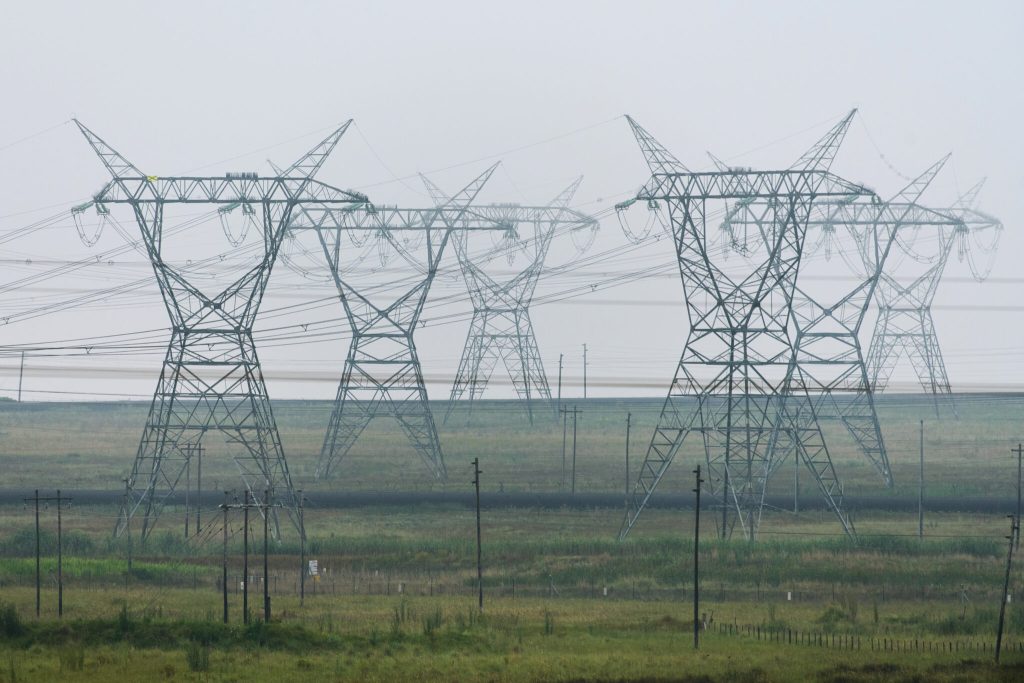
In recent discussions surrounding South Africa’s energy landscape, the future of Eskom, the state-owned power utility, continues to dominate headlines. As the government contemplates the establishment of an independent transmission company, Eskom’s chairman, Mteto Nyati, has raised critical concerns about the timing and implications of transferring assets from the utility. This blog post delves into the complexities of this situation, exploring the potential risks and rewards of restructuring Eskom, and offers insights for traders and investors observing the shifting dynamics of South Africa’s energy sector.
The backdrop of this discussion is the ongoing struggle of Eskom, which has been plagued by financial instability, mismanagement, and chronic power outages. These outages have not only hampered economic growth but have also put immense pressure on the government to reform the utility. The proposed creation of an independent transmission system operator (ITSO) aims to enhance the efficiency and management of South Africa’s electricity grid while promoting private investment in power generation. However, Nyati’s recent statements indicate that the board is advocating for a cautious approach, emphasizing the importance of addressing Eskom’s financial vulnerabilities before any asset transfers take place.
Eskom’s board supports the idea of an independent operator to oversee the wholesale electricity market and ensure equitable access to the grid. However, Nyati insists that the transfer of transmission assets should not occur until the government has effectively mitigated the risks posed to the utility’s financial health and its relationships with lenders. He warns that moving forward with the asset transfer prematurely could trigger change-of-control clauses in existing loan agreements, complicate accounting processes, and unsettle bondholders who are already wary of Eskom’s precarious financial standing.
The crux of Nyati’s argument centers on the need for a strategic sequence of reforms. He advocates for the ITSO to operate independently while Eskom continues to work through its financial challenges. This phased approach could potentially allow for a more stable transition, ensuring that the utility’s legacy liabilities and financial obligations are addressed before significant structural changes are made.
One of the key points in this dialogue is the staggering debt that Eskom carries, particularly the R119 billion (approximately $7.2 billion) owed by municipalities. The utility’s ability to recover this debt remains questionable, further complicating its financial landscape. Additionally, the transmission segment constitutes about 40% of Eskom’s earnings. Transferring this portion of the business without resolving existing financial issues could significantly weaken the company’s balance sheet, making it even more challenging to attract future investments.
Moreover, the valuation of Eskom’s transmission assets has been a point of contention. A recent assessment by the board valued these assets at around R110 billion, a figure that contrasts sharply with the lower estimate provided by the World Bank. This discrepancy highlights the need for a thorough and transparent valuation process before any asset transfer can be finalized. Without a clear understanding of the value of these assets, the transition could be fraught with complications that may further jeopardize Eskom’s financial stability.
For traders and investors, the ongoing developments surrounding Eskom represent both challenges and opportunities. The restructuring of the utility and the establishment of an independent transmission company could pave the way for increased private sector participation in South Africa’s energy market. However, the potential for financial instability during this transition period poses significant risks. Investors should remain vigilant, monitoring the government’s actions and Eskom’s financial health closely.
The government’s commitment to reforming Eskom reflects a broader recognition of the critical need for a stable and efficient energy sector in South Africa. However, as Nyati’s comments underscore, any significant changes must be approached with caution. The stakes are high, not only for Eskom and its stakeholders but also for the broader economy, which relies heavily on a dependable power supply.
In conclusion, the future of Eskom hinges on the careful management of its asset transfers and the resolution of existing financial issues. While the creation of an independent transmission operator could indeed enhance the efficiency of the energy sector, it is imperative that the government address Eskom’s financial vulnerabilities first. By proceeding with caution, South Africa can work towards a more sustainable energy future without compromising the stability of its key power utility. Investors and traders should remain informed and prepared to adapt to the evolving landscape as this situation unfolds, as it will undoubtedly have lasting implications for the country’s economic trajectory.