
The relationship between the U.S. President and the Federal Reserve is often a complex and delicate one, marked by a blend of influence, independence, and the ever-present backdrop of economic concerns. As recent communications between President Donald Trump and Federal Reserve Chair Kevin Warsh come to light, it raises important questions about the nature of this relationship and what it means for monetary policy and the economy at large.
At the core of this discussion is the role of the Federal Reserve, which operates as the central bank of the United States, tasked with managing the nation’s monetary policy. The Fed’s primary goals include fostering maximum employment, stabilizing prices, and moderating long-term interest rates. However, the independence of the Fed has historically been a cornerstone of its effectiveness, allowing it to make decisions based on economic indicators rather than political pressure.
In recent months, reports have surfaced detailing the phone conversations between President Trump and Warsh since the latter’s confirmation in May. These discussions, albeit infrequent, have sparked a conversation about the extent to which a sitting president can or should influence central bank policy. According to sources familiar with the matter, Trump has engaged Warsh in discussions about economic forecasts and general opinions, but has notably refrained from dictating specific policy actions. This apparent hands-off approach has been welcomed by some, given Trump’s past vocalizations about the need for lower interest rates to spur economic growth.
A spokesperson for the White House, Kush Desai, emphasized that while the President has the right to express his views about the Fed, he has also committed to allowing Warsh the autonomy necessary to rebuild confidence in the central bank’s decision-making processes. This delicate balance of power is critical; the President’s comments can sway public perception and market reactions, yet the Fed must operate independently to make sound economic decisions based on data and analysis.
Historically, interactions between U.S. presidents and Fed chairs have been rare, often characterized by a mutual understanding of boundaries. However, Trump’s approach has been more forceful compared to his predecessors. He has frequently expressed his desire for the Fed to reduce interest rates, seemingly brushing aside inflation concerns in pursuit of a more favorable borrowing environment. This push for lower rates aligns with Trump’s broader economic strategy but also raises concerns among economists about the potential longer-term impacts on inflation and financial stability.
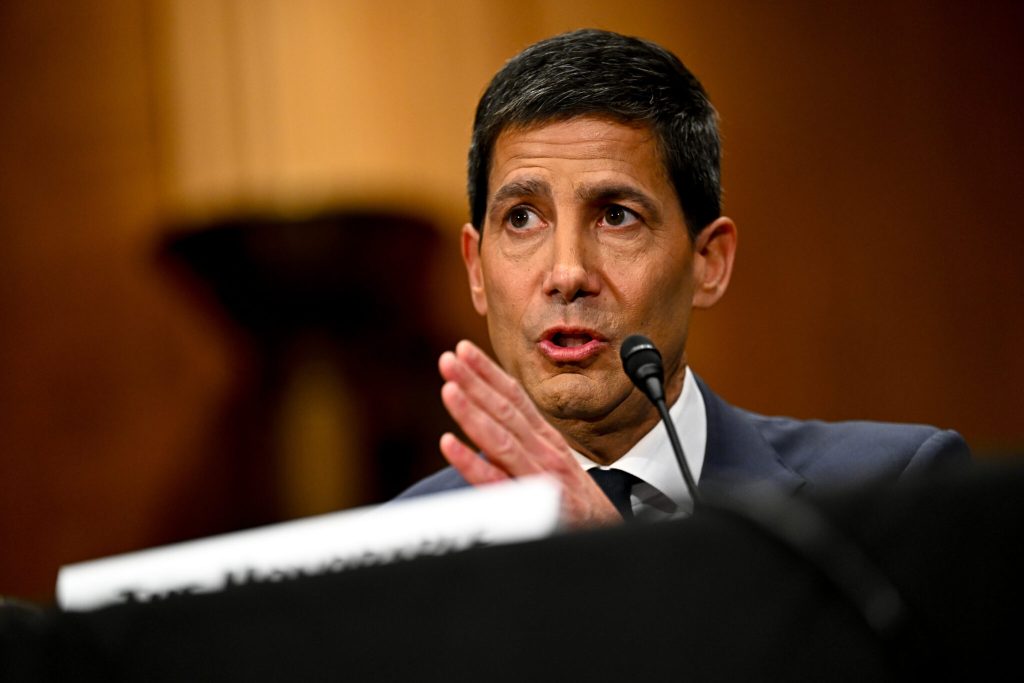
The nuances of the Trump-Warsh communications reveal a broader trend in the relationship between political leaders and central banks. While Warsh has publicly stated his commitment to independence, he has also acknowledged the importance of communication with the President and other key figures in the government. During a Senate Banking Committee hearing, Warsh stated that he does not feel uncomfortable receiving calls from the President, signifying an openness to dialogue while asserting his responsibility to uphold the Fed’s autonomy.
Key takeaways from this evolving dynamic include the ongoing tension between political influence and central bank independence. While dialogue between the two entities can foster a better understanding of economic challenges, it is crucial that the Fed remains insulated from direct political pressures that could compromise its integrity and effectiveness.
For traders and investors, this relationship is pivotal. The markets closely monitor any signals from both the White House and the Fed, as shifts in interest rates can have immediate ramifications on investment strategies and market sentiment. A potential course of action, should the President’s influence grow, could lead to more volatility in the markets, particularly if the Fed is perceived as bending to political pressure rather than adhering to its independent mandate.
In conclusion, the interactions between President Trump and Federal Reserve Chair Kevin Warsh underscore the intricate balance of power that defines the relationship between U.S. political leadership and monetary policy. While the President has a legitimate interest in economic outcomes, preserving the independence of the Fed is essential for long-term economic stability. As this relationship continues to evolve, it will be important for both policymakers and market participants to navigate the complexities of influence, ensuring that the Fed remains a robust institution capable of responding to the nation’s economic needs without undue political interference.