
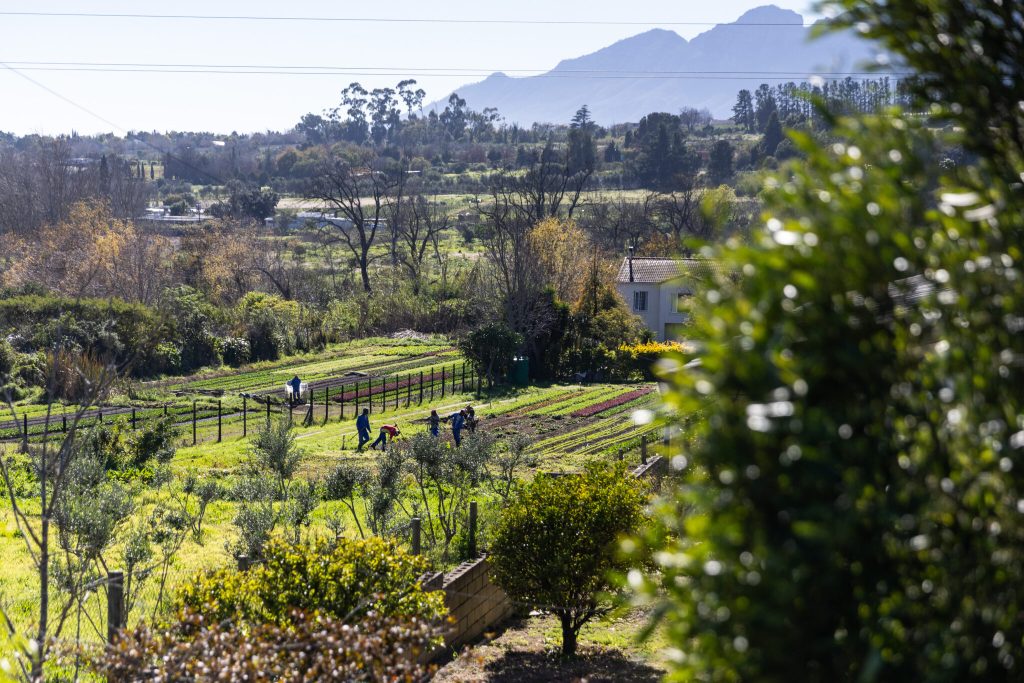
In the picturesque town of Jamestown, located near the renowned Stellenbosch, a quiet yet profound struggle is unfolding. The residents of this tight-knit community are grappling with the implications of new developments that threaten to alter the character and cultural fabric of their beloved home. As the neighborhood attracts the attention of developers due to its proximity to Stellenbosch, longtime residents fear that their agricultural heritage and the essence of their community might be lost in the process.
Jamestown is not merely a geographic location; it is a historical tapestry woven from the traditions of families who have farmed the land for generations. This legacy is celebrated annually during the Strawberry Festival, a cherished event that is set to return next year after being sidelined by the Covid-19 pandemic. The festival is not merely an occasion for celebration; it symbolizes the community’s commitment to preserving its agricultural roots.
The area has seen significant changes since the arrival of developments like the Aan De Weber gated estate, which was completed in 2014. This type of housing project, along with new proposals for additional developments, has sparked a wave of concern among residents. The planned Blaauwklip Estate, located on the urban periphery, has particularly drawn ire from locals who worry about its potential impact on the community’s character and the livelihoods of small-scale farmers who depend on local resources.
At the heart of this community is the Jamestown Street Market, a monthly gathering that showcases fresh produce and homemade goods from local farmers and craftsmen. Dale Simons, the chair of the Jamestown Trust, emphasizes that the market serves a dual purpose: it provides local farmers with a platform to display their produce and fosters a sense of community among residents. “We wanted to give the people who are planting an opportunity to showcase their produce,” Simons states, highlighting the importance of maintaining a connection to the land and its heritage.
The market has gained significant popularity, not just for its fresh offerings but also for its role in nurturing community bonds. “We learned that people are after community, engaging, and connecting,” Simons observes, reinforcing the idea that Jamestown’s identity is deeply rooted in its close-knit relationships. The Jamestown Trust was established to ensure the safety, health, and preservation of the community’s heritage amid rapid changes.
Amidst this backdrop, residents like Amy Levendal express the urgent need to maintain the diversity and close connections that have defined Jamestown for years. Levendal, whose family has deep roots in the area, articulates the collective concern that new developments could dilute the cultural identity of the community. “We don’t want to lose that culture and the essence of the community,” she asserts, echoing the sentiments of many long-standing residents.
The landscape of Jamestown is rapidly evolving, as satellite imagery reveals significant changes over the past decade. The encroachment of gated communities raises concerns about the future of local farming, particularly regarding the irrigation furrow that supplies water to numerous small-scale farms. Residents worry that the new developments could disrupt this vital water source, jeopardizing the livelihoods of farmers who have cultivated the land for generations.
René van Rooyen, another Jamestown resident, voices a critical concern regarding the proposed Blaauwbosch Estate. “If they put [the furrow] to a stop in any way, all these farmers will be without water,” she warns, underscoring the interconnectedness of agricultural practices and community well-being.
Key takeaways from Jamestown’s situation include the vital importance of community engagement in development discussions, the need for responsible urban planning that considers the historical context of neighborhoods, and the potential consequences of prioritizing profit over cultural heritage. It serves as a reminder that while development can bring economic benefits, it can also lead to the erosion of community identity if not approached with sensitivity.
For traders and investors, Jamestown presents a compelling case study in balancing growth with preservation. As interest in the area increases, understanding the local sentiment and fostering connections with residents can lead to more sustainable development practices. Investors who prioritize community needs and heritage may find greater long-term success and acceptance.
In conclusion, the predicament faced by Jamestown offers a poignant reflection on the challenges many communities encounter in the face of development. While progress is often inevitable, it is essential to engage in meaningful conversations about how to honor a community’s past while embracing its future. The story of Jamestown is not just about property development; it is about preserving the heart and soul of a community that has thrived for generations. As residents rally to protect their heritage, they send a clear message: the importance of community cannot be understated in the quest for progress.