
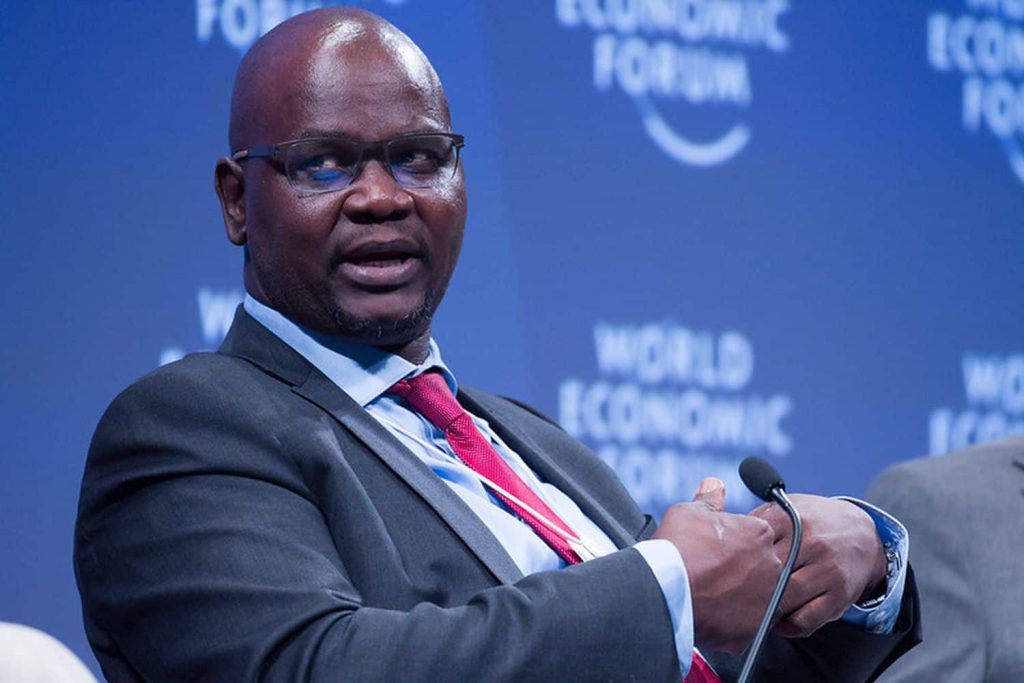
In a significant turn of events for South Africa’s Public Investment Corporation (PIC), Patrick Dlamini has made his return as CEO after a tumultuous period of suspension and controversy. This reinstatement not only marks a pivotal moment for Dlamini but also underscores the ongoing challenges the PIC faces regarding governance and accountability. As Dlamini steps back into leadership, he is determined to address the allegations surrounding his previous suspension and to restore trust in the asset management firm responsible for overseeing public funds.
Dlamini’s recent public address was his first since regaining his position, and he wasted no time in emphasizing the critical importance of accountability. He expressed his commitment to cooperating with investigations related to allegations of impropriety that had previously led to his suspension by a now-dissolved board. The Gauteng High Court in Pretoria ruled in favor of Dlamini, declaring that the board overstepped its authority by suspending him, as decisions regarding hiring and firing should fall under the jurisdiction of the finance minister and the cabinet.
The context of Dlamini’s suspension was rooted in a whistleblower report that detailed various allegations against him. The court’s decision to nullify the board’s actions has paved the way for Dlamini’s return, but it also highlighted the fragile state of governance within the PIC. The board has publicly supported Dlamini’s reinstatement while simultaneously insisting on an independent investigation into the allegations made against him. This dual approach aims to balance the need for leadership stability with the imperative of transparency and accountability.
One of the key messages from Dlamini during his address was the need for a collective commitment to integrity within the organization. He stated, “The true strength of our organisation lies in our collective commitment to uncompromised integrity and the disciplined execution of our mandate: to generate long-term value for the country and the men and women who trust us to manage their financial future.” This call for unity and ethical governance is particularly relevant in light of the recent turmoil that has plagued the PIC.
As the CEO prepares to lead the organization forward, he has made it clear that he is ready to cooperate with any investigations into his conduct. This proactive stance is intended to foster public trust and demonstrate a commitment to due process. Dlamini echoed the board’s assurance that all allegations will be thoroughly investigated, emphasizing the importance of proper oversight and adherence to established procedures.
Despite the challenges, Dlamini remains optimistic about the PIC’s performance. He pointed out that over 95% of the corporation’s portfolios are performing well in liquid markets. However, he also acknowledged the need to adopt a forward-looking approach that includes assessing the unlisted portfolio and finding ways to enhance its performance. He reassured stakeholders that their investments and state assets are secure and being managed with stringent governance controls.
Furthermore, the Financial Services Conduct Authority (FSCA) has initiated its own investigation into the PIC, adding another layer of scrutiny to the organization. The ongoing issues have raised concerns about governance and may even lead to a parliamentary inquiry in the near future. This highlights the broader implications of the PIC’s internal challenges, as the organization plays a critical role in managing public funds.
For traders and investors, the developments at the PIC should serve as a reminder of the importance of governance and accountability in asset management. The reinstatement of a CEO amidst allegations can create uncertainty, and market participants must carefully evaluate the implications of such events on the organization’s stability and performance. Transparency and adherence to due process are crucial factors that can ultimately influence investor confidence.
In conclusion, Patrick Dlamini’s return as CEO of the Public Investment Corporation is a moment of both opportunity and challenge. His commitment to accountability and cooperation with investigations reflects a desire to rebuild trust in an organization that has faced significant scrutiny. As the PIC navigates this complex landscape, it will be essential for the leadership to prioritize transparency and integrity to ensure the continued security and growth of public investments. Stakeholders, including investors and the broader public, will be watching closely to see how these developments unfold in the coming months.