
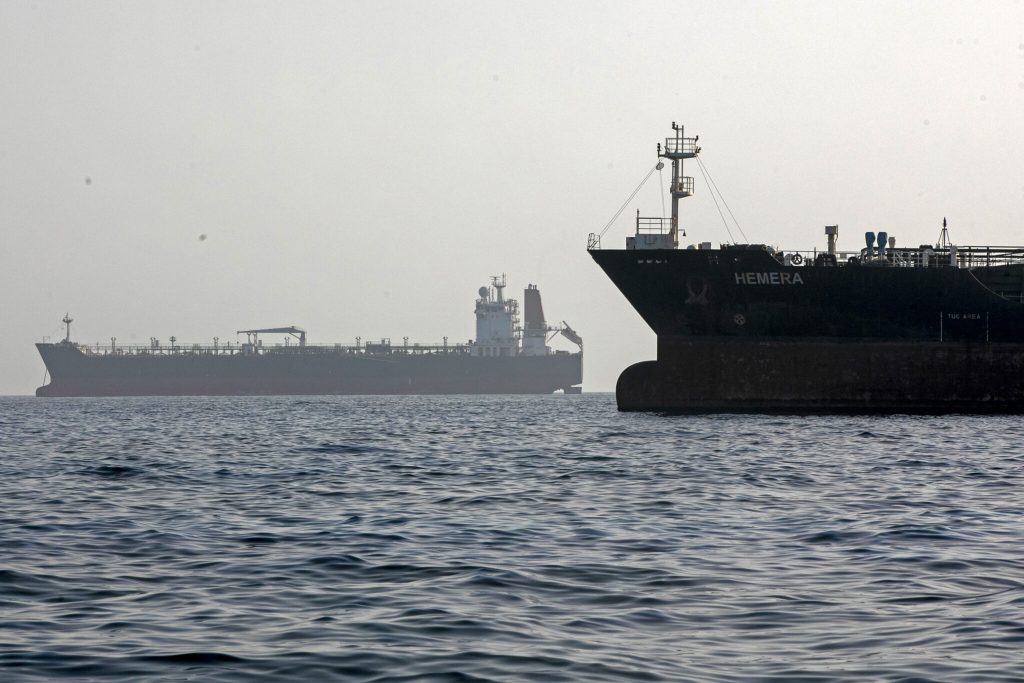
In recent weeks, the geopolitical landscape surrounding the Strait of Hormuz has become a focal point of international diplomacy, particularly between Iran and Oman. As discussions continue to unfold, both Iranian lawmakers and U.S. officials have expressed optimism about the prospects of reaching a deal. However, the complexities of the negotiation process raise questions about the feasibility of any agreement while tensions in the region remain palpable. This blog post delves into the intricacies of the proposed deal and the broader implications for global energy flows and regional stability.
The Strait of Hormuz, a narrow waterway that serves as a crucial shipping route for oil and gas, has long been a site of contention and strategic importance. Approximately one-fifth of the world’s oil supply passes through this strait, making its security vital not only for the countries bordering it but also for the global economy at large. Recent developments indicate that Iranian Deputy Foreign Minister Kazem Gharibabadi stated that an understanding with Oman was reached “in principle,” suggesting that negotiations are progressing. U.S. President Donald Trump has also commented on the talks, expressing confidence that an agreement is nearing completion.
Despite the optimistic tones from both sides, the details of the proposed deal are still under scrutiny. Iranian lawmakers are reportedly debating various clauses, including a ban on U.S. and Israeli ships from navigating the strait. This raises significant challenges, as it directly contradicts U.S. demands for the free passage of vessels. Such a ban could potentially escalate tensions and provoke a response from Washington, which has consistently emphasized the importance of unimpeded navigation in the region.
Additionally, Iranian negotiators are seeking compensation from what they term “hostile countries” and are advocating for restrictions on cargo associated with Israel. These demands highlight Iran’s desire to leverage its position in the negotiations, although how such terms could be defined and enforced remains uncertain. The complexity of vessel ownership adds another layer of difficulty, as many shipping companies operate under a mix of international flags and ownership structures. Determining which vessels fall under a ban could become contentious and difficult to manage.
The looming question of whether Iran’s Supreme Leader, Mojtaba Khamenei, will endorse the proposed deal adds further uncertainty. His approval is critical for any agreement to move forward, yet Iranian officials have indicated that communication with him can be time-consuming. This factor could delay the implementation of any potential pact, even if negotiations reach a consensus.
For investors and traders, the situation in the Strait of Hormuz is of paramount importance. The region’s stability directly influences oil prices and global energy markets. Although Brent crude oil prices held steady around $82 a barrel following a slight increase, market participants remain vigilant. The ongoing hostilities and the potential for renewed conflict could disrupt supply chains, leading to volatility in oil prices. Traders should closely monitor developments in the negotiations and any military activities reported in the area, as these factors could trigger significant market movements.
Furthermore, the broader implications of the Strait of Hormuz negotiations extend beyond immediate energy concerns. A successful agreement could pave the way for renewed diplomatic engagement between the U.S. and Iran, potentially leading to broader discussions aimed at de-escalating tensions in the region. Both sides have everything to gain from stabilizing the strait, as a secure passage would facilitate the flow of energy resources and contribute to global economic recovery.
In conclusion, as Iranian lawmakers debate the specifics of a potential deal with Oman concerning the Strait of Hormuz, the stakes are high for all parties involved. While there is a glimmer of hope for an agreement that could enhance regional stability and improve global energy flows, various challenges must be navigated carefully. For traders and investors, staying informed about these developments is crucial, as the outcomes of these discussions will likely have far-reaching implications for the energy market and beyond. The situation remains fluid, and all eyes will be on the negotiations as they unfold in the coming weeks.