
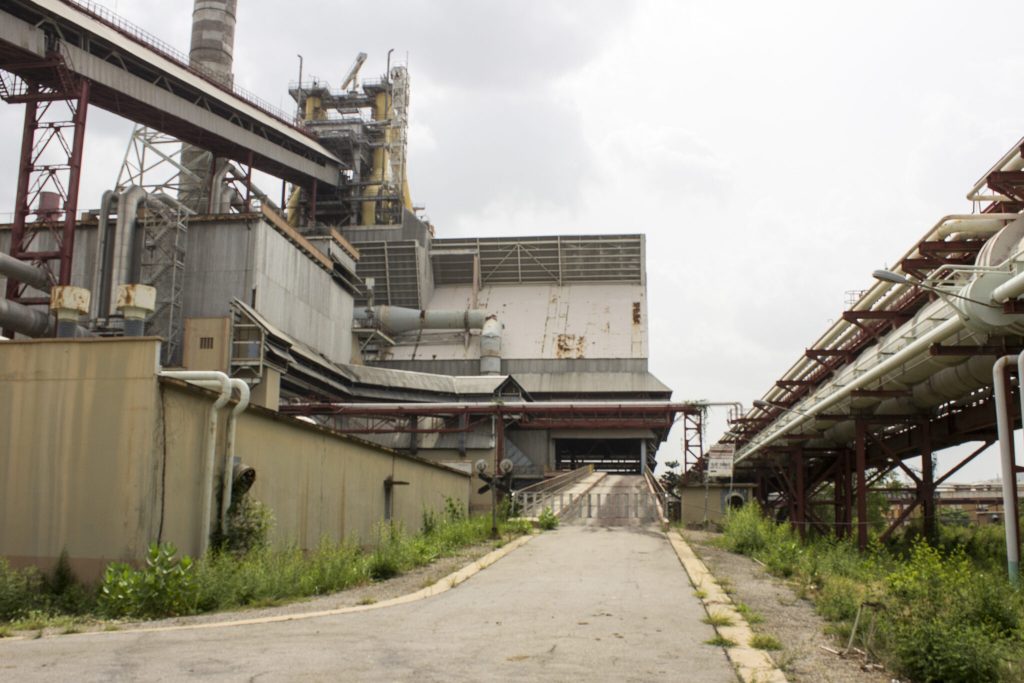
The Ajaokuta Steel Plant in Nigeria has long been a symbol of unrealized potential, having stood idle for over 50 years despite significant public investment. However, recent developments may indicate a turning point for this beleaguered project. In July, Nigeria’s government struck a deal with the Nigeria National Petroleum Corporation (NNPC) to provide a crucial supply of natural gas to the facility. This agreement could serve as the catalyst needed to finally breathe life into a steel plant that has yet to produce any steel since its inception.
The Ajaokuta Steel Plant, envisioned in 1979 and constructed with assistance from Soviet engineers, was designed to transform Nigeria into a self-sufficient industrial powerhouse. Its strategic location along the banks of the Niger River, approximately 200 kilometers from the capital city of Abuja, was intended to leverage the country’s vast iron ore deposits. The plant was projected to produce up to 5 million tons of steel annually, significantly reducing Nigeria’s reliance on imported steel and fostering economic growth through local manufacturing.
However, the plant’s history has been marred by mismanagement and inefficiency, leading to a staggering $8 billion investment that yielded no production. Over the years, the Ajaokuta facility became emblematic of Nigeria’s struggles with large-scale infrastructure projects, often cited as a case of wasted resources and unrealized dreams.
One of the critical barriers to the plant’s operation has been the lack of a reliable gas supply. Nasir Naeem Abdulsalam, the newly appointed managing director of Ajaokuta Steel Co., highlighted this issue as a significant concern for potential investors. The recent agreement to secure up to 50 million standard cubic feet of gas per day aims to address this problem, providing essential feedstock for a power plant that will support the steel manufacturing process.
Abdulsalam stated that many investors from various countries have expressed interest in Ajaokuta, but they all raised the same fundamental question: how will they ensure a steady supply of gas? Without this critical resource, the plant cannot operate effectively. The gas supply deal is a significant step forward, as it lays the groundwork for both the steel plant and its associated power generation capabilities.
President Bola Tinubu’s administration is keen on revitalizing Nigeria’s industrial sector. Since taking office in 2023, he has set an ambitious target of producing 10 million tons of crude steel annually by 2030. To achieve this goal, the government is adopting a collaborative approach, seeking partnerships with private investors who can bring the necessary capital and expertise to the project. Abdulsalam mentioned that discussions with potential partners from the United States and China are underway, and these investors have conducted technical assessments, suggesting that the plant’s furnaces could be operational within six to seven months.
It is essential to recognize that efforts to revive the Ajaokuta Steel Plant are not without challenges. Previous attempts to operationalize the facility have repeatedly failed, with various investors, including Russian, Japanese, and Indian firms, struggling to navigate the complex landscape of Nigerian infrastructure. The path to revitalization is fraught with risks, and many stakeholders remain skeptical about the feasibility of the project.
Key takeaways from this situation highlight the importance of strategic partnerships and the role of natural gas in industrial operations. The gas deal is a critical milestone, but its success hinges on the ability to maintain a consistent supply and foster collaboration between the government and private investors.
For traders and investors, the Ajaokuta Steel Plant’s situation presents both opportunities and cautionary lessons. While the potential for steel production in Nigeria could lead to significant economic growth and job creation, the historical context of the project serves as a reminder of the challenges inherent in such large-scale undertakings. Careful evaluation of the risks and potential rewards will be crucial for any investor considering involvement in this venture.
In conclusion, the recent gas supply agreement for the Ajaokuta Steel Plant offers a glimmer of hope for a project that has long been mired in disappointment. With strategic leadership and a commitment to addressing previous shortcomings, Nigeria may finally be on the path to realizing its vision of a thriving steel industry. However, the journey is just beginning, and stakeholders must remain vigilant to navigate the complexities of reviving this critical asset in Nigeria’s economic landscape.