
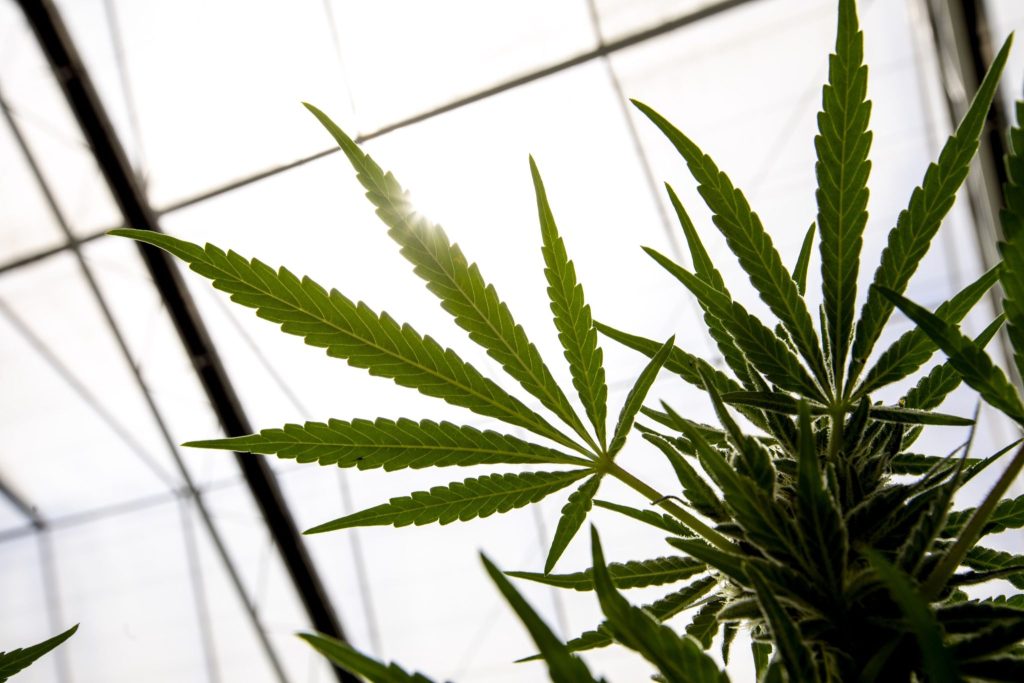
As the world increasingly seeks sustainable alternatives to traditional crops, hemp has emerged as a promising candidate, particularly in regions like South Africa. With its multifaceted applications ranging from textiles to construction materials, the potential for financial gain is significant, especially for small-scale farmers. However, this green gold comes with its challenges, particularly in water-scarce regions. A recent study conducted by a team of researchers sheds light on the water consumption of hemp, providing crucial insights for policymakers and investors alike.
Hemp, a variety of Cannabis sativa known for its minimal psychoactive properties, has been legal to cultivate in South Africa for personal use for several years. In recent times, interest has surged not only in its economic potential but also in its medicinal applications. Despite its advantages, the cultivation of hemp raises important questions regarding water usage, especially in a country where water resources are already under strain. The balance between harnessing the economic benefits of hemp and protecting vital water supplies is at the forefront of agricultural discussions in South Africa.
Understanding the water requirements of hemp is essential for sustainable farming practices. A research team from the University of KwaZulu-Natal and Rhodes University, alongside recent master’s graduate Gary Denton, embarked on a groundbreaking study to quantify the water consumption of hemp crops in the KwaZulu-Natal Midlands. By employing advanced technology such as drones and ground sensors, the researchers aimed to provide the first measurable evidence of hemp’s impact on local water resources.
The study highlights a critical aspect of agricultural management in South Africa. As the National Water Act empowers authorities to regulate crops that significantly impact water supplies, understanding hemp’s water usage is paramount. In the past, similar measures have been implemented in sectors like commercial forestry, emphasizing the need for accurate data to inform policy decisions. The findings of this research not only establish a baseline for hemp’s water consumption but also equip regulators with the necessary information to assess its long-term viability in water-limited areas.
An innovative approach was utilized in this research to determine the water needs of hemp plants. The team established a monitoring tower in the middle of a hemp field equipped with sensors to measure the amount of water vapor released by the plants and the wind speed. This allowed for continuous monitoring without disrupting the crop. While previous studies have attempted to estimate water usage through satellite images or by examining the internal movement of water within plants, this research represents a pioneering effort to apply high-precision measurement techniques specifically to hemp.
Complementing the tower-based measurements, drones equipped with thermal and infrared cameras were deployed to assess the health of the hemp plants. Healthy plants, well-hydrated and actively transpiring, exhibit cooler leaf temperatures, while those experiencing water stress demonstrate warmer leaf temperatures. By analyzing this data, the researchers could estimate the crop’s water consumption throughout its growth cycle. The integration of drone technology with computer modeling tools, such as QWaterModel, enabled the team to create detailed maps illustrating water usage across the field.
Carried out on a commercial farm near Pietermaritzburg, the study involved manipulating the hemp plants to encourage flowering by removing the tops and male plants. This hands-on approach facilitated a more accurate assessment of the water dynamics within the crops, ultimately yielding valuable insights for future hemp cultivation practices.
Key takeaways from this research underscore the need for a balanced approach to hemp farming in South Africa. While the crop presents a lucrative opportunity, particularly for small-scale farmers, the implications on water resources cannot be overlooked. Policymakers now have a clearer understanding of how much water hemp requires, which is vital for ensuring that farming practices remain sustainable and do not exacerbate existing water scarcity issues.
For traders and investors, this research highlights both the potential rewards and risks associated with investing in hemp cultivation. The economic allure of hemp is undeniable, yet it is crucial to consider environmental factors that could affect the long-term viability of such investments. Staying informed about regulatory changes and sustainable practices will be essential for anyone looking to capitalize on the hemp market.
In conclusion, the intersection of hemp cultivation and water resource management presents a complex yet promising landscape in South Africa. The recent study offers a foundational understanding of hemp’s water usage, equipping regulators and farmers with the knowledge necessary to navigate this evolving agricultural frontier. As interest in hemp continues to grow, striking a balance between economic opportunity and environmental responsibility will be key to ensuring the sustainable success of this promising crop.