
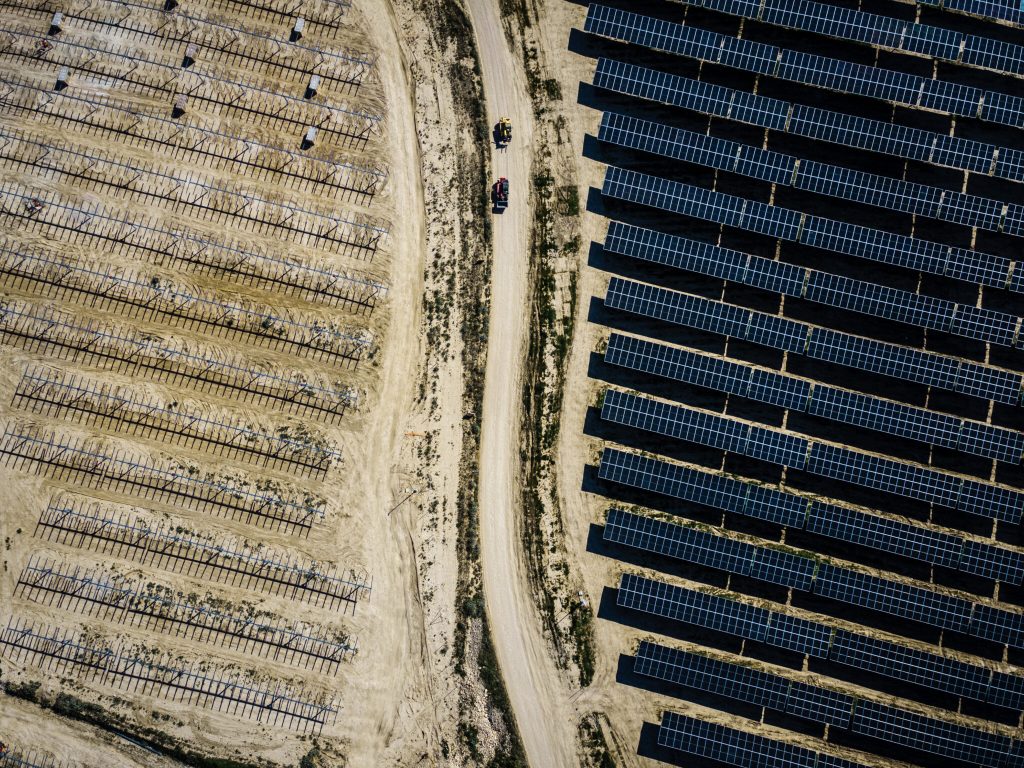
The rise of solar power has become a defining narrative of the 21st century, marking a significant shift in the way we generate and consume energy. Since surpassing the 100-gigawatt milestone in 2012, the growth trajectory of solar energy has been nothing short of astonishing. Within just a decade, the world ramped up its solar capacity to 1 terawatt. Remarkably, it took less than three years to double that figure, and projections suggest that we could reach a staggering 3 terawatts by 2026. This rapid expansion is not merely a statistic; it represents a transformation in our energy infrastructure, investment strategies, and global power dynamics.
As more solar panels dot the landscape, particularly in urban environments, the visual impact of solar energy deployment becomes increasingly apparent. According to Lara Hayim, head of solar research at BloombergNEF, one can easily spot solar installations while traveling on trains across countries like the UK. Such observations signal a broader acceptance and integration of solar technology into daily life. However, this enthusiasm is not universally shared; the story of solar energy is complex and layered, revealing both triumphs and challenges as we navigate this green revolution.
Expanding on the global solar narrative, the first terawatt of solar energy was largely the result of financial backing from affluent nations that provided subsidies to promote solar adoption. However, as we entered the second and third terawatts of deployment, China emerged as a dominant player, overshadowing other contributors. Despite this rapid growth, the share of solar installations in poorer countries has stagnated since 2020. This raises questions about equity and access in the global energy transition, as wealthier nations continue to lead the charge while developing regions lag behind.
The rise of solar power has not been limited to China alone. A closer examination reveals a burgeoning interest in solar energy across various countries, including Pakistan, Nigeria, and the Philippines. These nations have experienced significant increases in rooftop solar installations, demonstrating that the solar boom is not solely a Chinese phenomenon. Smaller markets, such as Cuba and Lebanon, have also embraced solar technology, contributing to a notable increase in the number of countries that have installed at least 1 gigawatt of solar power—jumping from 42 countries in 2020 to 74 last year.
Despite these advancements, China’s rapid deployment of solar capacity has not been matched with the necessary supporting infrastructure, like transmission lines and battery storage systems. This imbalance has led to the curtailment of solar energy production during peak hours, resulting in wasted resources. Analysts predict that China’s solar growth may face a slowdown as the nation shifts its focus toward enhancing renewable energy consumption rather than just production. This strategic pivot is outlined in China’s latest five-year plan, which aims to boost the consumption of renewable energy by over 50%.
Looking ahead, there is a sense of optimism regarding the prospects for solar deployment in developing nations. BloombergNEF anticipates that the share of solar installations in poorer countries will begin to grow again, as many of these nations are starting from a low base of solar energy integration and have yet to encounter the limitations faced by larger adopters like China. By 2036, it is projected that more than a quarter of all solar energy deployed globally will come from developing countries, indicating a shift in the landscape of solar energy adoption.
Key takeaways from the current state of solar energy include the recognition that while China has been pivotal in driving global solar growth, the story is far from one-dimensional. The emergence of solar markets in developing nations highlights the potential for a more equitable energy transition. Additionally, the challenges faced by China, particularly in terms of infrastructure, underscore the importance of strategic planning in the ongoing solar expansion.
For traders and investors, the solar energy sector presents a wealth of opportunities, especially as demand surges and technological advancements continue to lower costs. Companies involved in solar panel manufacturing, installation, and supporting technologies like energy storage stand to benefit significantly. Furthermore, the anticipated growth in solar adoption in developing nations creates avenues for investment in emerging markets, which could yield substantial returns as these countries ramp up their renewable energy capabilities.
In conclusion, the journey of solar power is a remarkable saga of innovation, resilience, and transformation. As we stand on the brink of a new era in energy, it is essential to recognize the complexities of this transition. Continued investment, technological advancements, and supportive policies will play critical roles in shaping the future of solar energy, ensuring that it becomes a cornerstone of a sustainable global energy landscape.