
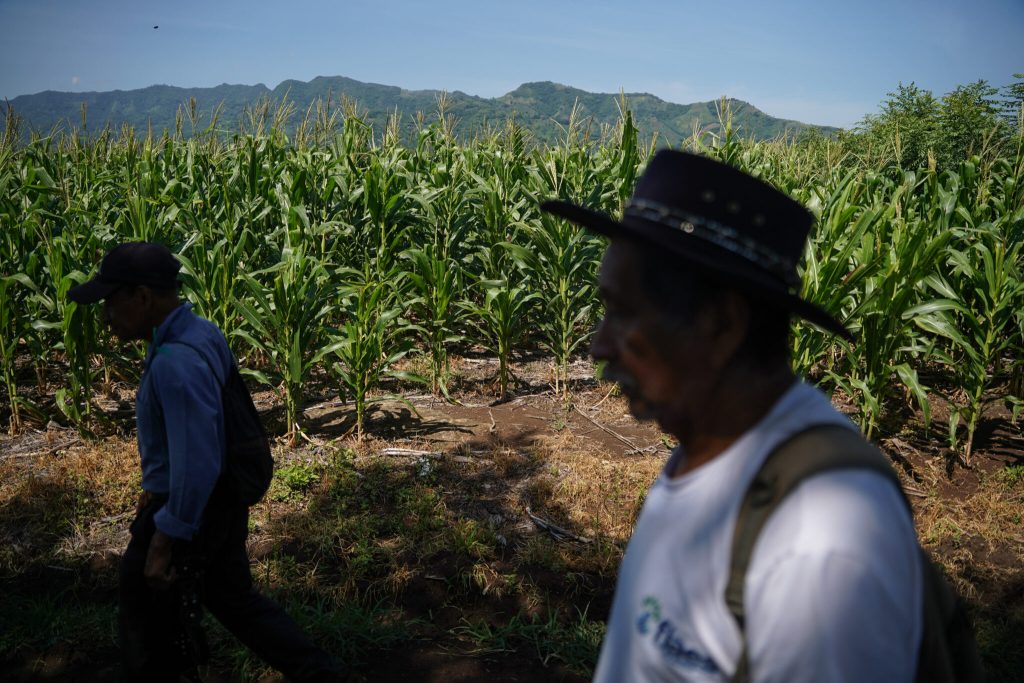
As we navigate the complexities of our interconnected world, environmental phenomena like El Niño remind us of the fragility of global food systems. The United Nations has recently sounded the alarm about the current El Niño, which is projected to be the most intense in over seven decades. This significant meteorological event threatens to plunge at least 49 million people into acute hunger by the end of 2027, especially in vulnerable regions such as Latin America and the Caribbean. The implications of this phenomenon extend far beyond immediate food shortages; they touch on economic stability, social dynamics, and global trade.
El Niño is a climate pattern characterized by the warming of ocean surface temperatures in the central and eastern Pacific. This warming influences weather patterns around the world, leading to increased rainfall in some areas and droughts in others. As the World Food Programme (WFP) has indicated, this year’s El Niño will have severe consequences for food production and security, particularly in nations that are already struggling with economic challenges. The WFP’s analysis covers 45 countries facing food insecurity, projecting a staggering increase in the number of people unable to meet their daily food needs—from approximately 225 million to an alarming 274 million.
The forecast indicates that El Niño will peak by the year’s end, unleashing unpredictable weather patterns that threaten agricultural yields. The potential for severe floods and prolonged droughts can decimate crops, disrupt supply chains, and compel communities to shift from merely coping with food shortages to grappling with full-blown crises. This reality is particularly dire for the poorest nations, which are already grappling with skyrocketing energy costs and supply chain disruptions exacerbated by geopolitical tensions, such as the ongoing conflict in Iran.
The urgency of the WFP’s warning cannot be overstated. As Carl Skau, the acting executive director of the WFP, pointed out, the severe weather associated with El Niño poses a massive threat to food security for millions who are already in precarious situations. The interplay between climate change and food production underscores the need for immediate action and long-term strategies to mitigate these risks.
Key points to consider include the following:
1. **Projected Increase in Food Insecurity**: The WFP estimates a rise in acute food insecurity from 225 million to 274 million people due to the effects of El Niño.
2. **Geographical Vulnerability**: Latin America and the Caribbean are expected to experience the sharpest increases in food insecurity, despite the global nature of the crisis.
3. **Impact on Agricultural Production**: The anticipated extreme weather conditions—severe droughts and floods—will likely reduce crop yields and disrupt supply chains, further complicating food distribution.
4. **Socio-Economic Factors**: Countries already facing economic challenges, such as high energy prices and political instability, will find it increasingly difficult to cope with the additional pressures brought by El Niño.
For traders and investors, the implications of these developments are significant. The agricultural commodities market may experience volatility as weather patterns affect crop yields. Investors need to be particularly vigilant about the potential for rising food prices, which could lead to inflationary pressures in affected regions. Commodities such as wheat, corn, and rice may see price increases, impacting global food supply chains and consumer behavior.
Moreover, companies involved in agricultural production, distribution, and food processing will need to adapt their strategies to mitigate risks associated with climate variability. This may involve investing in more resilient agricultural practices, diversifying supply sources, and enhancing logistical capabilities to respond to sudden changes in weather patterns.
In conclusion, the current El Niño event serves as a stark reminder of the vulnerabilities in our global food systems and the far-reaching consequences of climate phenomena. As we face the potential fallout from this weather phenomenon, it is crucial for governments, businesses, and organizations to take proactive measures to address food insecurity. The stakes are high, with millions of lives hanging in the balance. As stakeholders in this complex system, we must act decisively to safeguard food security and ensure that vulnerable populations are not left to bear the brunt of climate change. The time for action is now, and the choices we make today will shape the future of food security for generations to come.