
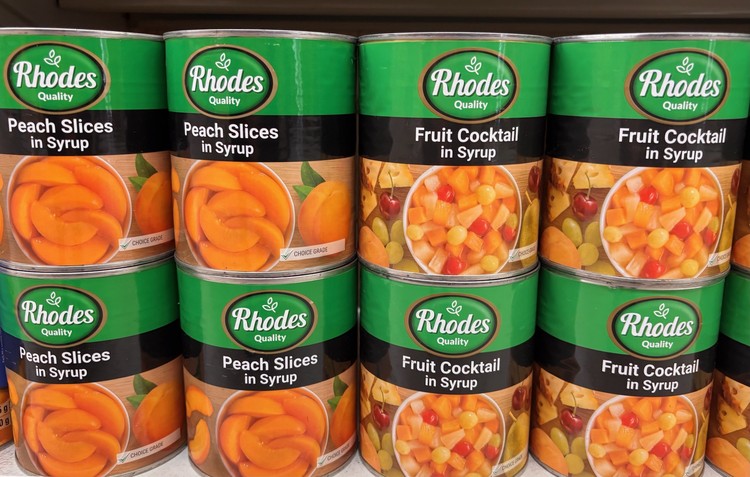
The announcement that Premier Foods is considering closing its fruit processing plant in Tulbagh has sent shockwaves through the agricultural community, raising alarms that go beyond mere job losses. With the potential shutdown occurring just months before the crucial harvesting season, farmers and producers are bracing themselves for a cascade of economic consequences that could alter the landscape of South Africa’s canning industry. This situation not only threatens hundreds of jobs but also jeopardizes the livelihood of numerous farmers who rely on the facility for processing their crops.
As Premier Foods embarks on a Section 189 consultation process regarding the proposed closure of its Fruit Products Western Cape (FPWC) plant, the reasons behind this drastic move are rooted in rising operational costs and a declining global demand for canned fruit. With approximately 90% of the factory’s output destined for export markets, the decision reflects a broader crisis impacting the industry. In a statement to GroundUp, Premier Foods indicated that it is actively engaging with various stakeholders, including farmers, governmental bodies, and the Competition Commission, to mitigate the adverse effects that this closure could unleash on employees and the local community.
The implications of this closure are profound. Jacques Jordaan, the chief executive of the Canning Fruit Producers’ Association (CFPA), has pointed out that the Tulbagh facility represents a significant portion of South Africa’s canning capabilities. With only two major canning plants in the country—the FPWC plant and Langeberg Foods in Ashton—eliminating the Tulbagh site could result in a drastic reduction of nearly 50% of the nation’s canning capacity. This scenario becomes even more troubling considering that the announcement comes on the cusp of the deciduous fruit harvesting season, set to kick off in November. Producers already find themselves burdened with substantial pre-harvest expenses related to pruning, fertilizing, and pest control.
A staggering 200 to 220 producers supply fruit specifically tailored for canning at the Tulbagh facility. Many of these farmers have invested in varieties that are not suited for the fresh export market, which requires longer shelf-life products. The potential loss of the canning plant means that these farmers will face the daunting task of reallocating their resources, potentially uprooting orchards and turning to alternative crops. Additionally, they would need to invest in new packhouses and distribution networks, further compounding the financial strain.
The CFPA has pointed out that producers operate under long-term supply agreements, which typically come with a two-year notice period. This stipulation is intended to provide adequate time for farmers to adapt to changes in processing capacity. However, recent communications from Premier Foods have left many producers feeling uncertain about their future. In a letter sent on July 29, the company assured producers that it would honor existing contracts by making outstanding payments for fruit supplied during the 2025/26 season. However, there was no commitment regarding future seasons, leading to discontent among farmers who feel that Premier Foods has a responsibility to uphold its contractual obligations.
The decision to close the Tulbagh plant is attributed to a confluence of factors, including global oversupply, increased tariffs from the United States, uncertainties surrounding the African Growth and Opportunity Act (AGOA), exchange-rate fluctuations, and consolidation within the canned fruit sector. The industry is already under strain, as evidenced by the closure of one of the United States’ major fruit canning operations, which highlights the challenges faced by producers worldwide.
Key takeaways from this unfolding crisis include the critical need for diversification among local producers, who may have to pivot their strategies to adapt to the changing market landscape. Additionally, the potential closure raises questions about the long-term viability of canned fruit production in South Africa, as the remaining canning facilities may not be able to absorb the lost capacity from Tulbagh.
For traders and investors, the situation presents a mixed bag of challenges and opportunities. While the immediate effects may be negative, with potential impacts on supply chains and pricing, there may also be room for investment in alternative agricultural practices and infrastructure. Those who can navigate these uncertainties may find opportunities in emerging markets or within fresh produce sectors.
In conclusion, the proposed closure of Premier Foods’ Tulbagh plant serves as a stark reminder of the fragility of agricultural industries in the face of shifting global demands and economic pressures. The repercussions will likely extend far beyond the immediate loss of jobs and processing capacity, affecting the livelihoods of countless farmers and the broader agricultural ecosystem. As stakeholders work together to navigate this crisis, the hope remains that viable solutions can be found to sustain both the industry and the communities that depend on it.