
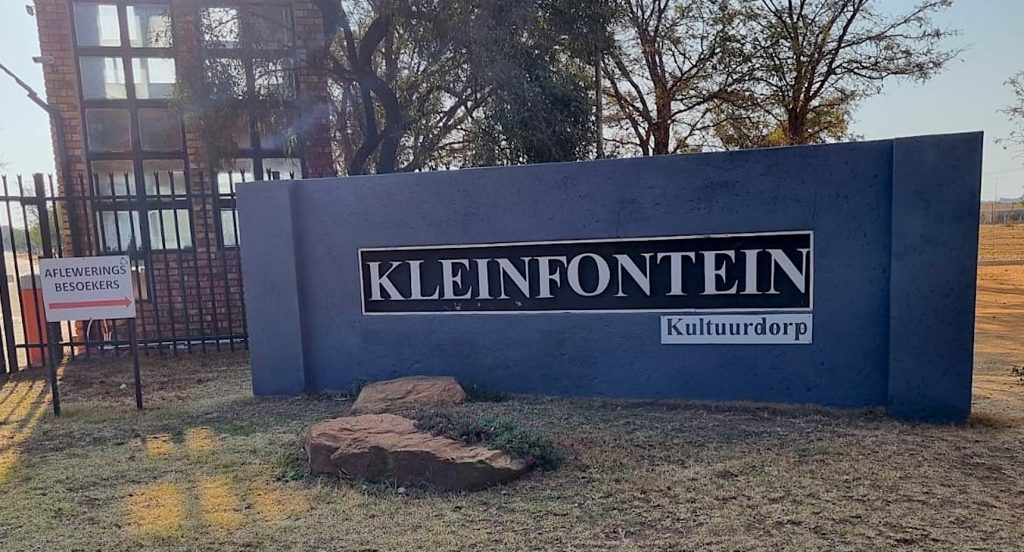
In recent years, the topic of unapproved property developments has gained considerable traction, particularly in South Africa, where the intricacies of land use and property rights are becoming increasingly complex. A noteworthy case that has emerged is that of Kleinfontein, an illegal Afrikaner settlement located just outside Pretoria. The settlement is now on the path toward formalization following a recent court ruling that has significant financial implications for its residents and potentially for property owners across the region.
Kleinfontein, which was established on a former farm, has long operated without the necessary approvals for zoning, subdivision, and township establishment. Despite its unapproved status, the settlement has flourished over the years, boasting approximately 600 houses, a school, an old-age home, a shopping center, and various recreational facilities. However, the lack of formalization has led to residents being subject to punitive property rates classified under “unpermitted use,” which are substantially higher than standard residential property rates.
The recent court ruling, sanctioned by Judge Brenda Neukircher, effectively relieves Kleinfontein from the burden of these exorbitant property rates, at least for the time being. This settlement also includes a retroactive reversal of property charges for the past two years, a move that has raised eyebrows among property owners in similar situations. Ben Espach, head of valuations at Rates Watch, expressed concern that this precedent could encourage other landowners facing “unpermitted use” classifications to seek similar relief, potentially overwhelming local authorities with claims.
The settlement process has not been without its controversies. The Kleinfontein Residents Association (KIV) has raised questions regarding the lack of transparency in how the settlement was reached. They argue that they were not adequately notified and had previously sought to join the litigation process. Such concerns highlight the complexities of property rights and stakeholder engagement in unapproved developments, where many individuals may feel sidelined by decisions made in judicial chambers.
For decades, the Tshwane metro council has turned a blind eye to Kleinfontein’s unapproved status, allowing this community to grow without the formalities typically required by law. This leniency has cost the metro council an estimated R3 billion annually in lost property rates, a staggering figure that raises questions about the long-term sustainability of such informal settlements. As of August 2024, a high court order was issued to compel the metro council to enforce property laws in Kleinfontein, aiming to expedite formalization and provide residents with greater security in their property rights.
One of the more critical issues surrounding this case is the reclassification of land. The metro council recently reclassified the land from agricultural to “unpermitted use.” This change resulted in property rates that are approximately 7.5 times higher than those for standard residential properties. Prior to this reclassification, Kleinfontein’s land was classified as agricultural, which allowed residents to benefit from lower rates. This sudden increase in financial liability has further exacerbated the residents’ plight, as many do not hold title deeds and operate under a share-block scheme instead.
The situation in Kleinfontein serves as a cautionary tale for both investors and traders operating within real estate markets. The complexities of property rights, especially in informal settlements, can lead to unforeseen financial liabilities and legal challenges. Investors must exercise due diligence when considering properties that lack formal approval, as the financial implications can be significant. Additionally, those involved in property management or real estate development should remain updated on local regulations and the status of developments to avoid potential pitfalls.
The Kleinfontein case underscores the importance of transparency, proper governance, and community engagement in the management of property rights. As the settlement moves closer to formalization, the outcomes will not only impact the residents of Kleinfontein but could also set a precedent for other unapproved developments across South Africa.
In conclusion, the Kleinfontein case illustrates the intricate relationship between property rights, local governance, and community dynamics. As the settlement seeks to formalize its status, the implications for property rates, legal precedents, and community engagement will be closely watched by stakeholders across the region. For investors and traders, this situation serves as a stark reminder of the importance of understanding the legal landscape of property development and the financial ramifications of operating in unapproved areas. As more settlements like Kleinfontein navigate the complexities of formalization, it is essential to keep an eye on the evolving regulatory environment and its impact on property markets.